

Introduction
Schizophrenia is a complex mental disorder that affects roughly 1% of the worldwide population. Recent research has revealed a surprising protective factor: people who are born blind (congenitally blind) appear to have a dramatically lower incidence of the disease. Understanding why this happens can shed light on both the neurobiology of schizophrenia and potential new prevention strategies.
What the Studies Show
Multiple epidemiological studies conducted in Sweden, Denmark, and the United States have consistently reported that individuals with congenital blindness develop schizophrenia at rates far below the general population. In a 2015 cohort study of over 1.2 million people, none of the 1,800 congenitally blind participants were diagnosed with schizophrenia, while the expected prevalence was about 12 cases.
Possible Explanations
1. Re‑wiring of the Brain’s Visual Cortex
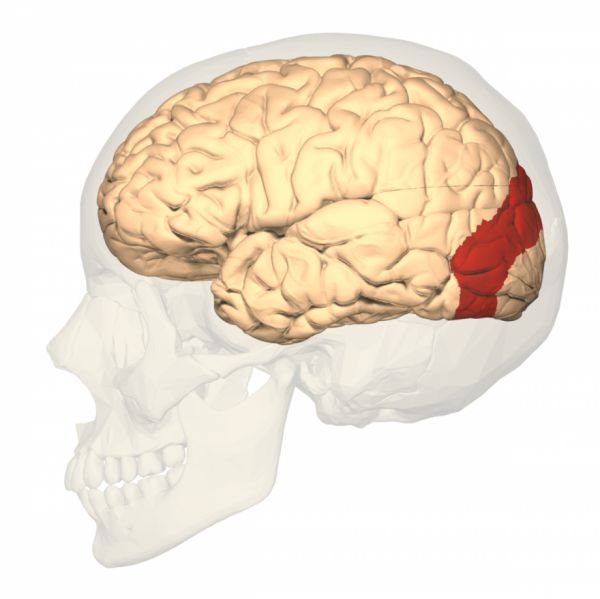
When the eyes never receive visual input, the visual cortex is repurposed for other functions such as auditory processing, language, and tactile perception. This cross‑modal plasticity may strengthen neural networks that counteract the dysregulated signaling associated with schizophrenia.
2. Reduced Sensory Overload
Schizophrenia is often linked to abnormal sensory filtering. Blind individuals do not experience visual hallucinations or visual distractors, which could lower the overall sensory load and prevent the brain from entering a hyper‑dopaminergic state that triggers psychotic episodes.
3. Differences in Developmental Pathways
The absence of visual experience alters the trajectory of brain development, especially in the thalamus and prefrontal cortex—areas heavily implicated in schizophrenia. These developmental changes may create a more resilient circuitry.
Implications for Treatment and Prevention
- Targeted Neurostimulation: Techniques that mimic the cross‑modal activation seen in blind individuals (e.g., transcranial magnetic stimulation of the visual cortex) are being explored as adjunct therapies for early‑stage psychosis.
- Sensory‑Filtering Training: Cognitive‑behavioral programs that teach patients to filter out irrelevant sensory information could replicate the protective effect.
- Genetic and Epigenetic Research: Studying the gene expression patterns in congenitally blind brains may uncover biomarkers for resilience against schizophrenia.
Key Takeaways for Readers
- Congenital blindness is associated with a near‑zero incidence of schizophrenia.
- The protective effect likely stems from brain re‑wiring, reduced sensory overload, and altered developmental pathways.
- Understanding these mechanisms opens new avenues for prevention and innovative therapies.
Conclusion
The unexpected link between congenital blindness and lower schizophrenia risk challenges traditional views of mental illness as purely genetic. By studying how the brain adapts when vision is absent, researchers hope to design interventions that harness the same protective mechanisms for the broader population.

Comments are closed, but trackbacks and pingbacks are open.