

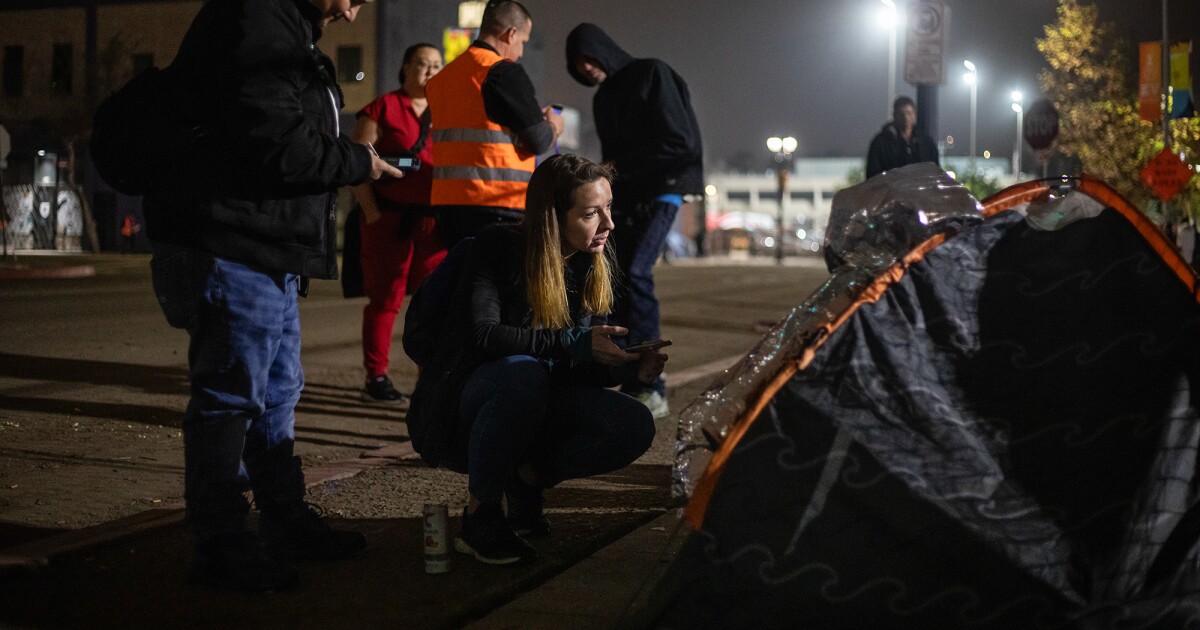
Wellness Wednesday: Connecting Homelessness, Mental Health, and Technology
Imagine waking up without a place to call home, a steady routine, or easy access to health services. For many, this reality intertwines daily with mental‑health challenges. On this Wellness Wednesday, we unpack how technology can bridge gaps, support recovery, and promote holistic wellness for people experiencing homelessness.
Why the Intersection Matters
- Higher prevalence of mental‑health disorders: Studies show up to 30% of homeless adults experience severe mental illness.
- Barriers to care: Lack of stable housing, transportation, and paperwork often block traditional treatment pathways.
- Technology as an equalizer: Mobile phones, telehealth, and digital platforms provide low‑cost, on‑the‑go access to resources.
Practical Tech Tools for Immediate Impact
Below are proven tools that organizations and individuals can use right now.
1. Mobile Health Apps
- Talkspace & BetterHelp: Offer affordable counseling via text or video – many providers waive fees for low‑income users.
- Moodfit & Daylio: Simple mood‑tracking apps that help users recognize patterns and share data with clinicians.
2. Tele‑medicine Platforms
Platforms like Amwell and Doctor on Demand partner with shelters to set up private “wellness pods” where residents can have virtual appointments without needing a personal device.
3. Resource‑Finding Services
- Google Fit’s “Find Help”: Shows nearby shelters, food banks, and free clinics based on GPS.
- Homeless Helper (iOS/Android): Curated list of local services, crisis hotlines, and legal aid.
How to Implement Tech Solutions in Shelters
- Assess Device Access: Conduct a quick inventory of phones, tablets, and Wi‑Fi availability.
- Partner with Local Clinics: Arrange scheduled tele‑health hours and provide private spaces.
- Train Staff & Peers: Offer short workshops on using mental‑health apps and navigating online appointment systems.
- Monitor & Adjust: Collect feedback every month to improve usability and address privacy concerns.
Success Stories Worth Emulating
San Francisco’s “WellTech” Initiative: By supplying 150 smartphones and free data plans, the program reduced emergency‑room visits for mental‑health crises by 22% within one year.
Boston’s “Digital Doorways” Project: Partnerships with tele‑psychiatry providers enabled 40% more residents to complete a full course of therapy compared to traditional walk‑in clinics.
Tips for Individuals Wanting to Help
- Donate old smartphones—ensure they are unlocked and have a data plan.
- Volunteer to lead a tech‑savvy workshop at a local shelter.
- Share reputable mental‑health apps on social media, tagging organizations that serve homeless populations.
Conclusion
Wellness isn’t a luxury; it’s a right that can flourish even without a roof when technology, compassion, and community collaborate. By leveraging digital tools, we can dismantle barriers, empower mental‑health recovery, and create a healthier future for everyone experiencing homelessness.

Comments are closed, but trackbacks and pingbacks are open.