
The Neuroscience of Leadership: Unlocking Brain‑Based Success

Why Neuroscience Meets Leadership
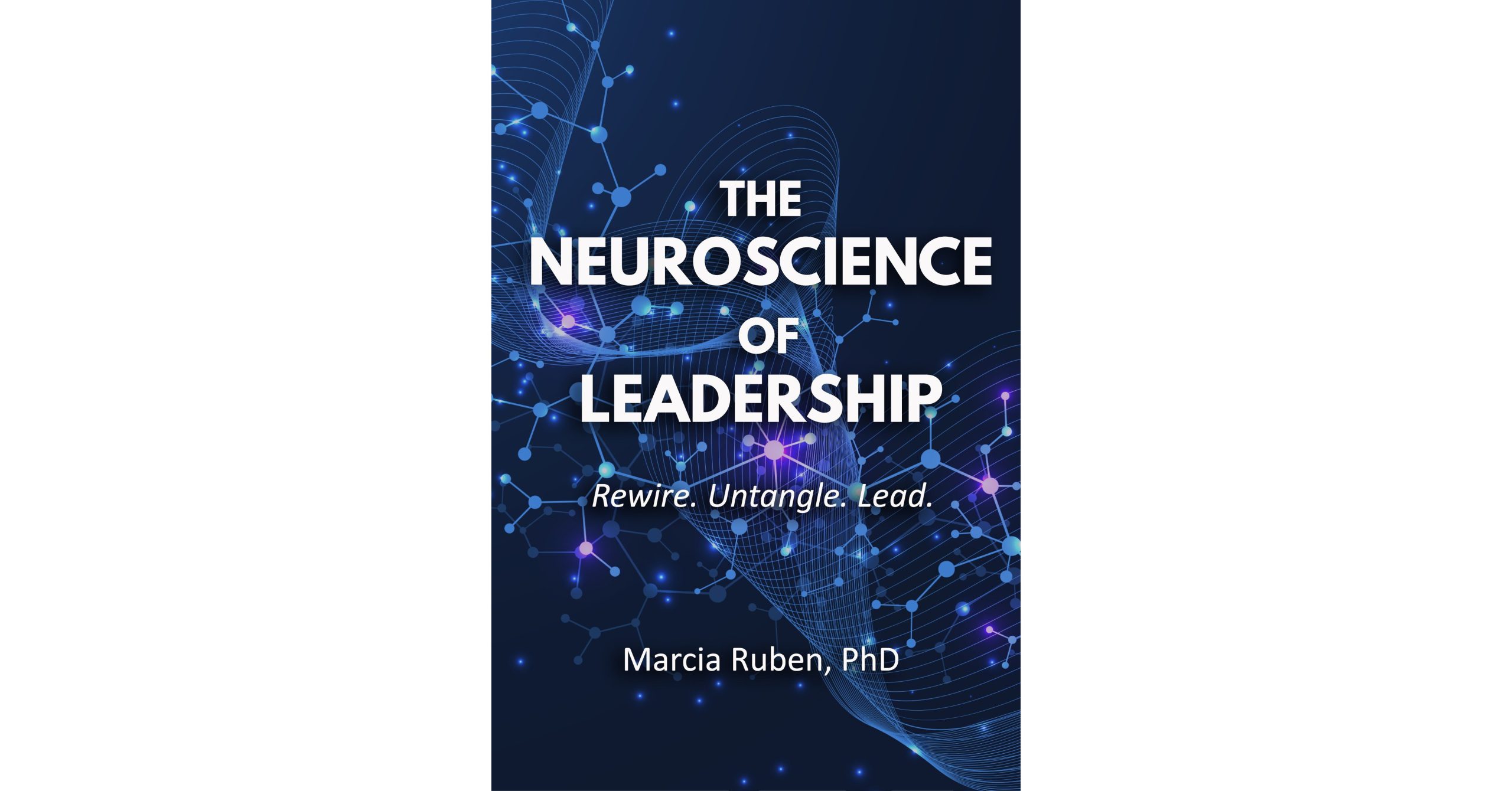
When most people think of leadership, images of inspirational speeches and bold decisions come to mind. Scientists are now revealing the brain’s backstage role behind those moments. The Neuroscience of Leadership, released by Fielding Press, dives into how neural circuits, neurotransmitters, and even genetics shape the way we lead. Understanding these mechanisms can turn abstract theory into practical tools for managers, entrepreneurs, and anyone looking to inspire.
Core Insights from the New Book
Author Dr. Maya Patel brings together cutting‑edge research with real-world case studies. Here are the key takeaways that will transform your leadership style:
- Emotion‑Regulation & Decision Making – The amygdala and prefrontal cortex interact to balance gut instincts with rational analysis. Techniques like mindful breathing can boost this connectivity, reducing impulsive errors.
- Mirror Neurons & Empathy – Leaders who actively listen activate mirror neuron pathways, fostering trust and team cohesion.
- Neuroplasticity in Development – Leadership traits can be honed. Structured reflection and deliberate practice scaffold the growth of executive functions.
- Reward System & Motivation – Dopamine release fuels engagement. Setting micro‑targets triggers the brain’s reward centers, sustaining momentum.
Practical Strategies Backed by Brain Science
1. Design “Brain‑Friendly” Meetings
- Start with a 2‑minute touch‑point to shift from reactive to integrative brain states.
- Use visual roadmaps – the dorsolateral prefrontal cortex processes schematics better than raw data.
- Interject short pauses; this gives the hippocampus time to consolidate new information.
2. Cultivate Emotional Intelligence Through Biofeedback
- Wearable devices that track heart‑rate variability can illustrate how stress levels affect decision quality.
- Practice deep‑breathing or progressive muscle relaxation during high‑pressure moments.
3. Leverage Micro‑Learning to Strengthen Neural Pathways
- Break complex concepts into 5‑minute “learning bursts.” The brain’s synaptic pruning will retain key points.
- Revisit material at increasing intervals – spaced repetition is a proven memory enhancer.
How Fielding Press Transforms Knowledge into Action
The publisher pairs each chapter with a downloadable worksheet, enabling leaders to map their own neural strengths and weaknesses. By the end of the book, readers can implement a “Brain‑Based Leadership Plan” tailored to their organizational culture.
Conclusion: Lead with the Brain in Mind
Leadership isn’t just a skill; it’s a biological phenomenon. The Neuroscience of Leadership equips managers with actionable insights grounded in science. By aligning strategies with how our brains actually work, you can enhance performance, nurture teams, and drive sustainable success.

Comments are closed, but trackbacks and pingbacks are open.