

What’s Happening? A Quick Overview
The United States and Iran are reportedly in talks for a short‑term agreement aimed at halting hostilities in the Middle East. At the same time, President Donald Trump delivered an unexpected, informal address from the Oval Office, a room noticeably filled with children. The two stories, though unrelated, highlight a day of surprising diplomatic and political twists.
Why a Short‑Term Deal Matters
Both Washington and Tehran have said a limited cease‑fire could buy time for broader negotiations. Key points include:
- Humanitarian relief: Reducing civilian casualties and allowing aid flow.
- Strategic pause: Giving both sides room to de‑escalate without losing leverage.
- Regional stability: Limiting spill‑over effects on neighboring countries.
Analysts warn that a temporary pact is only useful if it leads to a longer‑term framework. The primary challenge remains mutual distrust and ongoing proxy conflicts.
Key Factors Influencing the Talks
- Sanctions pressure: Iran seeks relief from U.S. sanctions tied to its nuclear program.
- U.S. domestic politics: The upcoming election cycle pushes Washington to show diplomatic progress.
- External actors: Russia, China, and European nations are positioning themselves as mediators.
Trump’s Unconventional Oval Office Appearance
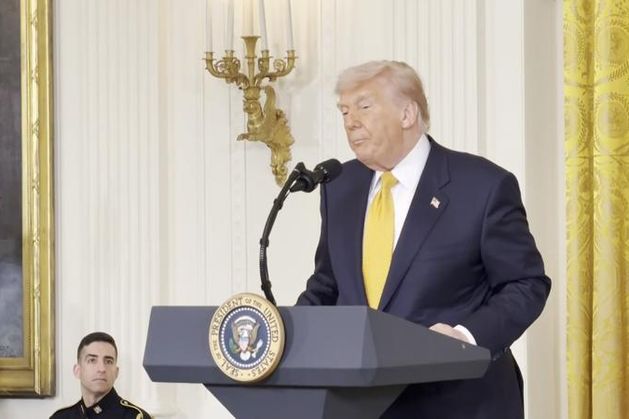
During a routine briefing, President Trump broke from his usual script. The Oval Office was filled with children—some from a local school, others likely part of a White House program. The scene felt more like a family gathering than a high‑stakes policy address.
While the president’s tone remained upbeat, he touched on several topics, including the ongoing US‑Iran talks, without delving into specifics. Critics argue the setting downplays the seriousness of diplomatic negotiations, while supporters claim it humanizes the presidency.
What This Means for Public Perception
- Visibility: The visual of children in the Oval Office creates a memorable image that can dominate headlines.
- Message framing: By focusing on optimism and family, the administration may aim to shift public attention from contentious foreign policy issues.
- Potential backlash: Opponents warn that mixing politics with staged domestic scenes could erode credibility.
Connecting the Dots: Diplomacy Meets Domestic Narrative
Although the two events—US‑Iran ceasefire talks and Trump’s children‑filled Oval Office—are unrelated, they illustrate a broader trend: leaders using personal storytelling to shape global narratives. For observers, the key takeaway is to watch how the short‑term deal evolves and whether the administration’s messaging strategy influences public support for diplomatic efforts.
What to Watch Next
Stay tuned for updates on:
- Official statements from the State Department and Iran’s foreign ministry.
- Any new sanctions relief or humanitarian aid packages tied to a cease‑fire.
- Further Oval Office appearances and how they align with policy announcements.
Understanding both the diplomatic moves and the domestic storytelling will give a clearer picture of the coming weeks.
Conclusion
The short‑term US‑Iran deal could be a stepping stone toward lasting peace, but its success hinges on trust and follow‑up negotiations. Meanwhile, Trump’s off‑script Oval Office moment reminds us that political theater and real‑world policy often intersect in unexpected ways. As the story develops, paying attention to both the facts on the ground and the narratives being sold will be crucial for anyone following international affairs.

Comments are closed, but trackbacks and pingbacks are open.