

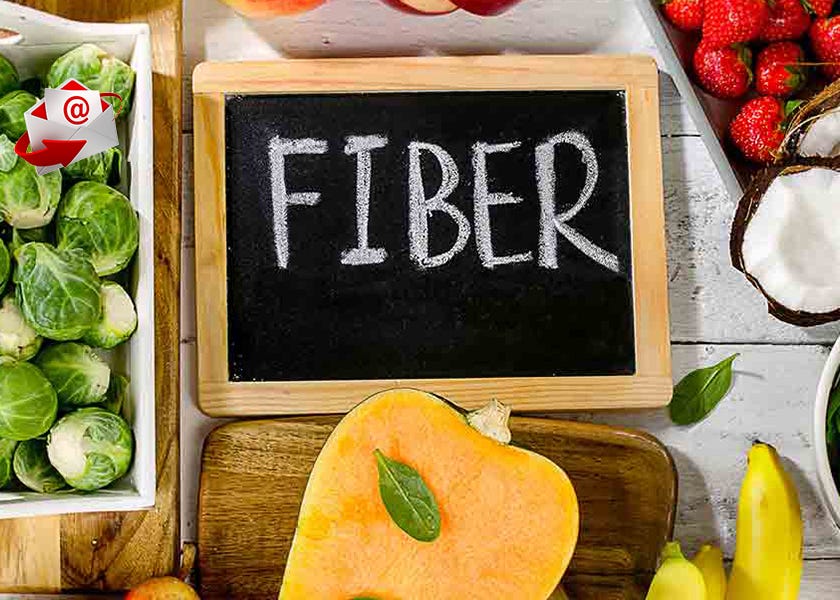
For years, protein has dominated the wellness conversation. From protein powders to high-protein diets, we’ve been told that protein is the ultimate nutrient for health, weight management, and muscle building. But there’s a quiet revolution happening in the nutrition world, and it’s centered on something far more ancient: fiber.
Why Fiber is Having Its Moment
The wellness industry is buzzing with a new realization—fiber might be the most underrated nutrient in our diets. While protein grabbed the spotlight, fiber has been working quietly in the background, delivering remarkable health benefits that are now capturing the attention of health experts, influencers, and everyday wellness enthusiasts alike.
Google searches for "high-fiber foods" and "fiber benefits" have skyrocketed by over 60% in the past year alone. Nutritionists are redesigning meal plans around fiber-first approaches, and food companies are racing to launch fiber-enriched products. It seems fiber is finally getting the recognition it deserves.
The Surprising Health Benefits of Fiber
Digestive Health Revolution
Fiber is essentially food for your gut bacteria. The beneficial bacteria in your microbiome ferment fiber, producing short-chain fatty acids that support colon health, reduce inflammation, and strengthen your immune system. A diet rich in fiber can help alleviate bloating, irregularity, and digestive discomfort.
Weight Management Made Easy
High-fiber foods are inherently more filling. They take longer to chew and digest, keeping you satisfied longer and reducing overall calorie intake. Studies show that people who consume adequate fiber naturally eat fewer calories without feeling deprived—making weight management feel effortless rather than restrictive.
Blood Sugar Stability
Soluble fiber slows down the absorption of sugar in your bloodstream, preventing the dramatic spikes and crashes that lead to energy slumps and cravings. For those managing blood sugar levels or looking to avoid the afternoon crash, fiber is your secret weapon.
Heart Health Protection
Research consistently shows that high-fiber diets are associated with lower LDL (bad) cholesterol levels and reduced risk of heart disease. Fiber binds to cholesterol particles in your digestive system and eliminates them before they can enter your bloodstream.
Longevity Boost
Perhaps most impressively, studies published in leading medical journals have found that people who consume the most fiber live longer. The protective effects against chronic diseases make fiber one of the simplest longevity strategies available.
Soluble vs. Insoluble Fiber: What’s the Difference?
Understanding the two main types of fiber helps you make better food choices:
- Soluble Fiber: Dissolves in water to form a gel-like substance. Found in oats, beans, apples, and citrus fruits. It helps lower cholesterol and stabilize blood sugar.
- Insoluble Fiber: Doesn’t dissolve and adds bulk to stool. Found in whole grains, nuts, seeds, and vegetables. It promotes regular bowel movements and digestive health.
The ideal diet includes both types for maximum health benefits.
How to Boost Your Fiber Intake
The recommended daily intake is 25-38 grams, but most people only get about 15 grams. Here are practical ways to close that gap:
- Start with breakfast: Switch to oatmeal, add berries, or top yogurt with seeds and nuts.
- Eat the rainbow: Fill half your plate with vegetables at every meal.
- Choose whole grains: Swap white bread and pasta for whole grain versions.
- Snack smart: Reach for raw vegetables, nuts, or fresh fruit instead of processed snacks.
- Add legumes: Include beans, lentils, or chickpeas in soups, salads, and main dishes.
- Don’t peel your produce: The skin of fruits and vegetables contains valuable fiber.
The Bottom Line
While protein will always be essential, fiber is finally getting its time in the wellness spotlight. The science is clear—adequate fiber intake transforms digestive health, supports weight management, stabilizes energy, protects your heart, and may even extend your lifespan.
The beauty of the fiber trend is its simplicity. You don’t need expensive supplements or complicated meal plans. Nature has already provided everything you need in whole fruits, vegetables, legumes, and whole grains.
As the wellness world continues to evolve, one thing is certain: fiber isn’t just a trend—it’s a return to nutritional wisdom that our ancestors understood instinctively. The question isn’t whether fiber is the new protein. It’s why it took us so long to notice.

Comments are closed, but trackbacks and pingbacks are open.