
Southern Republicans Press Ahead with Election‑Year House Redistricting Amid Protests

Introduction
As the 2024 midterm elections approach, Southern Republican leaders are accelerating efforts to redraw congressional districts. The push comes despite mounting protests, lawsuits, and accusations of partisan gerrymandering.
Why the Push Now?
Election‑year timing
Redistricting in an election year gives incumbents a strategic advantage. By reshaping district lines before voters head to the polls, parties can secure more seats and influence national policy.
Legal landscape
Recent court rulings, including the Supreme Court’s decision to limit federal intervention in state redistricting, have emboldened state legislatures to act swiftly. Southern states are leveraging this latitude to lock in favorable maps before any higher‑court review.
Key States Leading the Charge
- Georgia – The state legislature passed a new map that combines urban Democratic strongholds with surrounding Republican‑leaning suburbs.
- Alabama – A controversial plan reduces the number of majority‑Black districts, prompting civil‑rights groups to file a federal lawsuit.
- North Carolina – Lawmakers advanced a map that splits Raleigh’s growing suburbs, aiming to dilute progressive votes.
Public Response
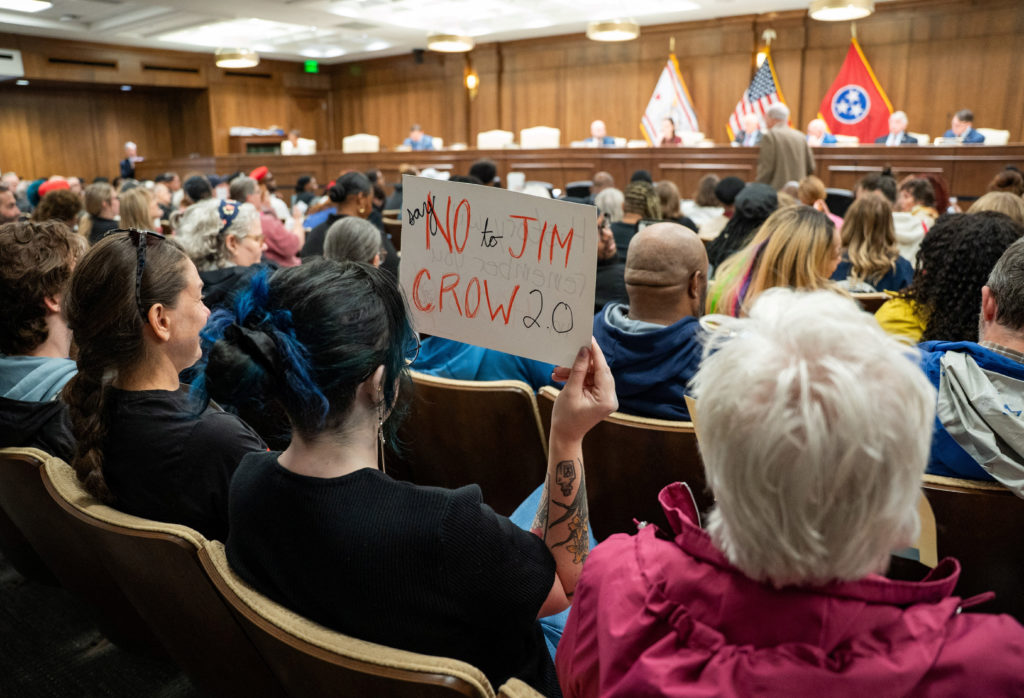
Protesters across the South have taken to the streets, arguing that last‑minute redistricting undermines democratic fairness. Demonstrations in Atlanta, Birmingham, and Charlotte have drawn thousands, with chants of “Fair maps now!” echoing through city halls.
Legal challenges
Organizations such as the NAACP Legal Defense Fund and the ACLU have filed multiple lawsuits, citing violations of the Voting Rights Act and constitutional protections. While some cases have been dismissed on procedural grounds, others remain pending, creating uncertainty for upcoming primaries.
Potential Impact on Voters
- Reduced minority representation – Fewer districts designed to elect Black or Hispanic candidates could diminish the political voice of these communities.
- Increased competition in swing districts – Some redrawn areas become more competitive, prompting tighter campaigns and higher voter engagement.
- Confusion over new boundaries – Voters may find their precincts changed, leading to mismatched polling places and lower turnout if not properly informed.
What Experts Predict
Political analysts warn that aggressive redistricting could backfire. “If voters perceive the process as overtly partisan, it can energize the opposition and drive turnout against incumbents,” says Dr. Laura Martinez, a senior fellow at the Center for Electoral Studies.
Conclusion
The Southern Republican push for election‑year redistricting underscores a growing trend of partisan map‑making. While the immediate goal is to secure electoral advantage, the long‑term consequences for voter confidence and representation remain uncertain. As lawsuits progress and public pressure mounts, the true shape of the 2024 House map—and its impact on American democracy—will unfold in the months ahead.

Comments are closed, but trackbacks and pingbacks are open.