

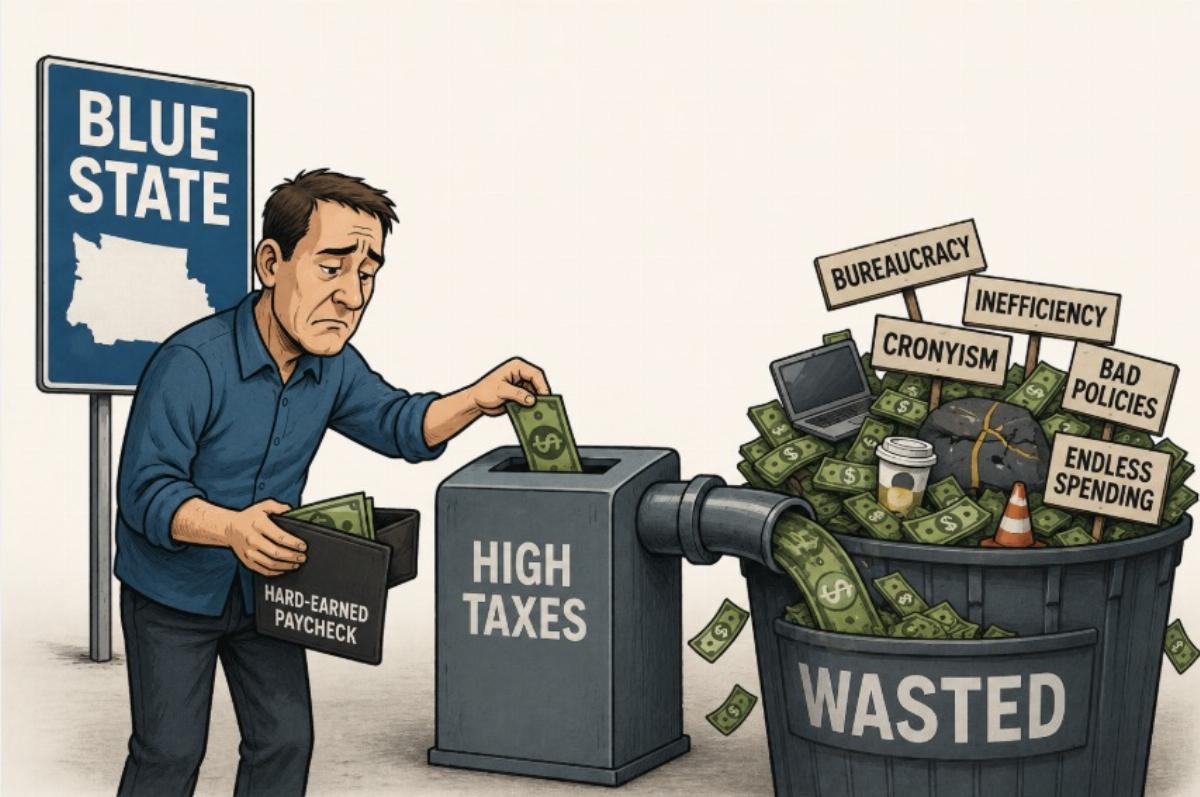
If you’ve checked your pay stub lately, you’ve probably noticed a big chunk of your hard-earned money going to federal taxes. But where is that money going? New data shows government spending in America has hit record highs, leaving many taxpayers wondering: is this level of spending sustainable?
How Much Is the US Government Really Spending?
In fiscal year 2024, the federal government is projected to spend over $6.1 trillion. To put that in perspective, that’s more than the entire GDP of Japan, the world’s fourth-largest economy.
Breaking Down the 2024 Federal Budget
- Mandatory spending (Social Security, Medicare, Medicaid): ~$3.6 trillion (59% of total spending)
- Discretionary spending (defense, education, infrastructure): ~$1.8 trillion (29.5% of total spending)
- Interest on the national debt: ~$0.7 trillion (11.5% of total spending)
Why Is Government Spending in America Spiraling?
Rising Mandatory Program Costs
Social Security and Medicare enrollment is growing as the Baby Boomer generation retires. These programs now cover 67 million and 65 million Americans respectively, with costs rising 6% year-over-year since 2020.
Interest on the National Debt Is Soaring
The national debt now tops $34 trillion. As the Federal Reserve raised interest rates to combat inflation, the cost to service that debt has more than doubled since 2020. Interest payments now exceed what the government spends on defense, education, and transportation combined.
Emergency Spending Becomes Permanent
Programs launched during the COVID-19 pandemic, like expanded unemployment benefits and student loan relief, were meant to be temporary. But many have been extended or made permanent, adding hundreds of billions to annual spending without offsetting cuts.
What Does Out-of-Control Spending Mean for You?
- Higher taxes: To cover deficits, the government may raise income, payroll, or corporate tax rates in coming years.
- Inflation: Excessive government spending pumps more money into the economy, driving up prices for groceries, gas, and housing.
- Reduced public services: As more money goes to debt interest and mandatory programs, less is available for infrastructure, education, and disaster relief.
- Burden on future generations: Today’s deficits will be paid by your children and grandchildren through higher taxes and lower economic growth.
Can We Fix America’s Spending Problem?
Bipartisan talks on fiscal reform have stalled for years, but experts agree three steps are critical:
- Reform mandatory programs: Adjust Social Security and Medicare eligibility ages, or means-test benefits for high earners.
- Cut wasteful discretionary spending: Audit federal agencies to eliminate duplicate programs and unnecessary contracts.
- Cap annual spending growth: Tie federal spending increases to GDP growth to prevent future budget bloat.
The Bottom Line
Government spending in America has reached a tipping point. Without urgent action, the fiscal crisis will only get worse, hitting taxpayers and future generations hardest. Staying informed and holding policymakers accountable is the first step to getting spending back under control.

Comments are closed, but trackbacks and pingbacks are open.