

Introduction
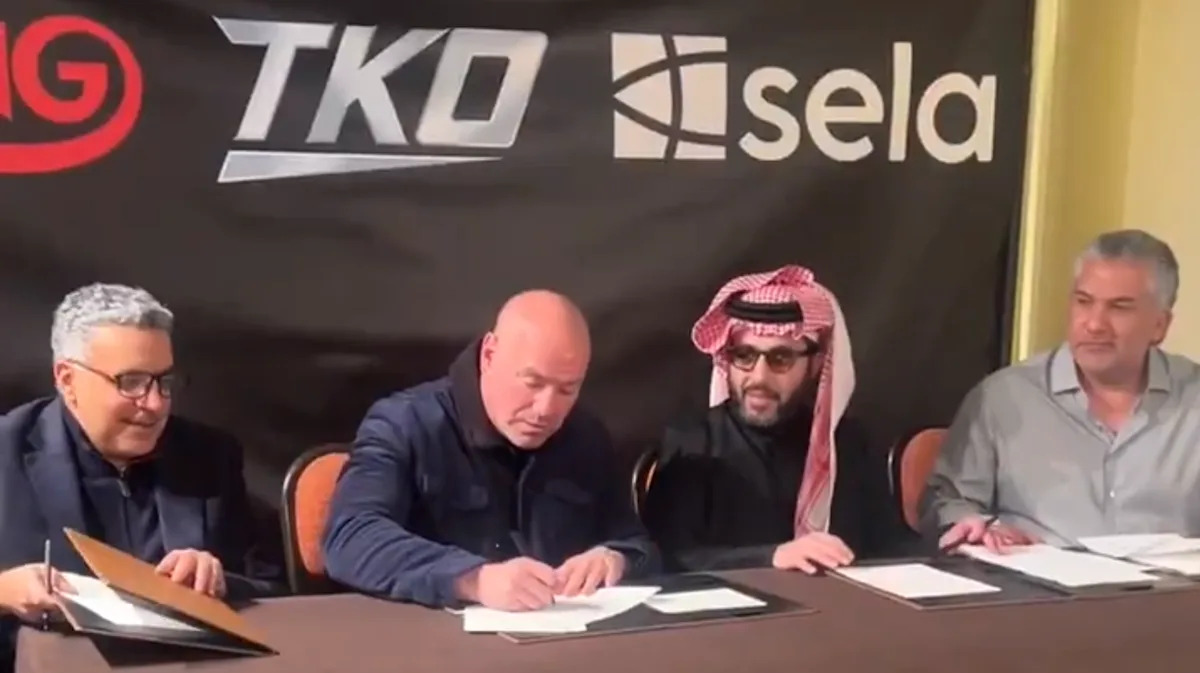
The recent decision by the Saudi‑backed LIV Golf to pull out of its partnership with TKO has sparked speculation about the future of Saudi investments in sports. Despite the setback, Saudi investors are signaling they will not divest from existing TKO collaborations. This article explains the strategic reasons behind that choice and what it means for the sports and entertainment landscape.
What the LIV Golf Pullout Means
LIV Golf’s exit from TKO was framed as a “strategic realignment.” While the announcement created headlines, the core financial arrangements between Saudi sovereign wealth funds and TKO remain intact. Understanding the distinction is key:
- Brand impact – The withdrawal affects public perception more than contractual obligations.
- Financial exposure – Most of the capital already deployed is tied up in long‑term assets such as stadiums, media rights, and talent contracts.
- Regulatory landscape – Saudi sovereign funds are subject to strict investment guidelines that prioritize diversification and long‑term value creation.
Strategic Reasons for Maintaining TKO Stakes
1. Diversification of Sports Portfolio
Saudi Arabia’s Vision 2030 emphasizes a broad-based sports ecosystem. TKO offers exposure to:
- Emerging e‑sports leagues.
- Live‑event infrastructure across the Middle East and Europe.
- Content production that feeds global streaming platforms.
Pulling out would undermine the diversification goal and leave a gap in the portfolio.
2. Long‑Term Revenue Potential
Even without LIV Golf, TKO projects a compound annual growth rate (CAGR) of 12% through 2030, driven by:
- Increasing sponsorship deals.
- Expansion into new markets like Southeast Asia.
- Monetization of digital fan experiences.
3. Geopolitical and Soft‑Power Objectives
Saudi investments in sport are as much about influence as profit. Maintaining a visible partnership with TKO signals commitment to global sports development, supporting diplomatic outreach and cultural exchange.
How TKO Is Adapting Post‑LIV
TKO is already pivoting to mitigate any perception loss:
- New talent pipelines – Partnerships with rising golf academies in Africa and Latin America.
- Enhanced fan engagement – Augmented reality (AR) experiences for live events.
- Strategic alliances – Joint ventures with European broadcasters to secure rights for marquee tournaments.
What This Means for Investors and Fans
For investors, the message is clear: Saudi capital will continue to back TKO’s growth trajectory, providing stability and confidence for secondary markets. For fans, the withdrawal does not equate to a loss of events; instead, TKO is likely to double down on delivering high‑quality experiences across a broader range of sports.
Conclusion
While the LIV Golf exit created a headline, it is far from a catalyst for Saudi divestment in TKO. Strategic diversification, long‑term revenue outlook, and soft‑power considerations all point to continued Saudi involvement. As TKO reshapes its portfolio, both investors and fans can expect a resilient, evolving sports ecosystem backed by one of the world’s most resourceful sovereign investors.

Comments are closed, but trackbacks and pingbacks are open.