

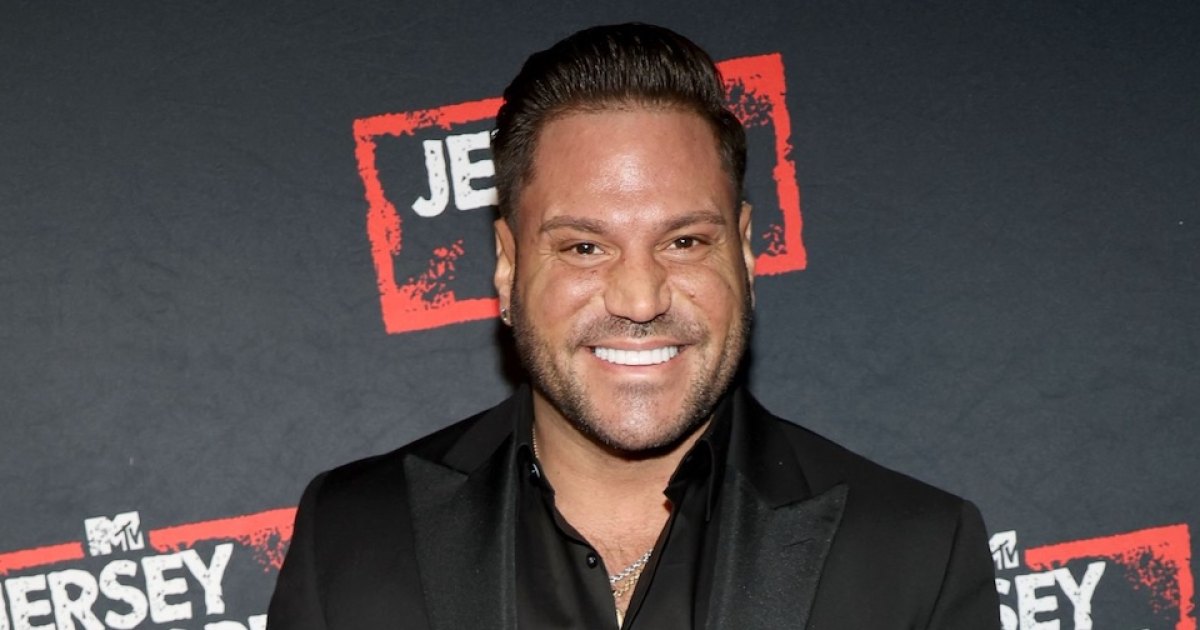
Jersey Shore alum Ronnie Ortiz-Magro is making headlines for more than his reality TV antics — the 38-year-old star recently revealed his private battle with three major mental health conditions: depression, anxiety, and bipolar disorder.
For years, Ronnie kept his struggles under wraps, even as fans speculated about his behavior on and off camera. Now, he’s using his platform to normalize conversations around mental health, especially for men and public figures.
What Ronnie Shared About His Mental Health Journey
Ronnie first broke his silence in a candid Instagram post shared with his 2.4 million followers, before opening up further in an exclusive interview with People magazine.
He revealed he first began experiencing symptoms of depression and anxiety in his early 20s, around the time Jersey Shore premiered in 2009. His bipolar disorder diagnosis came years later, after a series of personal and professional ups and downs.
His Diagnosis Breakdown
- Depression: Ronnie described experiencing persistent low mood, loss of interest in hobbies, and fatigue that lasted for weeks at a time.
- Anxiety: He noted frequent panic attacks, racing thoughts, and overwhelming worry that interfered with his daily life.
- Bipolar Disorder: Ronnie shared he experiences cycles of manic and depressive episodes, which he previously mistook for normal mood swings.
Why Ronnie Chose to Speak Out Now
Ronnie said the decision to go public came after hitting a personal low point earlier this year. As a father to 6-year-old daughter Ariana, he wanted to set a positive example about seeking help.
“I spent so many years thinking I had to be tough, that asking for help made me weak,” Ronnie told People. “I don’t want my daughter to ever feel like she has to hide how she’s feeling. That’s why I’m sharing this now.”
He also noted that the stigma around men’s mental health, especially in the public eye, kept him silent for too long. He hopes his story will encourage other men to open up about their own struggles.
How Ronnie Is Managing His Conditions
Ronnie stressed that managing his mental health is an ongoing process, not a one-time fix. His current routine includes:
- Weekly therapy sessions with a licensed psychologist
- Prescribed medication to balance his mood and reduce anxiety symptoms
- Regular exercise and a balanced diet to support overall wellness
- Stepping back from high-stress public commitments, including limited appearances on reality TV spinoffs
- Prioritizing quality time with his daughter and close family members
Ronnie’s Message to Fans Struggling With Mental Health
Ronnie’s core message to anyone facing similar struggles is simple: you do not have to suffer in silence.
“There is no shame in asking for help,” he said. “I wish I had reached out sooner instead of trying to handle everything on my own. If you’re feeling off, talk to someone — a friend, a doctor, a therapist. You deserve to feel better.”
He also urged fans to check in on loved ones who may be struggling, noting that mental health struggles are often invisible to others.
Breaking the Stigma Around Celebrity Mental Health
Ronnie joins a growing list of reality TV stars and celebrities opening up about their mental health, including former Jersey Shore co-stars like Nicole “Snooki” Polizzi, who has spoken about her own postpartum depression.
Experts say high-profile figures sharing their stories plays a key role in reducing stigma, especially for young fans who look up to them. “When celebrities normalize mental health conversations, it makes it easier for everyday people to do the same,” said Dr. Sarah Johnson, a licensed clinical psychologist. “Ronnie’s vulnerability is a powerful example of using fame for good.”
Final Thoughts
Ronnie Ortiz-Magro’s decision to share his battle with depression, anxiety, and bipolar disorder is a reminder that mental health struggles do not discriminate — they affect people of all ages, backgrounds, and public profiles.
If you or someone you know is struggling with mental health, reach out to the 988 Suicide & Crisis Lifeline (call or text 988 in the US) or visit MentalHealth.gov for resources. You are not alone.

Comments are closed, but trackbacks and pingbacks are open.