

Introduction
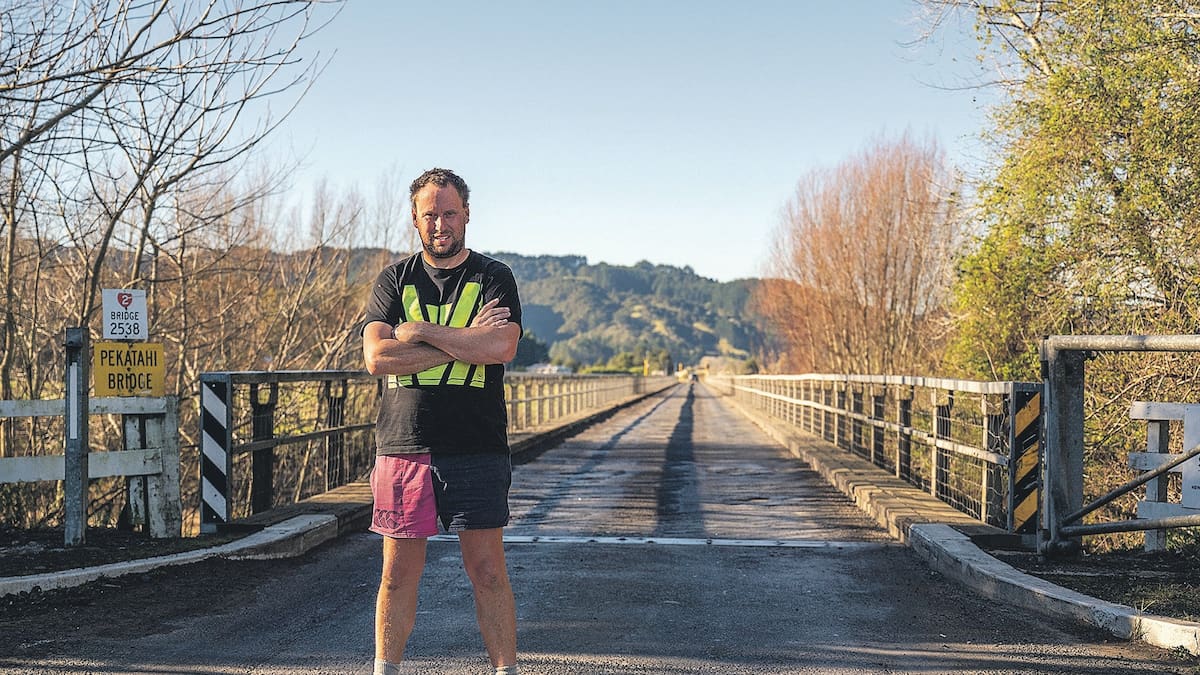
Heavy‑vehicle drivers crossing the Pekatahi Bridge have raised alarms about a deteriorating deck surface. The warning comes from a seasoned truckie who says the rough texture is not only damaging cargo but also endangering driver safety. Understanding the issue and its broader impact is essential for logistics operators, local authorities, and anyone relying on this vital route.
What’s Happening on the Pekatahi Bridge?
The bridge’s concrete deck has developed extensive potholes, uneven joints, and exposed reinforcement bars. For a truck driver, this translates into:
- Increased vibration and impact on cargo.
- Higher tyre wear and suspension stress.
- Reduced braking efficiency on wet or icy conditions.
These factors combine to raise the likelihood of freight damage and on‑road accidents.
Why the Deck Condition Matters
Freight Integrity
Goods such as fragile equipment, pallets of boxed items, and perishable products are highly susceptible to shock. A rough bridge deck can cause:
- Shifted pallets leading to broken seals.
- Vibration‑induced product spoilage.
- Increased insurance claims and cost overruns.
Driver Safety
When a truck’s wheels lose traction on an uneven surface, the driver’s reaction time is compromised. This is especially dangerous during:
- Nighttime or low‑visibility periods.
- Adverse weather such as rain or frost.
- Heavy loads that amplify braking distances.
Accidents on a bridge can cause severe traffic disruptions and put nearby pedestrians at risk.
Key Recommendations for Immediate Action
Both transport companies and local councils can take steps to mitigate the risk while a full resurfacing plan is developed.
- Pre‑Trip Inspections: Drivers should conduct a quick visual check of the deck from a distance before entering the bridge.
- Load Securing: Use additional straps or anti‑shift devices when transporting delicate cargo.
- Speed Reduction: Adopt a speed limit of 30 km/h on the bridge to limit impact forces.
- Reporting System: Implement a simple digital form for drivers to log deck defects in real time.
- Temporary Repairs: Apply quick‑setting epoxy or steel plates on the most dangerous potholes until a permanent fix is possible.
Long‑Term Solutions
For a sustainable fix, authorities should consider a full deck replacement or overlay. Key steps include:
- Commissioning a structural assessment to verify load‑bearing capacity.
- Securing funding through regional transport budgets or infrastructure grants.
- Scheduling works during off‑peak hours to minimise disruption.
- Installing a high‑traction surface coating to extend service life.
What Drivers Can Do Right Now
Even if a complete overhaul is months away, drivers can protect their freight and themselves by:
- Maintaining tyre pressure and tread depth for optimal grip.
- Using real‑time traffic apps that flag bridge conditions.
- Communicating any observed deck damage to fleet managers immediately.
Conclusion
The rough deck on the Pekatahi Bridge is more than an inconvenience—it’s a clear threat to freight integrity and road safety. By acknowledging the problem, taking swift short‑term actions, and pushing for a comprehensive repair, the transport community can safeguard both cargo and lives. Keep an eye on official updates, and always prioritise safety over speed when crossing this critical link.

Comments are closed, but trackbacks and pingbacks are open.