
Switzerland’s Neutrality Initiative: Mediates for Peace Worldwide, Sanctions “Kill Like Wars”

Introduction: A New Chapter in Global Diplomacy
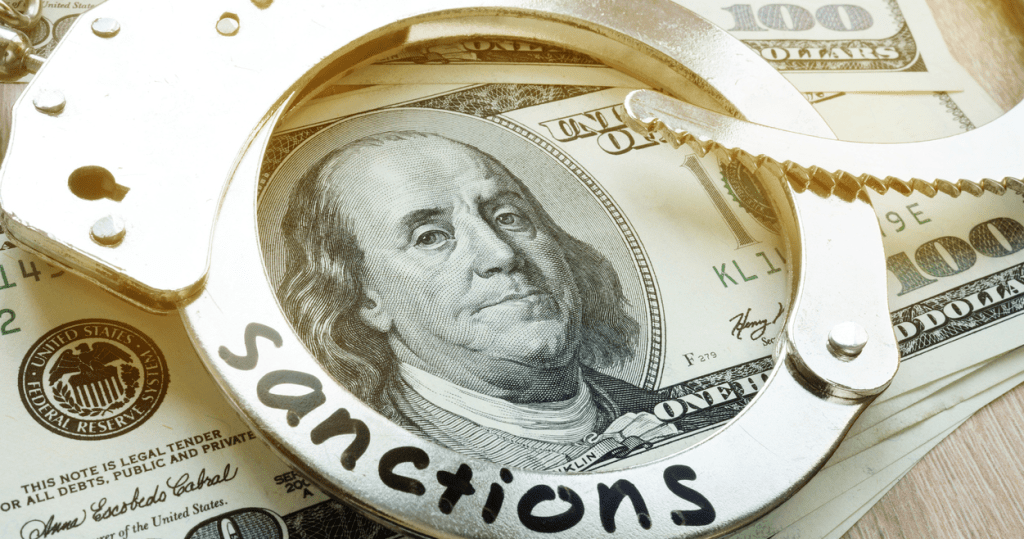
Switzerland has long been synonymous with neutrality, but the recently launched Neutrality Initiative takes that legacy a step further. By positioning itself as an active mediator in conflicts worldwide, the tiny Alpine nation aims to transform diplomatic dead‑ends into dialogue. At the same time, Swiss leaders warn that the growing reliance on economic sanctions is a form of warfare that “kills like wars.”
What Is the Neutrality Initiative?
The initiative, announced by the Federal Department of Foreign Affairs (FDFA) in March 2024, outlines three core pillars:
- Proactive Mediation: Deploying Swiss diplomatic teams to host peace talks, provide neutral venues, and facilitate back‑channel communications.
- Humanitarian Safeguards: Coordinating with NGOs to ensure that civilian populations are protected during negotiations.
- Sanction Scrutiny: Conducting independent impact assessments on sanctions to prevent unintended civilian suffering.
These pillars are designed to make neutrality a dynamic tool rather than a passive stance.
Why Now?
The backdrop is a world where traditional power blocs are fracturing, and conflicts in Ukraine, the Sahel, and the South China Sea are escalating. Many nations have turned to sanctions as a primary lever, but the collateral damage—economic collapse, humanitarian crises, and rising anti‑Western sentiment—has sparked a debate about their efficacy.
Switzerland’s Mediation Success Stories
Even before the formal initiative, Swiss diplomats have quietly brokered several breakthroughs:
- Colombian Peace Process (2022‑2023): Switzerland hosted secret talks that led to a ceasefire between the government and dissident guerrilla groups.
- East African Water Dispute (2023): Swiss experts facilitated a water‑sharing agreement among Kenya, Ethiopia, and Somalia, averting a potential armed clash.
- Myanmar Ceasefire Talks (2024): Neutral venues in Geneva allowed rebel leaders and the junta to explore a humanitarian pause.
These examples demonstrate that a neutral host can lower the stakes for each side, making compromise possible.
Sanctions: “Kill Like Wars” – The Swiss Perspective
Swiss economists and human‑rights scholars argue that sanctions often function as “economic warfare,” hitting ordinary citizens harder than the intended political elites. Key points raised:
- Inflation spikes in sanction‑hit countries, eroding purchasing power for the poorest.
- Supply‑chain disruptions that limit access to essential medicines and food.
- Strengthening of authoritarian narratives that blame external enemies for domestic hardship.
Switzerland’s Sanction Impact Assessment Unit will publish annual reports measuring these effects, pushing for targeted measures that spare civilians.
Case Study: Iran’s Banking Sanctions
Since 2018, sanctions on Iran’s banking sector have caused a 30% drop in real wages for the middle class, according to the International Labour Organization. While the Iranian government remains resilient, ordinary families face medical shortages and education setbacks—an outcome Switzerland likens to the indirect casualties of war.
How the Initiative Aligns With Global SEO Trends
For content creators and NGOs, the Neutrality Initiative offers fresh angles for SEO‑friendly storytelling:
- Keywords: Switzerland neutrality mediation, sanctions humanitarian impact, global peace talks 2024.
- Long‑tail queries such as “how does Switzerland mediate conflicts?” or “sanctions effect on civilians” are rising in search volume.
- Embedding data‑driven case studies improves authority and encourages backlinks from policy research sites.
Optimizing articles around these terms can capture traffic from readers seeking balanced perspectives on conflict resolution.
Practical Steps for Readers and Organizations
If you’re a journalist, activist, or policy analyst, here’s how to leverage the initiative:
- Monitor the FDFA’s official portal for upcoming mediation opportunities.
- Use the published sanction impact reports to develop evidence‑based advocacy pieces.
- Partner with Swiss NGOs like Swisspeace to co‑author research that highlights civilian costs of sanctions.
These actions amplify the initiative’s message and ensure that peace‑building narratives reach a broader audience.
Conclusion: From Passive Neutrality to active Peacecraft
Switzerland’s Neutrality Initiative reframes a historic policy into a forward‑looking peace engine. By mediating disputes and scrutinizing sanctions, the Alpine state aims to prevent conflicts from spiraling into full‑scale wars—both on the battlefield and in the economy. For readers, the initiative offers a compelling story of how small nations can punch above their weight, providing both a template for diplomatic innovation and a cautionary tale about the hidden toll of sanctions.
Stay informed, share the findings, and consider how neutrality can become a catalyst for global stability.

Comments are closed, but trackbacks and pingbacks are open.