
Fear vs Facts: Why Nuclear Power’s Revival Is Crucial for a Cleaner, Secure Energy Future

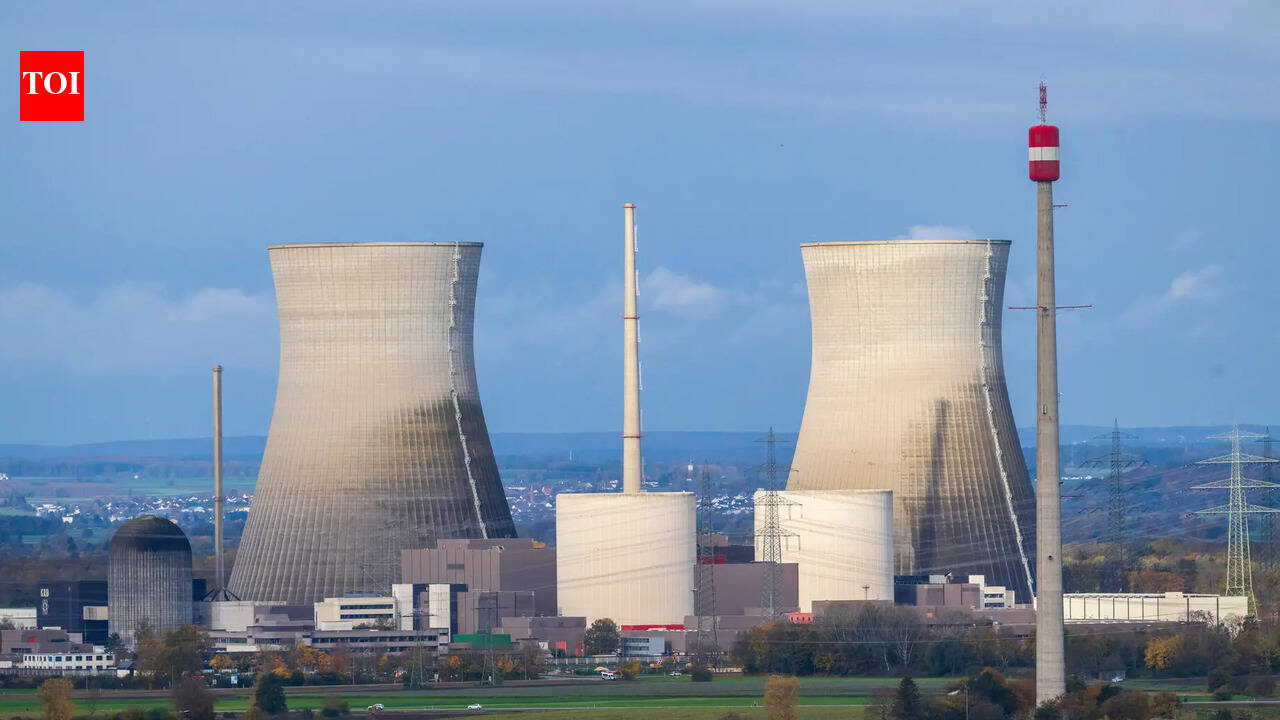
Fear vs Facts: Why Nuclear Power’s Revival Is Crucial for a Cleaner, Secure Energy Future
When most people think of nuclear energy, images of Chernobyl or Fukushima dominate the conversation. Yet, the same atomic reactions that caused those tragedies are now the basis of a scientifically proven, low‑carbon power source that could keep the lights on while slashing greenhouse‑gas emissions. Let’s separate myth from reality and see why a cautious, technically sound nuclear renaissance is not just possible—it’s essential.
How Nuclear Power Works: The Basics
At its core, nuclear power plants split heavy atoms—most commonly uranium‑235—into two lighter atoms during a process called fission. The released neutrons and kinetic energy heat a coolant, which turns water into steam and drives a turbine to generate electricity. Key points:
- Zero Carbon Emissions at the Source – once operational, a nuclear plant emits virtually no CO2.
– nuclear stations run 90%+ of the time, far outpacing intermittent renewables. – fuel is cheap and plant life stretches 60+ years.
Common Misconceptions
1. Nuclear Is “Unnecessary” Because Renewables Exist
Renewable sources like wind and solar are vital, but their output depends on weather. A nuclear plant provides a steady baseline that fills gaps when sunlight or wind fails.
2. Safety Concerns Are Outdated
Modern designs—Generation III+ and beyond—incorporate passive safety systems that shut down reactors automatically without manual intervention. The likelihood of a catastrophic accident is now less than 1 in a million years for a single plant.
3. Radioactive Waste Is a Growing Problem
While nuclear waste does exist, it’s highly manageable. Current storage solutions, such as deep geological repositories, keep waste sealed for millennia, safe from human error.
The Environmental Edge
Replacing coal, oil, and natural gas with nuclear power could reduce global CO2 emissions by an estimated 2.5 Gt per year—equivalent to removing 400 million cars from the road. That’s a carbon payoff larger than the entire aviation sector, according to the International Energy Agency.
Economic & Energy Security Benefits
- Stable Prices – nuclear fuel prices are predictable, protecting against volatile oil markets.
- Job Creation – building a new plant creates 3,000–4,000 jobs per site, plus long‑term maintenance roles.
- Energy Independence – diverse supply mix reduces reliance on imported fossil fuels.
Case Studies: Where Nuclear Isn’t a Myth
- France – 70% of electricity from nuclear, one of the world’s lowest CO2 footprints.
- Japan – post‑Fukushima, new SMRs (small modular reactors) are slated to re‑introduce reliable baseload power.
- United States – South Carolina’s “Vero Beach” project is testing next‑gen reactors that could be life‑time instead of lifetime.
What Comes Next?
- Invest in Research – support Generation IV reactors and thorium fuel cycles.
- Streamline Regulation – adopt risk‑informed licensing that speeds deployment without compromising safety.
- Public Engagement – transparent communication about safety protocols and waste handling.
Conclusion
Fear fuels controversy, but facts demonstrate that nuclear energy, when paired with stringent safety, public oversight, and advanced design, is a powerful ally in the fight against climate change. Embracing a measured nuclear revival can provide the clean, reliable power profile that renewable sources alone cannot deliver.

Comments are closed, but trackbacks and pingbacks are open.