

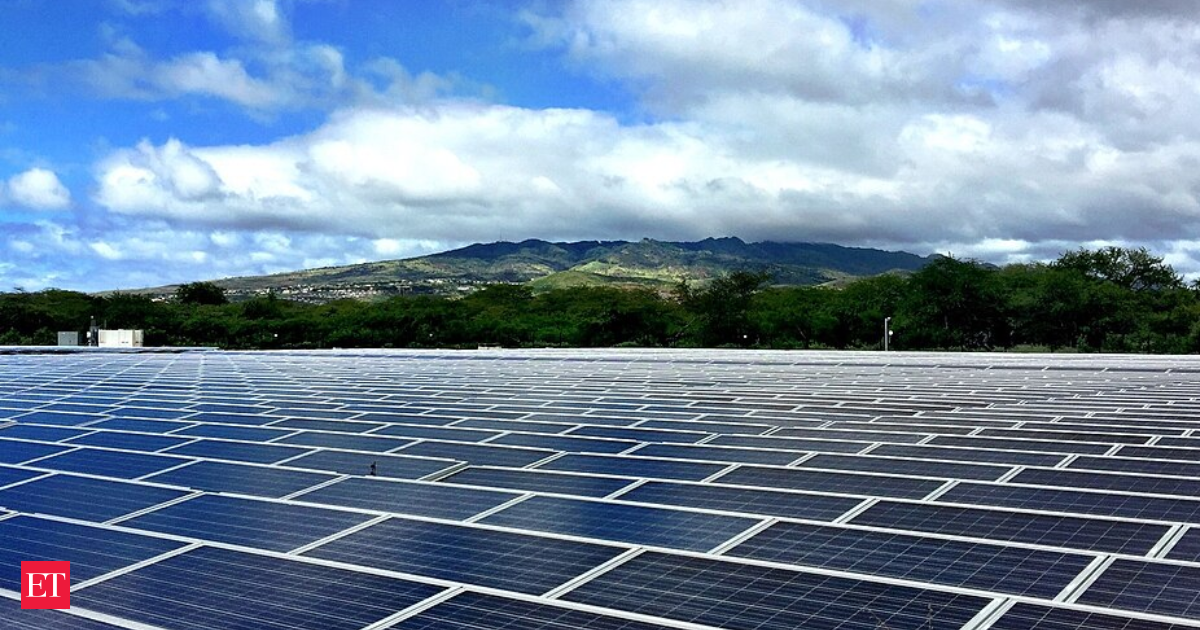
Solar farms are often hailed as a win for the planet — but new research suggests they may be creating unexpected headaches for local wildlife. Scientists across three continents have raised alarms over erratic animal behavior near solar installations, with some species being "led off course" from critical migration routes and feeding grounds.
What Strange Behaviors Are Scientists Seeing?
Birds and Insect Disruptions
Migratory birds are among the hardest hit. Researchers in California’s Central Valley found that 40% of waterfowl near solar farms veered off their traditional flyways, often circling panels for hours instead of continuing their journeys. "They’re treating the reflective panels like open water," says Dr. Elena Marquez, lead author of a 2024 study on wildlife behavior around solar farms. "It’s leading them off course, wasting critical energy reserves during migration."
Insect populations are also shifting: beekeepers near solar farms in Germany report 25% lower pollination rates in adjacent crops, as bees are drawn to the glare of panels instead of flowering plants.
Terrestrial Wildlife Shifts
Land-based animals are also showing unusual patterns. A 2023 study in Spain found that European rabbits avoided grazing within 500 meters of solar panels, while lizards were 3x more likely to be found basking on panel edges than natural rock formations. "We’re seeing habitat fragmentation on a scale we didn’t predict," says wildlife biologist Mark O’Connell. "Small mammals are being cut off from water sources, and predators are struggling to hunt in the altered landscape."
Why Are Solar Farms Disrupting Wildlife?
Experts point to three main drivers of these behavioral shifts in solar farm wildlife:
- Reflectivity and glare: Solar panels reflect light in ways that mimic water, open sky, or prey, confusing animals’ spatial awareness.
- Habitat fragmentation: Large solar arrays break up continuous wildlife corridors, forcing animals to detour long distances or abandon traditional routes.
- Microclimate changes: Panels create cooler, shadier areas beneath them, altering vegetation growth and insect populations that wildlife rely on for food.
Are All Solar Farms Equally Harmful?
Not all installations have the same impact. Smaller, community-scale solar farms with native vegetation planted between panels show far fewer behavioral disruptions. "Agrivoltaics — where crops or pollinator habitats are grown under panels — can actually benefit some species," says Dr. Marquez. "It’s all about how the farm is designed and managed. Proper planning can turn a solar energy wildlife risk into a net benefit."
What Can We Do to Fix This?
Scientists are already testing low-cost solutions to reduce solar farm wildlife impact:
- Anti-glare coatings: Matte finishes on panels reduce reflectivity that confuses birds and insects.
- Wildlife corridors: Leaving gaps between panel rows and planting native vegetation reconnects fragmented habitats.
- Smart lighting: Motion-activated, warm-toned lights reduce disruption to nocturnal animals.
- Monitoring systems: AI-powered cameras track wildlife activity, letting operators adjust farm operations in real time.
Key Takeaways for Clean Energy Advocates
While these findings are concerning, experts stress that solar energy remains a critical tool for reducing greenhouse gas emissions. The goal is not to halt solar expansion, but to make it more wildlife-friendly:
- Choose sites that avoid critical migration corridors and sensitive habitats.
- Prioritize dual-use designs like agrivoltaics over single-use solar arrays.
- Partner with local wildlife agencies during the planning phase.
Conclusion
Solar energy is key to a low-carbon future — but these new warnings about wildlife behavior around solar farms show we must balance climate goals with ecosystem health. By adopting smarter design practices, we can protect both the planet and the wildlife that shares it. As Dr. Marquez notes: "We don’t have to choose between clean energy and thriving ecosystems — we just have to build with both in mind."

Comments are closed, but trackbacks and pingbacks are open.