

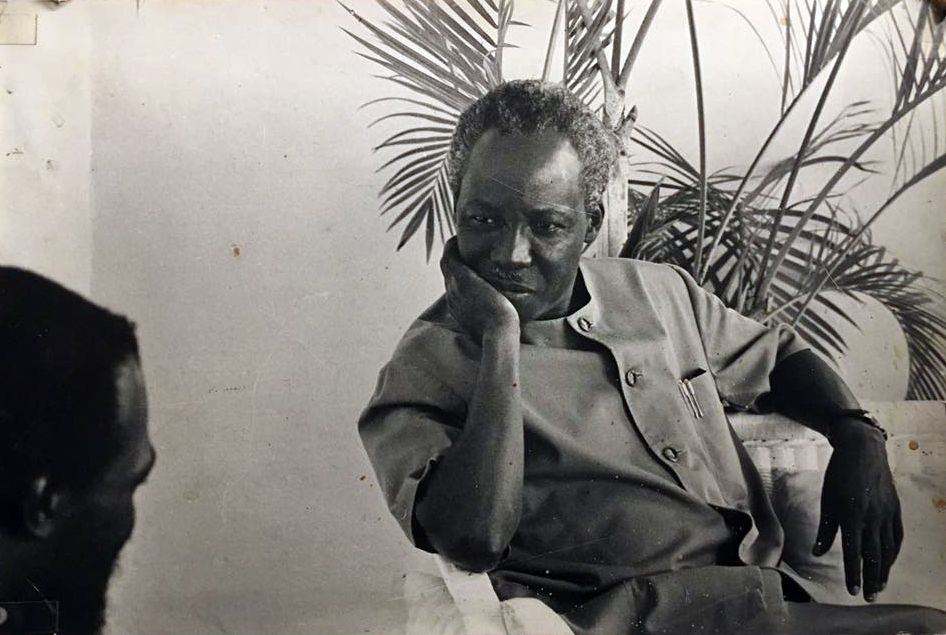
The phrase "Mwalimu" has long carried profound meaning in Tanzania and across East Africa. Translated from Swahili as "teacher," this title is most famously associated with Julius Nyerere, Tanzania’s founding father who led the nation to independence in 1961. Now, discussions about the return of Mwalimu are capturing attention across the region, sparking conversations about leadership, education, and the enduring legacy of one of Africa’s most influential figures.
Who Was Mwalimu?
Julius Nyerere earned the moniker "Mwalimu" long before becoming Tanzania’s first president. As a trained teacher who worked in schools before entering politics, Nyerere was known for his pedagogical approach to governance. He believed in teaching his people about self-reliance, unity, and social justice.
His philosophy of Ujamaa (African socialism) and his commitment to education for all left an indelible mark on Tanzania. Even decades after his passing in 1999, Nyerere remains revered as one of Africa’s most principled leaders.
The Significance of Mwalimu’s Return
In recent times, the phrase "the return of Mwalimu" has taken on new meaning in Tanzanian politics. Political leaders and commentators have invoked Nyerere’s legacy to critique current governance or to champion a return to his ideals of servant leadership, integrity, and commitment to the common good.
This resurgence reflects growing public sentiment for:
- Accountable leadership – Nyerere was known for his humility and connection with ordinary citizens
- Education prioritization – His belief that education was the key to national development
- Pan-African unity – His commitment to African solidarity and independence movements
- Economic self-reliance – His emphasis on domestic solutions to national challenges
What This Means for Modern Tanzania
The return of Mwalimu discourse represents more than nostalgia. It serves as a benchmark for evaluating current leadership and a rallying cry for those seeking political change. Young Tanzanians, many of whom were born after Nyerere’s death, are increasingly engaging with his writings and speeches.
Social media platforms have seen a resurgence of Nyerere quotes and discussions about his policies. Political rallies often feature references to his legacy, with speakers invoking his name to lend credibility to their messages or to contrast their vision with past achievements.
Lessons from the Mwalimu Legacy
Regardless of one’s political persuasion, Julius Nyerere’s legacy offers valuable lessons for today’s leaders:
- Lead with integrity – Nyerere was known for his honesty and transparency
- Invest in people – Education and healthcare were priorities under his leadership
- Stay connected – He maintained direct contact with ordinary citizens
- Think long-term – His policies focused on sustainable development
Conclusion
The return of Mwalimu in Tanzanian discourse signifies a nation reflecting on its roots while seeking direction for the future. Whether interpreted as a political strategy or genuine yearning for past ideals, the invocation of Nyerere’s legacy underscores the enduring impact of principled leadership.
As Tanzania navigates contemporary challenges, the spirit of Mwalimu continues to inspire debates about what kind of nation Tanzanians want to build. The real measure of his return will be whether current and future leaders embrace the values that made him beloved – service, integrity, and commitment to the people.

Comments are closed, but trackbacks and pingbacks are open.