

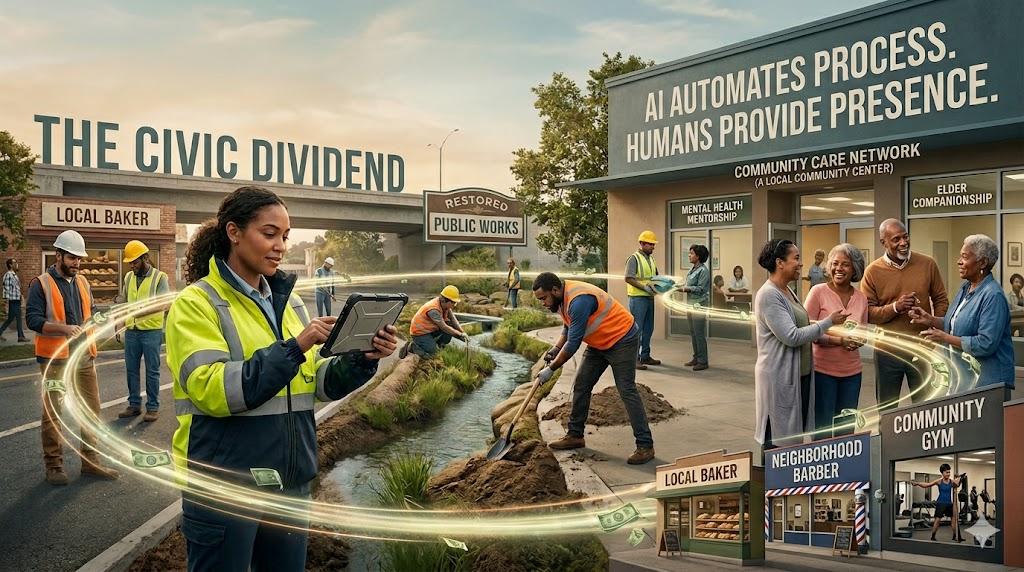
What Is the AI New Deal?
The AI New Deal is a government‑driven framework that combines massive investment, robust regulation, and ethical standards to accelerate artificial intelligence development while protecting public interests. Think of it as a modern New Deal for the digital age—aimed at boosting economic growth, creating jobs, and ensuring AI benefits everyone.
Key Pillars of the AI New Deal
1. Strategic Funding and Incentives
- Federal Grants: Billions allocated for AI research at universities and public labs.
- Tax Credits: Incentives for companies that adopt responsible AI solutions.
- Startup Accelerators: Public‑private partnerships to fast‑track innovative AI startups.
2. Ethical Guidelines and Governance
To prevent misuse, the AI New Deal enforces a set of ethical principles:
- Transparency – algorithms must be explainable.
- Fairness – bias detection and mitigation are mandatory.
- Privacy – strict data‑handling standards protect users.
- Accountability – clear liability for AI‑driven decisions.
3. Workforce Development
Preparing talent is central to the plan:
- National AI curriculum in K‑12 and community colleges.
- Reskilling programs for displaced workers.
- Internship pipelines with industry leaders.
4. Infrastructure and Data Access
Government investment is building:
- High‑performance computing clusters accessible to researchers.
- Secure, interoperable data repositories for public‑good projects.
- Broadband expansion to ensure rural AI adoption.
How the AI New Deal Impacts Businesses
For companies, the AI New Deal translates into concrete opportunities and new compliance requirements:
- Access to Funding: Eligibility for grants can offset R&D costs.
- Competitive Edge: Early adopters of ethical AI gain consumer trust.
- Regulatory Alignment: Understanding upcoming standards avoids costly retrofits.
Smaller firms can partner with university labs to prototype AI models, while larger enterprises can leverage tax credits to scale responsible AI across their operations.
Challenges and Criticisms
Despite its ambition, the AI New Deal faces hurdles:
- Funding Gaps: Budget appropriations can lag behind rapid AI advancement.
- Standardization: Aligning global AI regulations remains complex.
- Implementation Speed: Bureaucratic processes may slow down innovation.
Critics argue that without clear enforcement mechanisms, ethical guidelines could become mere check‑boxes.
Practical Steps for Readers
If you’re a beginner or intermediate tech professional, here’s how to get involved:
- Follow the NIST AI framework for emerging best practices.
- Enroll in free AI courses offered through the edX AI MicroMasters program.
- Apply for local AI grant programs listed on Grants.gov.
- Join industry groups such as AAAI to stay updated on policy changes.
Conclusion
The AI New Deal is poised to reshape the technology landscape by marrying investment with responsibility. For businesses, it offers a roadmap to sustainable AI growth; for society, it promises a future where AI serves the public good. By staying informed and engaging with available resources, you can turn this national initiative into a personal advantage.

Comments are closed, but trackbacks and pingbacks are open.