

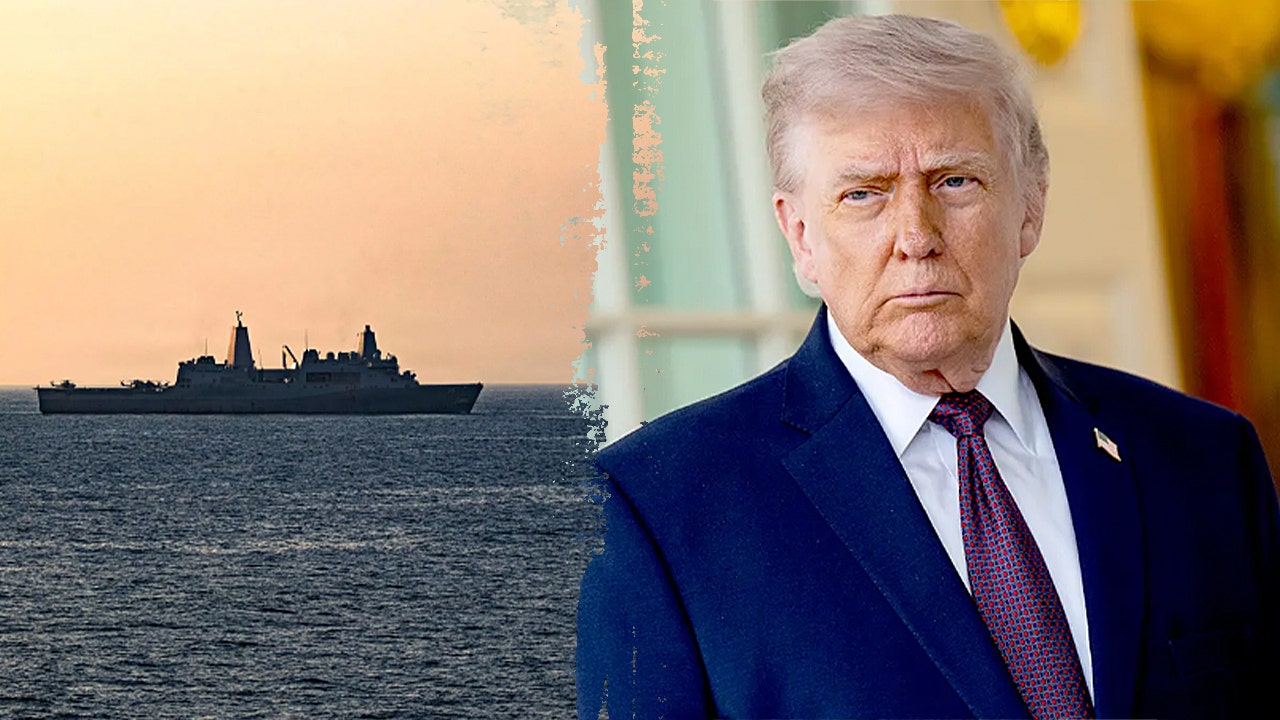
Trump Launches ‘Project Freedom’ at Strategic Hormuz Strait
In a bold geopolitical move, the Trump administration has unveiled "Project Freedom," a new initiative focused on the Hormuz Strait—one of the world’s most strategically vital waterways. The announcement comes as Iran has issued stark warnings of potential attacks, heightening tensions in the already volatile Middle East region.
The Hormuz Strait: A Critical Global Chokepoint
The Hormuz Strait, located between Oman and Iran, is approximately 21 miles wide at its narrowest point. This narrow waterway serves as the primary route for oil tankers traveling from Persian Gulf producers to global markets. Roughly 20% of the world’s oil supply passes through this critical chokepoint daily, making it indispensable to the global economy.
Its strategic importance cannot be overstated. Any disruption to shipping through the Hormuz Strait would send shockwaves through energy markets worldwide, potentially triggering economic turmoil far beyond the Middle East.
What Is Project Freedom?
Project Freedom represents a comprehensive strategy to ensure freedom of navigation through the Hormuz Strait. The initiative includes enhanced military presence, increased coordination with allied nations, and robust diplomatic efforts to counter Iranian threats.
Key components of the initiative include:
- Military Enhancement: Deployment of additional naval assets to patrol the strait and protect commercial vessels
- Allied Coordination: Strengthening partnerships with Gulf states and other nations dependent on oil shipments through the waterway
- Deterrence Measures: Clear messaging to Iran that any attempt to disrupt maritime traffic will be met with decisive response
- Economic Safeguards: Working with energy markets to mitigate potential supply disruptions
Iran’s Warning: Escalating Tensions
Iran has responded to Project Freedom with sharp criticism and explicit warnings of potential attacks. Iranian officials have characterized the initiative as a provocation and have threatened retaliatory measures.
The Iranian government’s stance reflects longstanding grievances regarding U.S. presence in the Persian Gulf region. Tehran has historically threatened to close or restrict the strait during periods of heightened tension with Western nations.
These warnings have raised concerns among energy analysts and international policymakers. The prospect of military confrontation in such a strategically crucial location could have far-reaching consequences for global energy security.
Geopolitical Implications
The confrontation over the Hormuz Strait represents a significant escalation in the ongoing tensions between the United States and Iran. Several factors make this situation particularly concerning:
Economic Stakes: Any disruption to oil flows through the Hormuz Strait would immediately impact global energy prices, affecting consumers and industries worldwide.
Regional Alliances: Gulf states, particularly Saudi Arabia and the United Arab Emirates, have strong interests in maintaining free passage through the strait. Their support for Project Freedom could reshape regional alliances.
International Response: Major oil-importing nations, including China, India, Japan, and European countries, have vested interests in ensuring the strait remains open.
What Comes Next?
As Project Freedom moves forward, all eyes will be on the Hormuz Strait. The situation remains highly fluid, with both sides maintaining combative rhetoric while also leaving room for diplomatic resolution.
Energy markets have already shown signs of increased volatility in response to the developing situation. Experts advise close monitoring of developments, as the stakes for global energy security could not be higher.
The coming weeks will be critical in determining whether Project Freedom achieves its goals of maintaining freedom of navigation or whether escalating tensions lead to a more dangerous confrontation in this strategically vital waterway.

Comments are closed, but trackbacks and pingbacks are open.