

Introduction
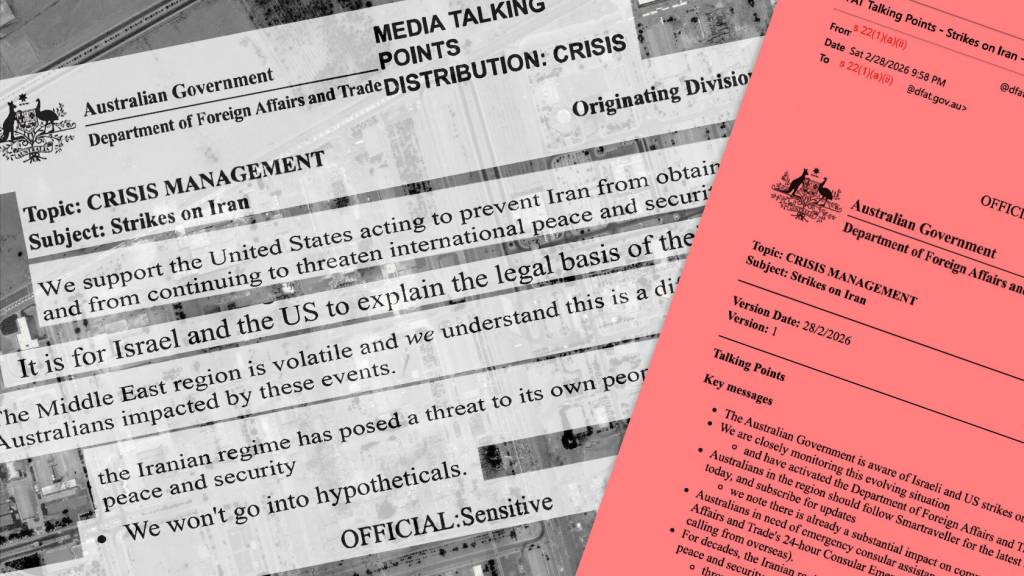
Recent intelligence briefings for Australian Prime Minister Anthony Albanese and Foreign Minister Penny Wong have highlighted growing concerns over the legality of coordinated US‑Israel strikes against Iranian targets. The disclosures shed light on diplomatic tension, domestic accountability, and the broader impact on Australia’s foreign‑policy calculus.
Why the Briefings Matter
Both leaders received detailed talking points that go beyond the usual security assessment. They underscore three core issues:
- International law compliance – Are the strikes consistent with the United Nations Charter and the rules of armed conflict?
- Regional stability – How could escalation affect Australia’s interests in the Middle East?
- Domestic political fallout – What are the implications for parliamentary oversight and public opinion?
Key Legal Questions Raised
1. Sovereignty and Self‑Defence
The United States claims the attacks are pre‑emptive self‑defence against imminent Iranian threats. However, the briefings note that the threshold for "imminent" under Article 51 of the UN Charter remains contested, raising doubts about lawful justification.
2. Proportionality and Distinction
International humanitarian law requires that force be proportionate and discriminate between combatants and civilians. The briefings cite independent reports of collateral damage, prompting questions about whether the strikes met these standards.
3. UN Security Council Authorization
Without a Security Council resolution, unilateral action risks violating the collective security framework. The briefings highlight the difficulty of obtaining a new resolution given veto power dynamics.
Implications for Australia
Strategic Alignment
Australia has a longstanding security partnership with the United States. The briefings stress the need for Canberra to balance alliance loyalty with adherence to international law, especially as public scrutiny intensifies.
Parliamentary Oversight
Albanese and Wong are urged to ensure any Australian involvement—such as intelligence sharing or logistics support—undergoes rigorous parliamentary review. This could set a precedent for future joint operations.
Regional Diplomacy
Australia’s credibility in the Indo‑Pacific hinges on its stance toward the Middle East. The briefings recommend reaffirming commitment to diplomatic solutions and humanitarian aid to mitigate backlash.
Actionable Recommendations for Ministers
- Commission an independent legal review of the strikes under Australian and international law.
- Publicly clarify Australia’s level of participation to maintain transparency.
- Strengthen diplomatic outreach to Iran and regional partners to de‑escalate tensions.
- Enhance parliamentary reporting mechanisms for future coalition operations.
Conclusion
The talking points prepared for Albanese and Wong illuminate serious legal uncertainties surrounding the US‑Israel strikes on Iran. By confronting these issues head‑on, Australia can uphold its commitment to the rule of law while preserving strategic alliances.

Comments are closed, but trackbacks and pingbacks are open.