

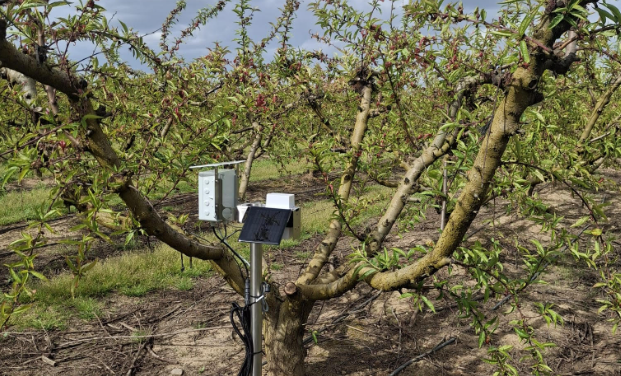
Belgium’s agricultural sector is embracing cutting-edge artificial intelligence technology to tackle one of farming’s most pressing challenges: water conservation. As climate patterns shift and water resources become increasingly precious, Belgian farmers are turning to AI-powered solutions to optimize irrigation and protect their livelihoods.
The Water Challenge Facing Belgian Agriculture
Belgium’s farmers have long struggled with balancing crop hydration needs against water scarcity concerns. Traditional irrigation methods often lead to overwatering, which not only wastes precious water resources but can also damage crops and increase fungal disease risk. With changing weather patterns making rainfall less predictable, the need for smart water management has never been more critical.
Modern AI systems are now transforming how Belgian farms approach irrigation. These intelligent platforms analyze multiple data points including soil moisture levels, weather forecasts, crop types, and growth stages to determine exactly when and how much to water.
How AI-Powered Irrigation Works
AI-driven irrigation systems utilize an array of sensors deployed throughout farmland to collect real-time data. Machine learning algorithms process this information alongside satellite weather predictions and historical farming patterns to create optimized watering schedules.
The technology considers several key factors:
- Soil moisture levels – Sensors measure moisture content at various depths
- Weather predictions – AI integrates rainfall forecasts to prevent unnecessary irrigation
- Crop requirements – Different crops have unique water needs at various growth stages
- Evapotranspiration rates – Systems calculate water loss through evaporation and plant transpiration
- Historical data – Machine learning improves recommendations based on past outcomes
Real Results for Belgian Farmers
Early adopters of AI irrigation technology in Belgium report significant improvements. Farmers using these systems have achieved water savings of up to 30% while maintaining or even improving crop yields. The precision of AI-driven irrigation ensures plants receive optimal moisture levels throughout their growth cycles.
Beyond water conservation, these systems help reduce fertilizer usage through precision nutrient delivery, lower energy costs associated with pumping water, and decrease labor requirements for manual irrigation management.
The Future of Smart Farming in Belgium
Belgium’s commitment to sustainable agriculture positions the country as a leader in agricultural innovation. Government programs and agricultural cooperatives are increasingly supporting farmer adoption of AI technologies through subsidies and training programs.
The integration of AI with other smart farming technologies—such as drone monitoring, automated harvesting, and predictive crop analytics—creates a comprehensive ecosystem of precision agriculture that promises to make Belgian farming more sustainable and productive than ever before.
Conclusion
AI technology is proving to be a game-changer for Belgium’s agricultural sector. By enabling precise, data-driven irrigation management, these innovative systems help farmers conserve water, reduce costs, and maintain healthy crops despite changing climate conditions. As more Belgian farmers adopt these technologies, the country’s agricultural sector is poised to become a model of sustainable, AI-powered food production.

Comments are closed, but trackbacks and pingbacks are open.