

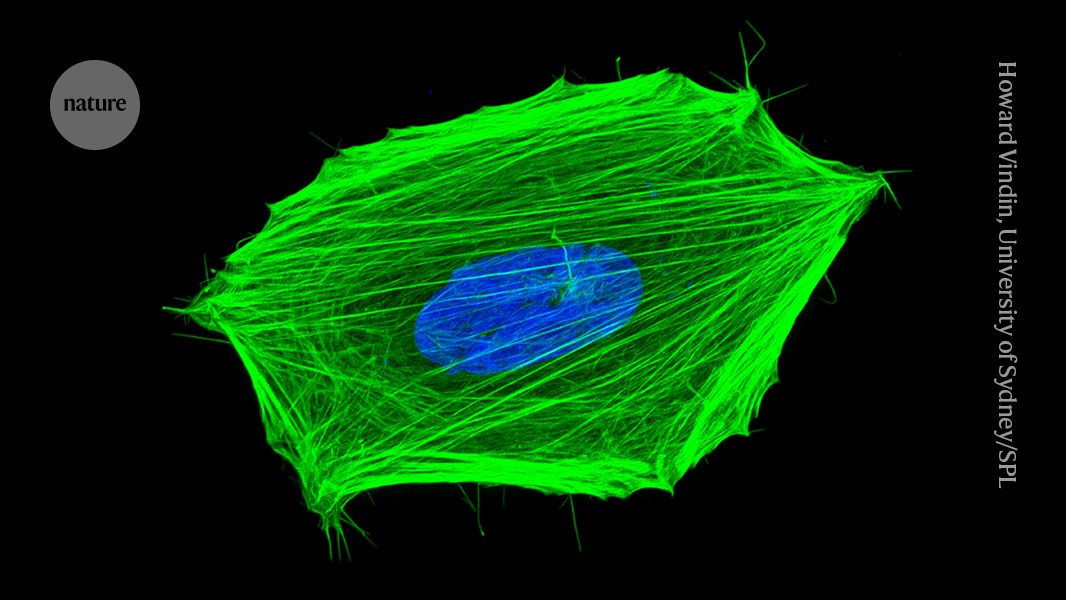
Introduction
Imagine being able to read the temperature of a single cancer cell in real time. A breakthrough quantum thermometer now makes that possible, offering a new window into tumor metabolism and treatment response.
What Is a Quantum Thermometer?
A quantum thermometer is a nanoscale sensor that uses quantum‑mechanical properties—usually the spin of nitrogen‑vacancy (NV) centers in diamond—to detect minute changes in temperature. Unlike traditional thermometers, it can operate inside living cells without disrupting their natural function.
Key Components
- Diamond nanocrystals: Biocompatible and chemically inert.
- NV centers: Defects in the diamond lattice that emit light whose intensity shifts with temperature.
- Optical readout system: A laser and microscope detect the emitted light and translate it into temperature data.
How It Works Inside Cancer Cells
1. Delivery: The nanodiamonds are introduced to the culture medium and naturally infiltrate cancer cells via endocytosis.
2. Excitation: A low‑power laser excites the NV centers, causing them to emit fluorescence.
3. Measurement: The fluorescence wavelength shifts about 0.01 nm per degree Celsius. Sophisticated software converts this shift into a precise temperature reading.
Why Cancer Cells?
Cancer cells often exhibit altered metabolism, leading to higher intracellular temperatures. Tracking these changes can:
- Identify aggressive tumor regions.
- Monitor response to chemotherapy or radiotherapy.
- Guide hyperthermia treatments that intentionally raise temperature to kill cancer cells.
Advantages Over Conventional Techniques
- Sub‑cellular resolution: Measures temperature at the micron scale.
- Real‑time data: Provides continuous monitoring during drug exposure.
- Non‑invasive: No need for physical probes that could damage the cell.
- High sensitivity: Detects temperature changes as small as 0.1 °C.
Potential Clinical Impact
While still in the research stage, the quantum thermometer could transform oncology by:
- Enabling early detection of metastasis through metabolic hot‑spots.
- Personalizing treatment plans based on a tumor’s thermal profile.
- Reducing side effects by targeting only the hottest, most aggressive cells.
Challenges and Future Directions
To move from the lab to the clinic, scientists must address:
- Scalability: Producing uniform nanodiamonds at large scale.
- Regulatory approval: Demonstrating safety for human use.
- Integration: Combining the sensor with existing imaging modalities.
Ongoing collaborations between physicists, biologists, and medical engineers are accelerating progress.
Conclusion
The quantum thermometer marks a pivotal step toward truly personalized cancer care. By turning the invisible heat of a tumor into actionable data, researchers are unlocking new strategies for early detection and more effective therapies.

Comments are closed, but trackbacks and pingbacks are open.