
Inside The Wild Life Of Richie Roberts, The Prosecutor Who Helped Put Drug Kingpin Frank Lucas Behind Bars

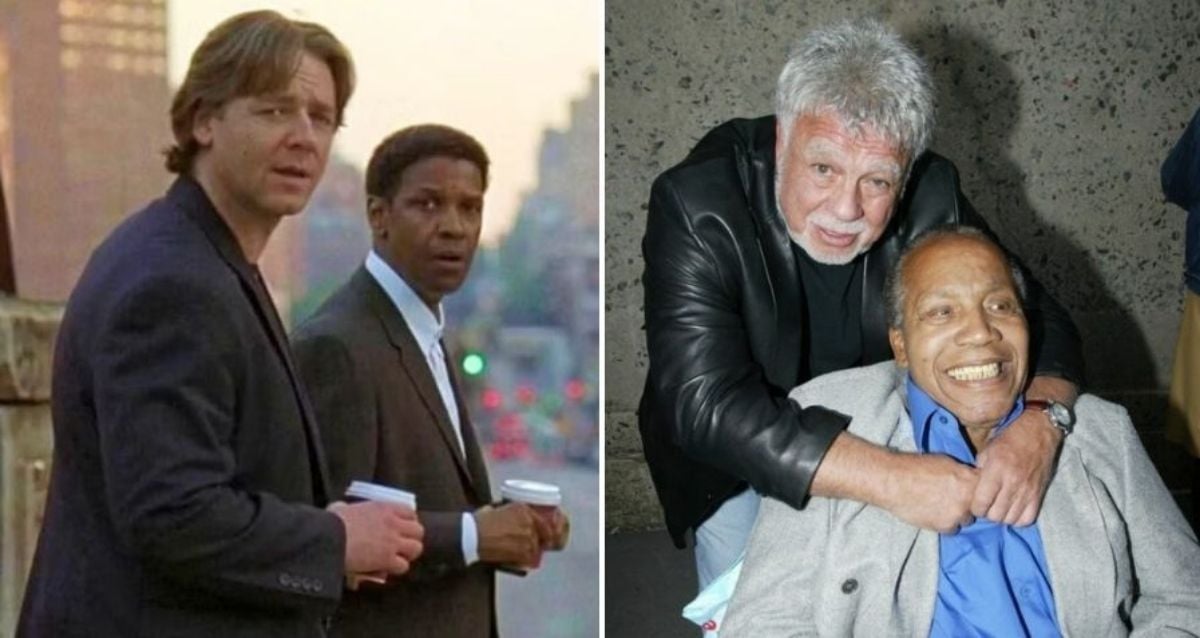
When most people think of the war on drugs in America, they often think of the flashy drug lords and their billion-dollar empires. But behind every successful prosecution stands a determined prosecutor willing to take on the most dangerous criminals. Richie Roberts was exactly that kind of prosecutor.
Who Is Richie Roberts?
Richie Roberts is a former New Jersey prosecutor who became famous for his relentless pursuit of drug kingpin Frank Lucas. Born and raised in New Jersey, Roberts developed a reputation as one of the most dedicated and fearless prosecutors in the state. His commitment to justice and his refusal to be intimidated by powerful criminals made him a legend in law enforcement circles.
Roberts served as an assistant prosecutor in Essex County, New Jersey, during the 1970s and 1980s. This was a time when drug trafficking was reaching epidemic levels, particularly in urban areas like Newark. While many prosecutors focused on easier cases, Roberts took on the most dangerous and complex ones.
The Rise of Frank Lucas
Before Roberts caught up with him, Frank Lucas was one of the most powerful drug dealers in America. Operating primarily out of New York and New Jersey, Lucas built a drug empire estimated to be worth $1 million per day at its peak. He was known for his ruthless tactics and his ability to evade law enforcement for years.
Lucas famously claimed to have cut out the middlemen in the drug trade by establishing direct connections to suppliers in Southeast Asia. This allowed him to import heroin directly and distribute it throughout the Eastern United States. His operation was sophisticated, well-organized, and deadly.
The Investigation That Changed Everything
Richie Roberts first learned about Frank Lucas through a tip from a federal agent. While others had tried and failed to build cases against Lucas, Roberts saw an opportunity where others saw impossibility. He assembled a team of dedicated investigators and began building what would become one of the largest drug cases in American history.
The investigation was fraught with challenges. Lucas had corrupt police officers in his pocket, making it difficult to gather evidence without leaks. Witnesses were terrified to come forward. But Roberts refused to give up. He worked tirelessly, often around the clock, to build an airtight case.
Building the Case
Roberts and his team gathered evidence through various means:
- Developing confidential informants within Lucas’s organization
- Tracing financial records and money laundering operations
- Collecting testimony from former associates willing to cooperate
- Working with federal agents to coordinate the investigation
The breakthrough came when several of Lucas’s associates agreed to testify against him in exchange for reduced sentences. Their testimony, combined with the physical evidence Roberts had gathered, painted a damning picture of Lucas’s criminal enterprise.
The Capture of Frank Lucas
In 1975, the moment of truth arrived. Richie Roberts and his team moved in to arrest Frank Lucas. The capture was dramatic and dangerous. Lucas was known to be heavily armed and surrounded by loyal associates willing to kill to protect him.
Despite the risks, Roberts personally oversaw the operation. Lucas was apprehended without incident, and the subsequent search of his properties revealed the massive scale of his operation. Authorities seized millions of dollars in cash, drugs, and property.
The Trial and Conviction
The trial of Frank Lucas was a media sensation. It represented one of the most significant drug prosecutions in American history. Roberts served as the lead prosecutor, presenting a complex case involving multiple witnesses, extensive evidence, and intricate financial transactions.
Roberts’s preparation was meticulous. He anticipated every defense Lucas’s attorneys might raise and had evidence to counter each one. His courtroom performance was commanding and persuasive. The jury deliberated for only a few hours before returning a guilty verdict.
Frank Lucas was sentenced to life in prison plus 30 years, effectively ending his reign as a drug kingpin. The conviction was a major victory in the war on drugs and established Richie Roberts as a hero in law enforcement.
Aftermath and Legacy
The conviction of Frank Lucas had far-reaching consequences. It demonstrated that even the most powerful drug lords could be brought to justice. It also exposed the corruption that had allowed Lucas to operate for so long, leading to investigations into corrupt police officers who had taken bribes from drug dealers.
For Richie Roberts, the case was both a triumph and a burden. He received numerous threats and faced retaliation from Lucas’s associates. But he also received recognition for his courage and dedication. The case was later immortalized in the 2007 film "American Gangster," starring Denzel Washington as Frank Lucas and Russell Crowe as Richie Roberts.
Life After the Lucas Case
After the Lucas conviction, Richie Roberts continued his career in law enforcement. He became known for taking on other high-profile cases and remained committed to fighting organized crime. His reputation as a fearless prosecutor grew, and he became a mentor to younger attorneys entering the field.
Roberts’s story has inspired countless prosecutors and law enforcement officers. His determination, integrity, and refusal to be intimidated serve as a model for those pursuing careers in criminal justice. He demonstrated that with enough dedication, even the most seemingly invincible criminals can be brought to justice.
Lessons from Richie Roberts’s Story
There are several important lessons from Richie Roberts’s career that remain relevant today:
- Perseverance pays off: Roberts worked on the Lucas case for years before achieving success. His determination never wavered despite numerous obstacles.
- Integrity matters: Roberts refused to be corrupted by the lucrative world of drug trafficking, even when others around him were accepting bribes.
- Teamwork is essential: The successful prosecution required cooperation between various law enforcement agencies and informants.
- No one is above the law: The Lucas case proved that even the most powerful criminals can be held accountable.
Conclusion
Richie Roberts represents the best of American law enforcement. His determination to bring down Frank Lucas, despite the dangers and obstacles, changed the course of the war on drugs. He showed that one dedicated prosecutor could take down an empire and inspire generations to come.
The story of Richie Roberts and Frank Lucas remains one of the most compelling tales in American criminal history. It reminds us that behind every successful prosecution is a person willing to stand up for justice, often at great personal risk. Roberts’s legacy continues to inspire those who pursue careers in criminal justice and prove that the good guys can indeed win.

Comments are closed, but trackbacks and pingbacks are open.