

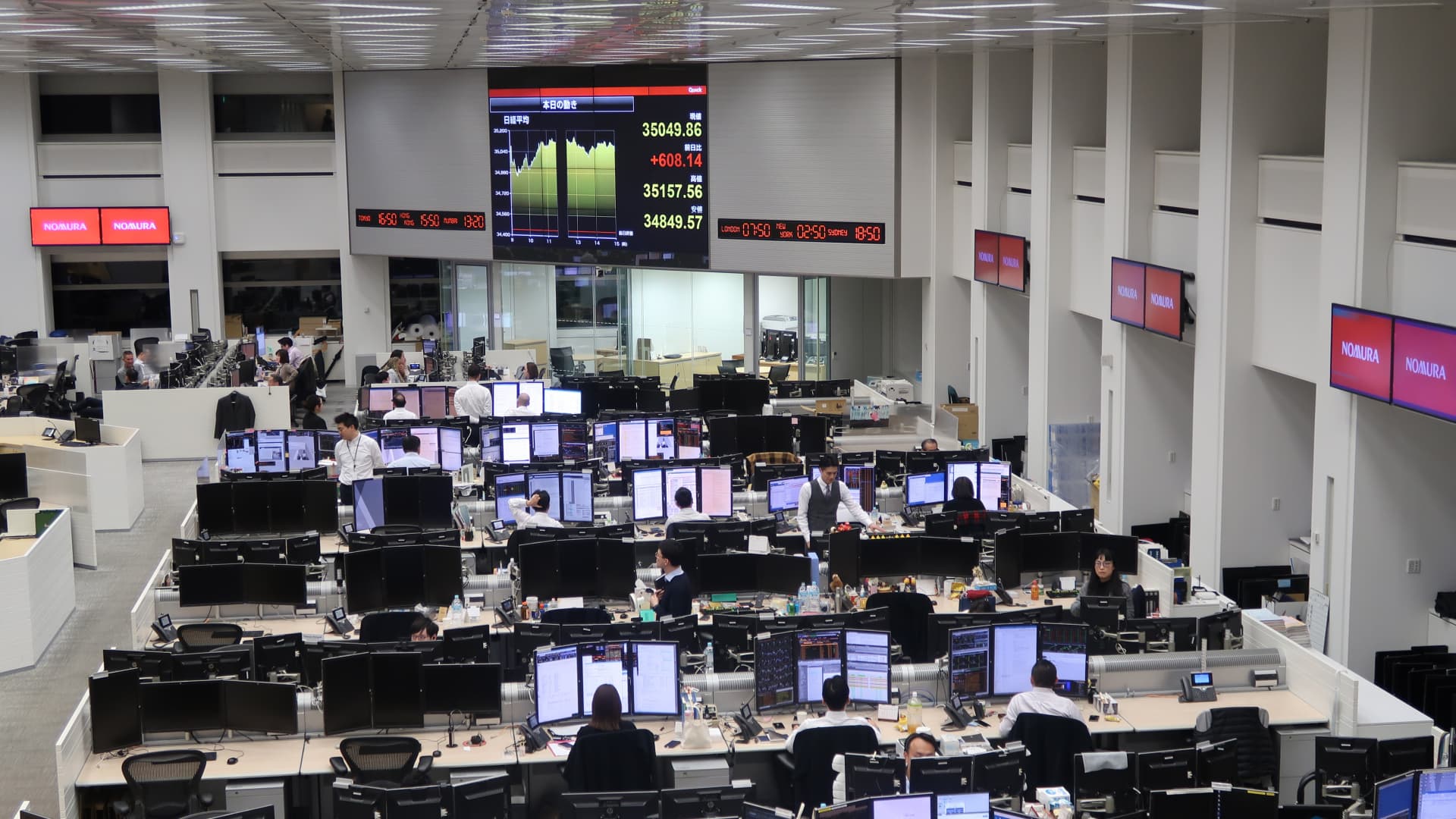
Global investors woke up to a turbulent start on Tuesday as President Donald Trump announced a new strategy to secure the Strait of Hormuz and free commercial shipping lanes. The announcement sent shockwaves through Asian equity markets, sparking a split reaction that reflects differing regional exposure to oil‑linked sectors.
What Trump’s Hormuz plan entails
The U.S. administration unveiled a three‑part approach:
- Naval escort fleets: Deployment of additional U.S. Navy destroyers and carrier groups to patrol the Gulf of Oman.
- Sanction relief for compliant vessels: Fast‑track waivers for ships that certify they are not carrying prohibited cargoes.
- Diplomatic pressure on Iran: Coordinated talks with European partners to encourage Tehran to keep the waterway open.
While the plan aims to reduce the risk of a repeat of the 2019 tanker attacks, analysts warn that the geopolitical tension remains high and could affect oil prices for weeks.
Mixed market reaction across Asia
Countries that rallied
Japan’s Nikkei 225 gained 0.7%, buoyed by technology giants that stand to benefit from lower energy costs. South Korea’s KOSPI rose 0.5% as shipbuilders saw renewed interest from global operators seeking new contracts.
Countries that slipped
China’s Shanghai Composite fell 0.9% after state‑owned energy firms warned of supply chain disruptions. India’s Nifty 50 slipped 0.6%, reflecting concerns from domestic oil refiners about a potential price spike.
Key sectors to watch
- Energy & Oil: Crude benchmarks hovered around $78 per barrel, a 1.2% rise on the news.
- Shipping & Logistics: Freight indexes showed a modest uptick as traders priced in the possibility of smoother transit.
- Technology: Semiconductor makers benefited from the expectation of steadier energy costs.
What investors can do now
- Monitor oil price volatility – a 2% swing could impact margin‑sensitive exporters.
- Consider short‑term exposure to shipping ETFs, which may see a bounce if the Hormuz corridor stabilises.
- Maintain diversification across regions – the mixed reaction shows that no single market is immune.
Bottom line
Trump’s plan to free ships in Hormuz has created a classic “wait‑and‑see” scenario for Asian markets. While some indices have found early support, the underlying risk of renewed tension keeps investors on edge. Staying agile and watching the oil‑price feedback loop will be crucial in the days ahead.

Comments are closed, but trackbacks and pingbacks are open.