

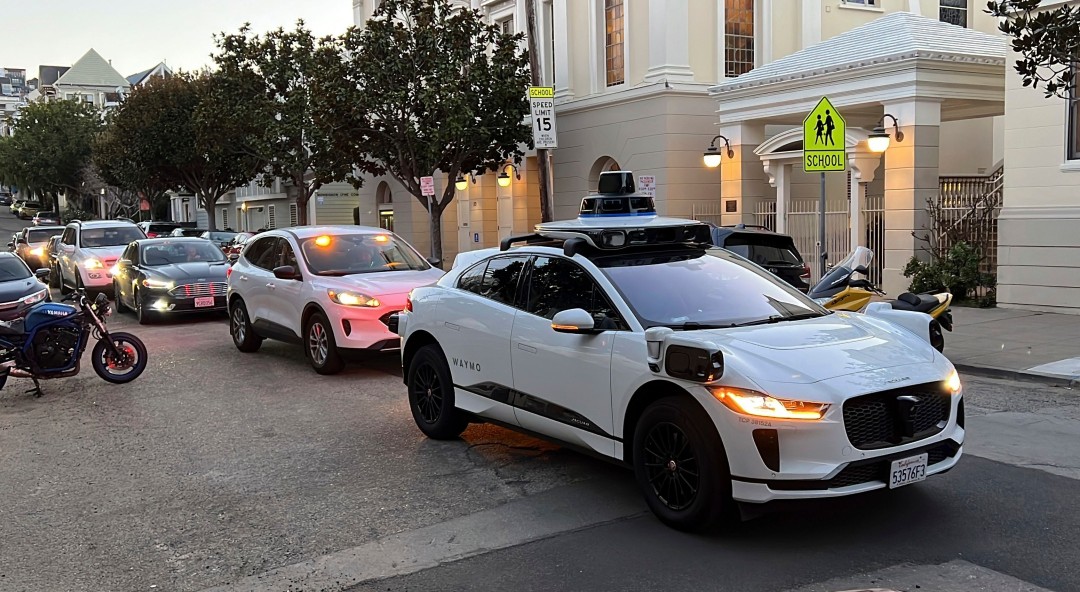
California is taking a bold step into the future of transportation by introducing traffic tickets for driverless vehicles. The move signals that autonomous technology will be held to the same road rules as human‑driven cars, and it raises important questions for owners, manufacturers, and everyday commuters.
Why California Is Issuing Tickets to Autonomous Vehicles
The California Department of Motor Vehicles (DMV) and the Department of Transportation (Caltrans) have clarified that any vehicle operating on public roads—whether controlled by a human or an AI system—must obey traffic laws. The decision stems from three key concerns:
- Safety compliance: Data shows that violations such as running red lights or illegal lane changes increase accident risk, regardless of who’s behind the wheel.
- Insurance clarity: Defining fault is easier when a clear citation system exists, helping insurers settle claims quickly.
- Public trust: Transparent enforcement reassures the public that autonomous cars are not a legal gray area.
How Ticketing Works for Driverless Cars
When an autonomous vehicle breaches a traffic rule, the following process is triggered:
- Automated detection: Road cameras, sensors, and connected vehicle data flag the violation.
- Notification to the operator: The registered owner or fleet manager receives an electronic citation within 48 hours.
- Payment or contest: Recipients can pay the fine online or request a hearing to dispute the ticket.
For rides‑hailing services and autonomous fleets, the citation is typically sent to the company’s compliance department, which then allocates responsibility to the vehicle’s operator or maintains a corporate insurance policy.
What This Means for Different Stakeholders
Individual Owners of Autonomous Vehicles
If you’ve purchased a Level 4 or Level 5 vehicle for personal use, you’ll be listed as the legal owner. That means any traffic tickets issued to your car will appear on your driving record, affecting insurance premiums and possibly your eligibility for certain discounts.
Autonomous Ride‑Hailing Companies
Firms such as Waymo, Cruise, and Zoox will need to integrate compliance modules into their fleet‑management software. Expect higher operational costs for:
- Real‑time monitoring of traffic‑law compliance.
- Legal teams to handle contestations.
- Insurance premiums reflecting increased exposure to citations.
Policy Makers & Regulators
The ticketing framework offers a testbed for future legislation. Data collected from violations can guide updates to speed‑limit algorithms, lane‑use policies, and even the design of new infrastructure such as dedicated AV lanes.
Tips to Avoid Getting Fined While Driving a Driverless Car
- Keep software updated: Manufacturers regularly release patches that improve compliance with local traffic rules.
- Review the vehicle’s log: Most autonomous systems store a trip log; check it regularly for any flagged events.
- Understand your jurisdiction: Some cities have unique rules—like no‑turn‑on‑red for certain intersections—that the AI may not automatically know.
- Maintain manual override capability: If you sense a potential violation, taking control can prevent a ticket.
Future Outlook: Will Ticketing Drive Better AI?
Enforcement is likely to accelerate the refinement of autonomous driving algorithms. Companies will invest more in machine‑learning models that predict and avoid violations, leading to safer roads and smoother traffic flow.
Conclusion
California’s decision to ticket driverless cars is a landmark moment that brings autonomous technology under the same legal umbrella as traditional vehicles. For owners, fleet operators, and policymakers, the message is clear: compliance is non‑negotiable. By staying informed, keeping software current, and embracing a proactive safety culture, stakeholders can turn this regulatory hurdle into an opportunity for safer, smarter transportation.

Comments are closed, but trackbacks and pingbacks are open.