

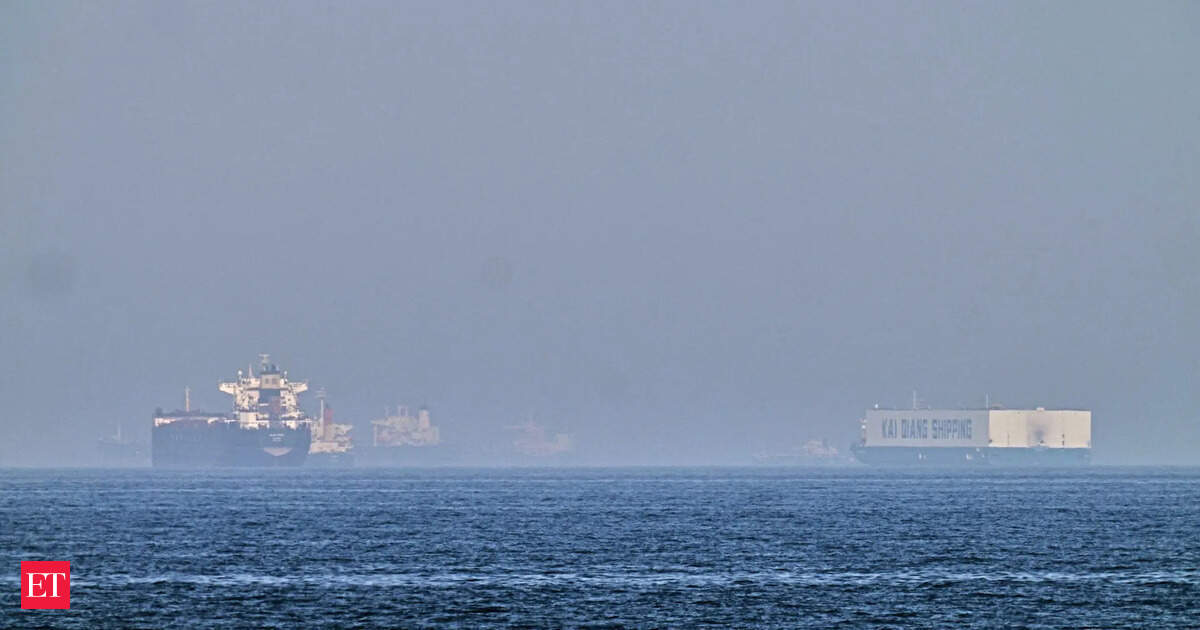
What’s Happening in the Strait of Hormuz?
The world’s most strategic maritime chokepoint is finally set to reopen on Monday, after weeks of uncertainty that rattled oil markets and global trade. The Strait of Hormuz, a narrow waterway linking the Persian Gulf with the Arabian Sea, handles roughly 20% of global petroleum shipments. Any disruption there sends shockwaves through the economy.
Why This Matters to You
Even if you’re not a trader, the strait’s status affects gasoline prices, airline ticket costs, and the overall health of the global supply chain. Understanding the political backdrop helps you gauge future market moves.
Donald Trump’s Big Announcement
During a surprise press conference on Friday, former President Donald Trump declared that the United States had secured a diplomatic breakthrough that would “restore free navigation” through the strait. Key points from his statement:
- U.S. naval forces will increase patrols to guarantee safety for commercial vessels.
- A “new economic package” will be offered to Iran, aimed at easing sanctions in exchange for a binding non‑interference pledge.
- Trump emphasized that the decision was made “for the benefit of American workers and global stability.”
While his remarks were optimistic, experts note that the actual terms of the agreement remain confidential, and the timeline for implementation is still vague.
Iran’s Response – Cautious Optimism or Strategic Posturing?
Iran’s Foreign Ministry issued a brief statement acknowledging the announcement but stopped short of a full endorsement. The key excerpts:
“Iran welcomes any initiative that ensures the free flow of commerce through the Strait of Hormuz, provided it respects our sovereignty and regional security interests.”
Analysts interpret this as Iran’s attempt to maintain leverage while avoiding a direct confrontation with the United States. Here’s what to watch:
- Sanctions Relief: Iran will likely test the United States’ commitment by demanding a phased rollback of sanctions linked to its nuclear program.
- Military Presence: Tehran may keep its anti‑ship missile batteries on standby as a bargaining chip.
- Regional Alliances: Expect closer coordination with allies such as Russia and China to counterbalance U.S. pressure.
Potential Impact on Oil Prices
Market analysts predict a short‑term dip in Brent and WTI crude prices as the risk premium fades. However, lingering uncertainty around the durability of the agreement could keep volatility elevated.
- If the strait remains fully operational, we could see a 2–3% reduction in global oil prices within the next two weeks.
- Any renewed tension or a sudden closure would likely trigger a rapid price spike, echoing past incidents in 2019 and 2020.
What This Means for the Average Reader
For everyday consumers, the reopening could translate into modestly lower fuel costs at the pump and cheaper airfare. Investors might see a brief rally in energy stocks, while logistics companies could benefit from more predictable shipping routes.
Key Takeaways
- The Strait of Hormuz is set to reopen on Monday, easing a major geopolitical risk.
- Donald Trump announced a U.S.‑led diplomatic effort to secure free navigation, tying it to potential sanctions relief for Iran.
- Iran responded positively but with conditions, keeping its strategic options open.
- Short‑term oil prices may dip, but the market remains sensitive to any slip‑up in the agreement.
Conclusion
The reopening of the Strait of Hormuz marks a pivotal moment in Middle‑East geopolitics and global energy markets. While Trump’s announcement brings optimism, the real test will be how both sides enforce the promises made today. Stay tuned, because the next few weeks will likely set the tone for oil stability and regional diplomacy for months to come.

Comments are closed, but trackbacks and pingbacks are open.