

Oil Prices Rise in Choppy Trade as Trump Plans to ‘Free’ Stranded Mideast Ships
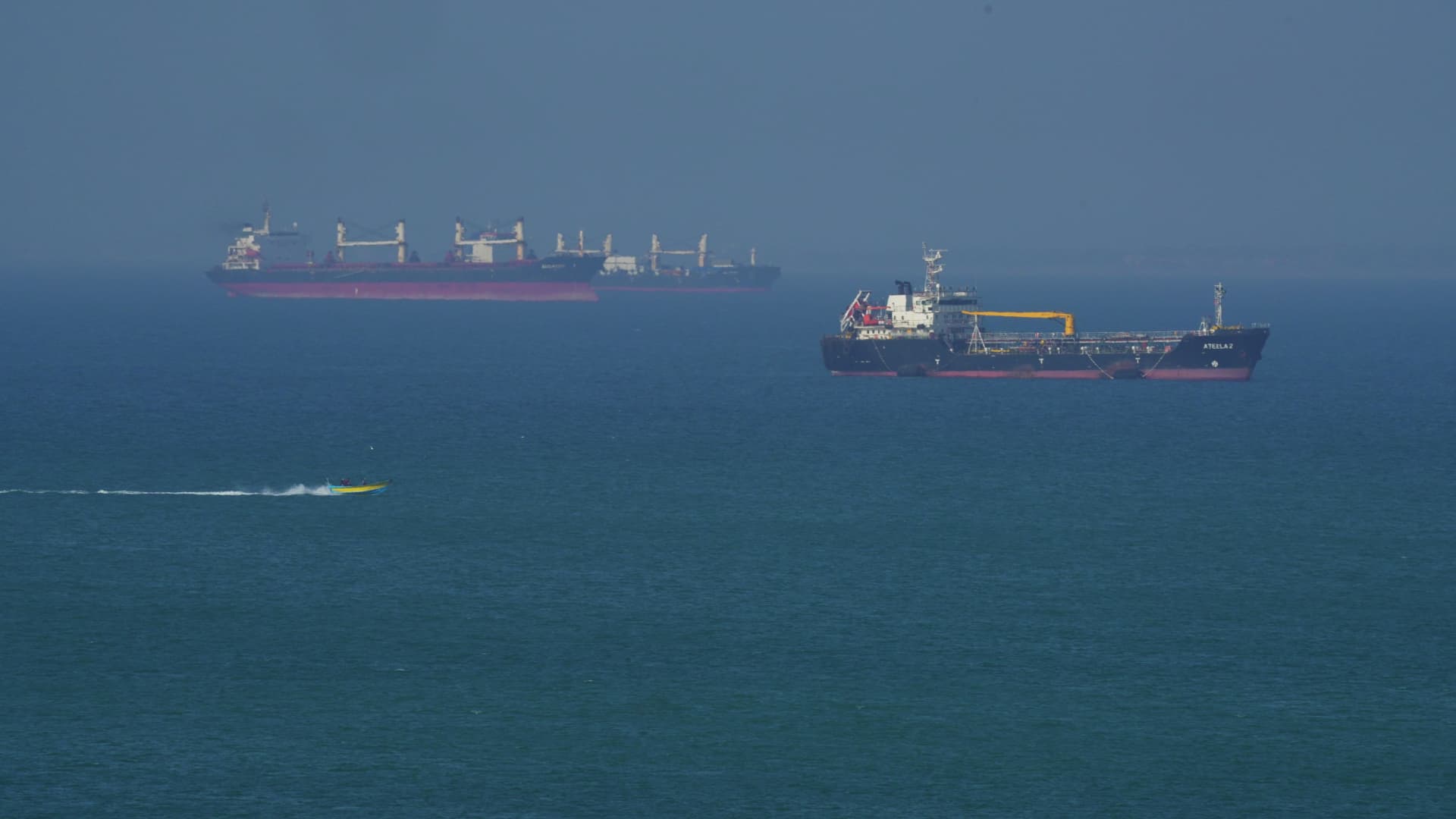
Global oil markets swung between sharp gains and losses in choppy Tuesday trading, with major crude benchmarks settling higher after former U.S. President Donald Trump announced plans to intervene in the ongoing Mideast conflict to free hundreds of commercial vessels stranded by regional tensions.
Trading volumes were 12% above the 30-day average as investors weighed competing risks: prolonged supply disruptions from the Mideast conflict, and the potential for a rapid resolution if Trump follows through on his pledge.
What’s Driving Current Oil Price Volatility?
The latest price moves come amid months of disruption to Red Sea shipping routes, where Houthi rebel attacks on commercial vessels have forced over 500 ships to reroute around Africa’s Cape of Good Hope to avoid the Suez Canal shortcut.
This rerouting has added 10–14 days to delivery times for oil and refined products, pushed freight costs up by 300% for key Asia-Europe routes, and tightened global oil inventories even as demand from top importer China remains soft.
Trump’s Mideast Pledge Shakes Up Energy Markets
Trump made the comments during a Friday rally in Iowa, telling supporters he would “end the Mideast conflict in weeks, not years” if re-elected, and deploy “every tool available” to free ships stranded in the region.
“We’re going to get those ships moving again, lower energy costs, and stop the chaos that’s hurting American families and businesses,” Trump said. Markets reacted positively to the prospect of reduced supply disruptions, but choppy trade reflects widespread skepticism about the feasibility of the pledge.
Benchmark Crude Prices React
Both major crude benchmarks saw volatile session swings before settling higher:
- West Texas Intermediate (WTI) crude, the U.S. benchmark, rose 1.8% to $78.42 per barrel, after trading between $76.10 and $79.05 earlier in the session.
- Brent crude, the global benchmark, gained 1.6% to $82.17 per barrel, paring earlier losses of up to 1.2% recorded in morning trade.
How Stranded Ships Are Squeezing Oil Supplies
Stranded tankers carrying crude and refined products have contributed to a 2.1 million barrel per day reduction in seaborne oil flows through the Red Sea since October, according to data from the International Energy Agency (IEA).
Analysts note that even a partial reopening of Red Sea routes could add 1.5 million barrels per day of supply back to global markets, which would ease price pressures. But prolonged conflict could push Brent crude above $90 per barrel by year-end, they warn.
What This Means for Consumers and Businesses
Higher oil prices are already filtering into U.S. gasoline prices, with the national average up 12 cents per gallon over the past two weeks to $3.42 per gallon, according to AAA.
For businesses, higher shipping and fuel costs are squeezing margins: logistics firms report 40% higher operating costs compared to pre-conflict levels, costs they are passing on to consumers via higher prices for goods.
Analyst Take: Uncertainty Remains the Only Constant
“Markets are pricing in two completely contradictory outcomes right now, which is why we’re seeing such extreme choppiness in trading,” said Sarah Jennings, senior energy strategist at Commodity Insights.
“On one hand, you have the risk of escalating Mideast tensions that could take even more supply offline. On the other, you have a plausible path to rapid de-escalation under a new U.S. administration. Until we get more clarity on either front, expect oil prices to stay volatile.”
What to Watch Next
Investors will be monitoring three key developments in the coming weeks:
- Any updates to U.S. election polling that shift the odds of a Trump victory
- Upcoming Mideast peace talks mediated by the U.S. and Qatar
- Weekly U.S. oil inventory reports from the EIA, due out every Wednesday
For now, oil markets remain on edge, balanced between geopolitical risk and the promise of a supply-side breakthrough that could bring prices back down.

Comments are closed, but trackbacks and pingbacks are open.