

Do You Have an Ingrown Toenail? Try These Home Remedies
Ingrown toenails can feel like an annoying inconvenience—and sometimes a painful nightmare. If you’re ignoring the prickly discomfort or waiting for a dentist to step in, you’re in the wrong place. The good news? Most mild cases can be treated at home with gentle care and a few natural fixes. In this guide, we’ll walk you through reliable, evidence‑backed home remedies, explain when to seek medical help, and share preventive tips to keep your toes happy.
What Is an Ingrown Toenail?
An ingrown toenail happens when the nail edge grows into the skin, usually on the big toe. It can cause redness, swelling, pain, and sometimes an infection that looks dangerous. Causes range from wrong footwear to incorrect trimming.
Quick Check‑In: Is It a DIY Case?
- Minor redness, swelling & pain only.
- No pus or severe tenderness.
- No signs of spreading infection (fever, chills).
If you meet all three, a home remedy can do wonders. If you see any red flags, angle toward a podiatrist.
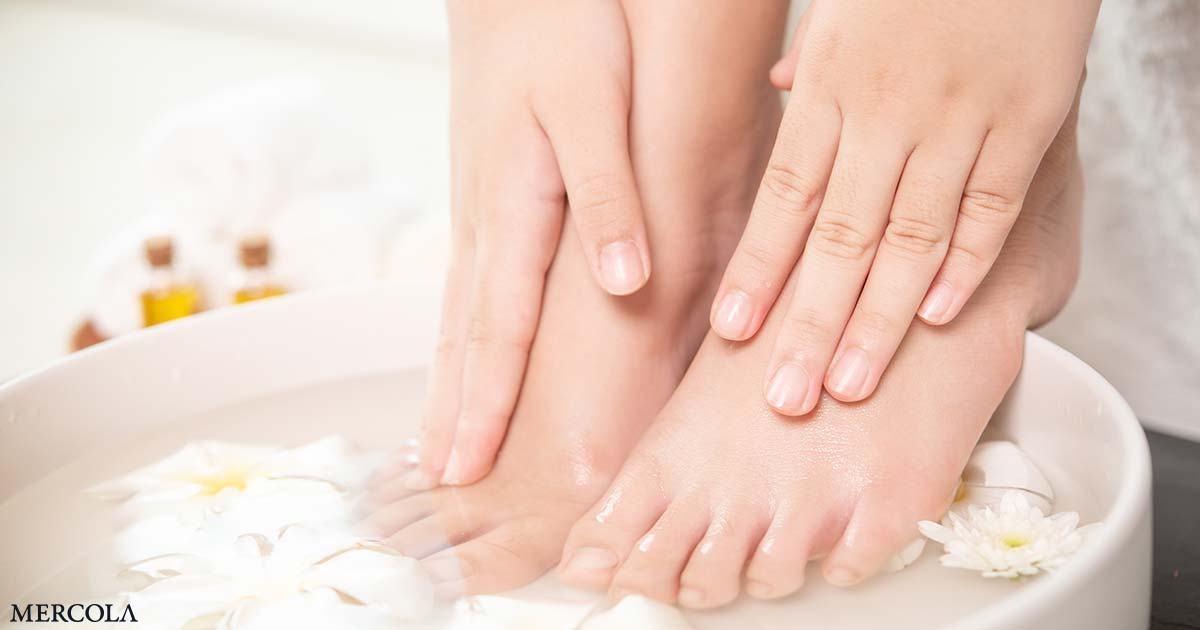
Home Remedy #1: Warm Soak & Softening
A simple 15‑minute soak in warm, Epsom salt water relaxes the nail and reduces inflammation.
- Fill a basin with 1–2 cups hot water.
- Add ¼ cup Epsom salt.
- Soak feet for 15–20 minutes, 2–3 times daily.
- Pat dry with a clean towel.
This step loosens the nail bed and softens the surrounding skin for easier movement.
Home Remedy #2: Gentle Lift & Antiseptic Care
After soaking, gently lift the ingrown edge with a tiny rubber tip or cotton swab. Support it with a small cotton ball between the nail and skin.
Apply an antiseptic or antibiotic ointment to prevent infection. Dress the toe with an air‑permeable bandage.
Why This Helps
- Reduces pressure on the nail tip.
- Keeps the area clean and dry.
- Allows the nail to grow out properly.
Home Remedy #3: Tea Tree Oil – The Natural Antiseptic
Tea tree oil has potent antibacterial properties. Dilute 1–2 drops in a carrier oil (such as olive or coconut) and dab gently on the ingrown area twice daily.
It fights infection, calms inflammation, and speeds healing.
Home Remedy #4: Proper Footwear & Nail Trimming
Prevention is key. Follow these habits:
- Trim nails straight across, not too short.
- Wear roomy shoes with a wide toe box.
- Avoid tight athletic shoes that push toenails inward.
- Keep feet dry—change socks if they get sweaty.
When to Call a Professional
Seek medical attention if:
- There’s severe pain or swelling spreading to the ankle.
- Pus, foul odor, or thick white discharge appears.
- You have diabetes or circulatory problems.
- Your toe looks bruised or blackened.
A podiatrist can safely trim the nail and remove damaged tissue with sterile tools, and may prescribe antibiotic or pain medication if needed.
Conclusion: Relief Starts With Simple Care
Ingrown toenails don’t have to keep you from walking tall. With warm soaks, gentle lifting, natural antiseptics, and proper habits, you can relieve pain and heal quickly—without a trip to the clinic. Keep your toes in good shape, stay patient, and treat wisely. Your feet will thank you!

Comments are closed, but trackbacks and pingbacks are open.