

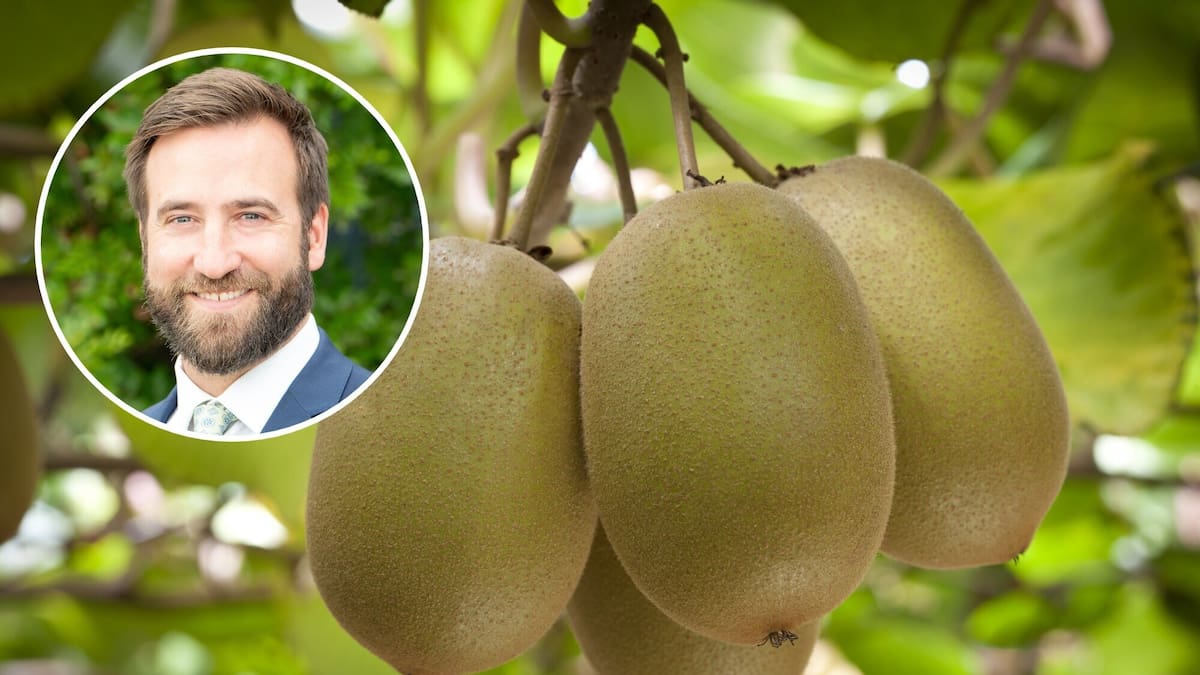
New Zealand’s kiwifruit giant Zespri is celebrating a major win for its Indian operations, after the Indian government announced sharp cuts to kiwifruit import tariffs under a newly finalized free trade agreement. The move is set to reshape the fast-growing Indian fresh fruit market, cutting costs for consumers and opening up massive export opportunities for Kiwi growers.
What the New India Free Trade Agreement Means for Kiwifruit
The newly signed India free trade agreement covers agricultural goods, services, and digital trade, with kiwifruit identified as a priority product for tariff liberalization. Previously, high import duties made New Zealand kiwifruit 40% more expensive than domestic Indian varieties and cheaper imports from other markets.
Under the deal, import tariffs on fresh kiwifruit will drop from 30% to 5% immediately, with a full phase-out to 0% by 2026. This gradual reduction gives domestic Indian kiwifruit growers time to adapt, while giving Zespri a clear timeline to scale its exports.
Zespri’s Official Response to the Tariff Slash
Zespri Chief Executive Dan Mathieson called the agreement a “game-changer” for the company’s long-term India strategy. “India is one of the fastest-growing premium fresh fruit markets globally, with a rising middle class actively seeking nutrient-dense, high-quality produce like our kiwifruit,” he said.
“Slashing these tariffs removes a major roadblock to expanding our footprint here. We expect to double our India exports within 2 years, reaching 15 million trays annually by 2025.”
Who Benefits from the Kiwifruit Tariff Cut?
Indian Consumers
The biggest immediate winners are Indian buyers, who currently pay an average of ₹150 per kg for imported New Zealand kiwifruit. Industry experts project prices will drop by 25-30% once the new tariff rates take effect, making the vitamin C-rich fruit accessible to a wider range of households.
This price cut comes as demand for premium fruit surges in tier 2 and 3 Indian cities, where middle-class consumers are increasingly prioritizing health-focused food choices.
New Zealand Kiwifruit Growers
For New Zealand’s 2,500+ kiwifruit growers, the India free trade agreement opens access to a market of 1.4 billion people. Zespri currently exports just 2% of its total annual crop to India, a figure projected to rise to 10% by 2030.
This growth will add an estimated NZ$200 million in annual export revenue for the New Zealand kiwifruit sector, supporting jobs and rural communities across the country.
Key Details of the Kiwifruit Tariff Changes
- Current import tariff on fresh kiwifruit: 30%
- Immediate cut under India FTA: To 5%
- Full tariff phase-out to 0% by: 2026
- Projected Zespri export growth in India: 100% within 2 years
- Expected consumer price drop: 25-30%
Broader Implications for India’s Trade Policy
The kiwifruit tariff slash is part of India’s broader push to liberalize agricultural imports under its 2024-2029 National Trade Policy. The government aims to curb food inflation, expand consumer choice, and strengthen trade ties with key Pacific partners like New Zealand.
Trade analysts say similar tariff cuts for other premium fruits, including avocados, blueberries, and cherries, could follow in the next 12 months as India looks to finalize more free trade agreements with major agricultural exporters.
Final Takeaway
For Zespri, the India free trade agreement marks a critical milestone in its Asia expansion strategy. With kiwifruit tariffs slashed and demand for healthy fresh produce at an all-time high, the company is well-positioned to capture a significant share of India’s booming fruit market.
Indian consumers, meanwhile, can look forward to cheaper, higher-quality kiwifruit on supermarket shelves in the coming months, as Zespri ramps up shipments to meet surging demand.

Comments are closed, but trackbacks and pingbacks are open.