

Introduction
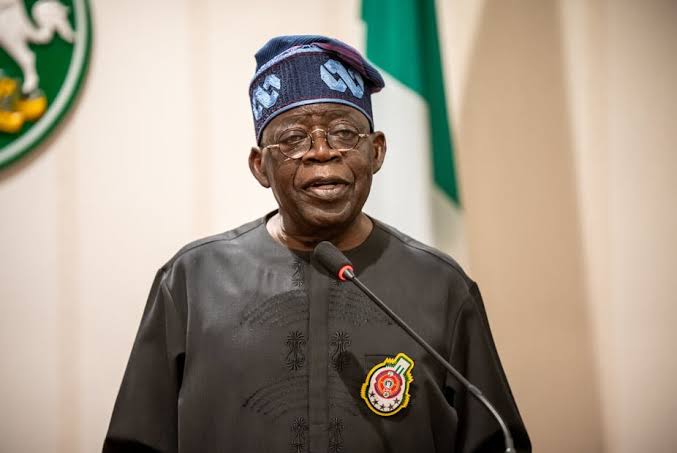
Workers’ Day in Nigeria is more than a public holiday; it is a platform for labour leaders, government officials and citizens to discuss the state of employment, wages and poverty. This year, President Bola Ahmed Tinubu used his speech to condemn rising poverty, while the Nigeria Labour Congress (NLC) walked off the stage demanding a N225,000 minimum wage. The clash of statements highlights deep‑seated economic challenges and sets the tone for the year ahead.
Key Highlights from Tinubu’s Workers’ Day Address
1. Poverty as a national emergency
- Tinubu labelled poverty as “the greatest threat to national security”.
- He cited recent statistics showing over 40% of households living below the poverty line.
- The President promised an accelerated rollout of the National Social Investment Programme (NSIP) to reach 15 million more vulnerable families.
2. Commitment to job creation
- Target: 2.5 million new jobs by 2027, focusing on agriculture, renewable energy and digital services.
- Launch of a “Skills for the Future” fund worth N500 billion to train youth in ICT, agro‑processing and green technologies.
3. Wage policy outlook
While Tinubu avoided a specific figure, he pledged a “fair remuneration framework” that aligns with inflation, currently hovering around 18%.
Understanding the NLC’s N225,000 Wage Demand
Why N225,000?
The NLC calculated the figure based on:
- Average inflation rate of 18% for 2024.
- Cost‑of‑living increases in food, transport and housing.
- Benchmark wages in the private sector, where senior staff earn between N250,000–N300,000 monthly.
Stakeholder reactions
- Business groups warn that a sudden rise could hurt SMEs and increase informal employment.
- International partners (World Bank, IMF) urge a phased approach to avoid macro‑economic instability.
- Labour unions remain united, threatening nationwide strikes if the demand is not met by August 2024.
Potential Economic Impact
Positive scenarios
- Higher disposable income could boost consumer spending, lifting GDP growth by up to 0.8%.
- Improved morale may increase productivity, especially in the public sector.
Risks to watch
- Inflationary pressure could rise further if wage hikes outpace productivity gains.
- Fiscal strain on the federal budget, which already runs a deficit of about 8% of GDP.
What This Means for Workers
- Short‑term: Expect intensified negotiations and possible industrial actions.
- Medium‑term: If the wage is approved, many workers may finally earn a living wage that covers basic needs.
- Long‑term: The outcome will set a precedent for future wage reviews and could reshape Nigeria’s labour market.
Conclusion
Workers’ Day 2024 has turned into a decisive moment for Nigeria’s socio‑economic agenda. Tinubu’s condemnation of poverty underscores the urgency, while the NLC’s N225,000 wage demand forces policymakers to balance growth with affordability. The coming weeks will reveal whether dialogue can bridge the gap or if industrial unrest will dominate the national discourse.

Comments are closed, but trackbacks and pingbacks are open.