

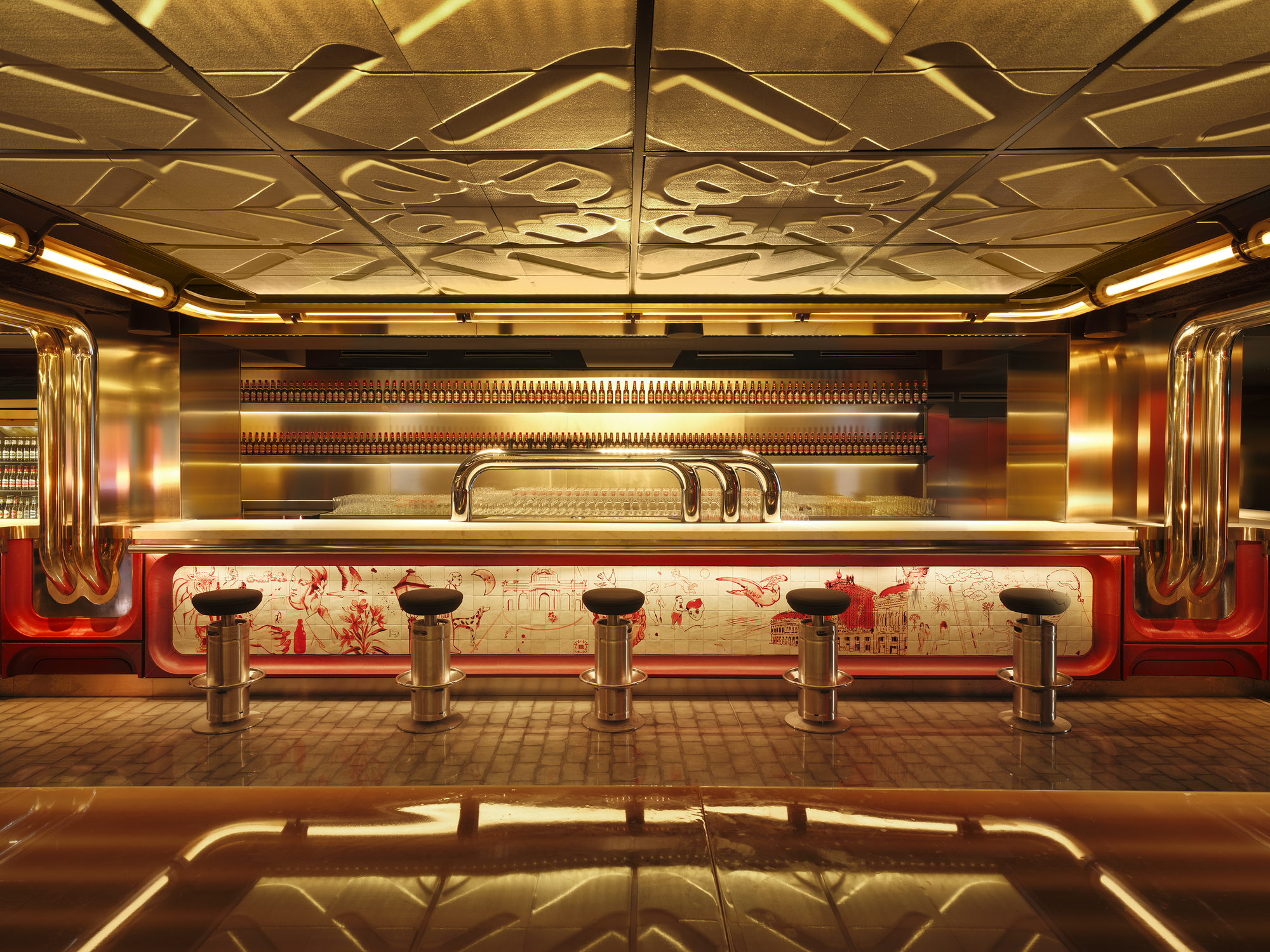
When it comes to reimagining urban public spaces, few projects capture the balance of functionality, aesthetics, and community needs as sharply as Plaza Mahou. Designed by the internationally recognized External Reference Architects, this project is reshaping global conversations around modern shared city areas.
Public spaces often struggle to serve diverse user groups, but Plaza Mahou sidesteps this common pitfall with a design that prioritizes inclusivity and adaptability. It is not just a plaza, but a flexible community hub built to evolve with the needs of the people who use it.
What Is Plaza Mahou?
Plaza Mahou is a large-scale public space project designed to serve as a central gathering point for locals and visitors alike. Unlike traditional plazas that focus solely on open green space, this project integrates retail, event, and recreational zones into a single cohesive layout.
The design team at External Reference Architects worked closely with local stakeholders to ensure the space reflected the cultural and social needs of the surrounding community. Every element, from seating arrangements to pedestrian pathways, was mapped to real-world usage patterns.
Who Are External Reference Architects?
External Reference Architects is a Barcelona-based architectural studio founded by Carmelo Zappulla, known for its boundary-pushing approach to context-driven design. The firm has delivered award-winning projects across Europe, Asia, and the Americas, with a focus on blending innovation with local cultural identity.
Their portfolio spans residential, commercial, and public sector work, but their public space designs have earned particular acclaim for prioritizing user experience over rigid architectural trends. Plaza Mahou is one of their most high-profile public space commissions to date.
Key Design Features of Plaza Mahou
External Reference Architects packed several forward-thinking design elements into the Plaza Mahou project, each tailored to enhance usability and longevity. Below are the standout features that set this plaza apart:
Multi-Use Layout
The plaza is divided into distinct zones that cater to different activities: quiet seating areas for remote workers, open event spaces for markets and performances, and shaded play zones for families. Movable furniture allows users to reconfigure spaces on demand.
Sustainable Material Choices
95% of the materials used in the plaza’s construction are recycled or locally sourced, reducing the project’s carbon footprint. Permeable paving was installed to manage stormwater runoff, while native drought-resistant plants minimize water usage for landscaping.
Community-Centric Amenities
Free public Wi-Fi, accessible restrooms, and integrated bike parking are standard across the site. A dedicated community notice board and pop-up stall spaces give local small businesses and grassroots groups a free platform to engage with visitors.
Why Plaza Mahou Stands Out in Urban Design
Most public space projects prioritize visual impact over practicality, but Plaza Mahou delivers both. Its design avoids the ’empty monument’ trap common in large-scale civic projects, instead creating a space that feels lived-in and useful from day one.
The project also sets a new standard for stakeholder collaboration. External Reference Architects held 12 community workshops during the design phase, incorporating over 200 pieces of feedback into the final blueprint. This has led to higher usage rates than comparable plazas in the region.
Lessons for Future Public Space Projects
Plaza Mahou offers actionable takeaways for city planners, architects, and developers looking to create high-impact public spaces:
- Prioritize community input early and often in the design process, rather than treating feedback as an afterthought.
- Design for flexibility: movable furniture and multi-use zones extend the lifespan of a space as user needs change.
- Invest in sustainable materials upfront to reduce long-term maintenance costs and environmental impact.
- Integrate practical amenities (Wi-Fi, bike parking, restrooms) to make the space accessible to all user groups.
Conclusion
Plaza Mahou proves that public spaces can be both visually striking and deeply functional when designed with community needs at the core. External Reference Architects has delivered a project that will serve as a blueprint for urban design for years to come.
Whether you are an architecture enthusiast, a city planner, or a local resident, Plaza Mahou is a must-visit example of what modern public space design can achieve. Keep an eye on External Reference Architects’ upcoming projects for more innovative takes on urban living.

Comments are closed, but trackbacks and pingbacks are open.