

Introduction
What if a simple drawing, a recurring dream image, or a piece of jewelry could become a catalyst for better health and deeper meaning? Working with symbols taps into the brain’s subconscious language, turning visual cues into powerful intentions. In this guide we break down the science, the spiritual roots, and the step‑by‑step practice you can start today.
Why Symbols Influence Health and Wholeness
Neuroscience behind visual cues
The brain processes images 60,000 times faster than text. When a symbol is repeatedly associated with a positive outcome, neural pathways strengthen, creating a placebo‑like effect that can lower stress hormones, improve immunity, and boost mood.
Archetypal resonance
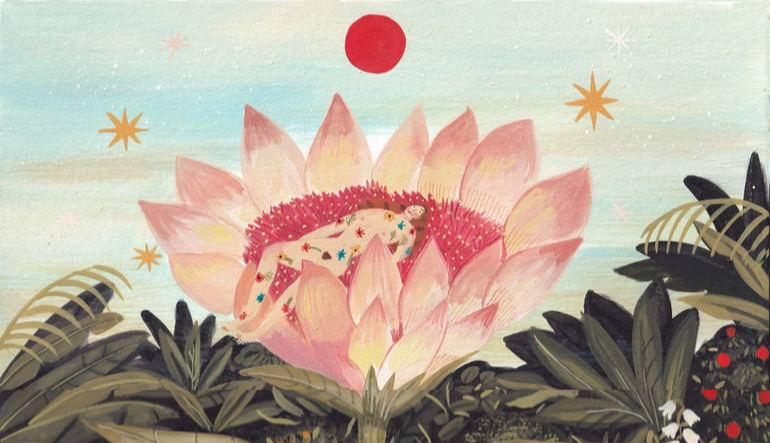
Carl Jung described symbols as “archetypes” that hold universal meaning. A spiral can represent growth; a lotus, renewal. When you consciously engage these patterns, you align personal goals with deep‑seated psychic symbols, making change feel inevitable.
Choosing the Right Symbol for Your Goal
- Health: The rod of Asclepius, a green leaf, or a simple heartbeat line.
- Wholeness: The mandala, a closed circle, or the infinity knot.
- Meaning: A compass, a flame, or a personal totem animal.
Pick a symbol that instantly sparks a positive emotion. Test it: look at the image for 10 seconds—does it make you feel calm, motivated, or hopeful?
Practical Steps to Manifest with Symbols
- Define a clear intention – e.g., “I want my body to feel energetic and balanced.”
- Select a visual anchor – a drawing, a stone, a piece of jewelry, or a wallpaper.
- Program the symbol – spend 3‑5 minutes visualizing your intention while holding the symbol. Imagine vivid details: color, scent, temperature.
- Integrate daily – place the symbol in a spot you see often (desk, bathroom mirror, phone background). Each glance is a micro‑affirmation.
- Refresh the connection – once a week, rehearse the visualization for 2 minutes, adding any new insights or adjustments.
Examples of Symbolic Practices
Morning Health Boost
Keep a small emerald crystal on your nightstand. As you wake, hold it, inhale deeply, and repeat: “My cells awaken with fresh, vibrant energy.”
Evening Wholeness Ritual
Draw a simple mandala on a sticky note. While sipping herbal tea, trace the lines with your finger, breathing in balance and exhaling tension.
Finding Meaning in Work
Place a compass image on your computer desktop. When you feel stuck, click it and remind yourself of the direction you set for your career and values.
Common Pitfalls and How to Avoid Them
- Skipping the visualization – The symbol alone is a cue; without mental rehearsal it remains decorative.
- Choosing a symbol that feels forced – Authentic resonance is crucial. If a symbol feels “too new‑age,” test another that feels more natural.
- Inconsistency – Sporadic exposure dilutes neural conditioning. Aim for at least three daily sightings.
Measuring Your Progress
Keep a simple journal. Note the symbol you used, the intention, and any physical or emotional shifts you notice each week. Over a month, patterns emerge—higher energy, reduced anxiety, clearer purpose.
Conclusion
Symbols are more than decorative art; they are shortcuts to the subconscious mind. By selecting resonant images, pairing them with clear intentions, and reinforcing them daily, you can manifest tangible improvements in health, a sense of wholeness, and deeper meaning. Start small, stay consistent, and watch the transformation unfold.

Comments are closed, but trackbacks and pingbacks are open.