

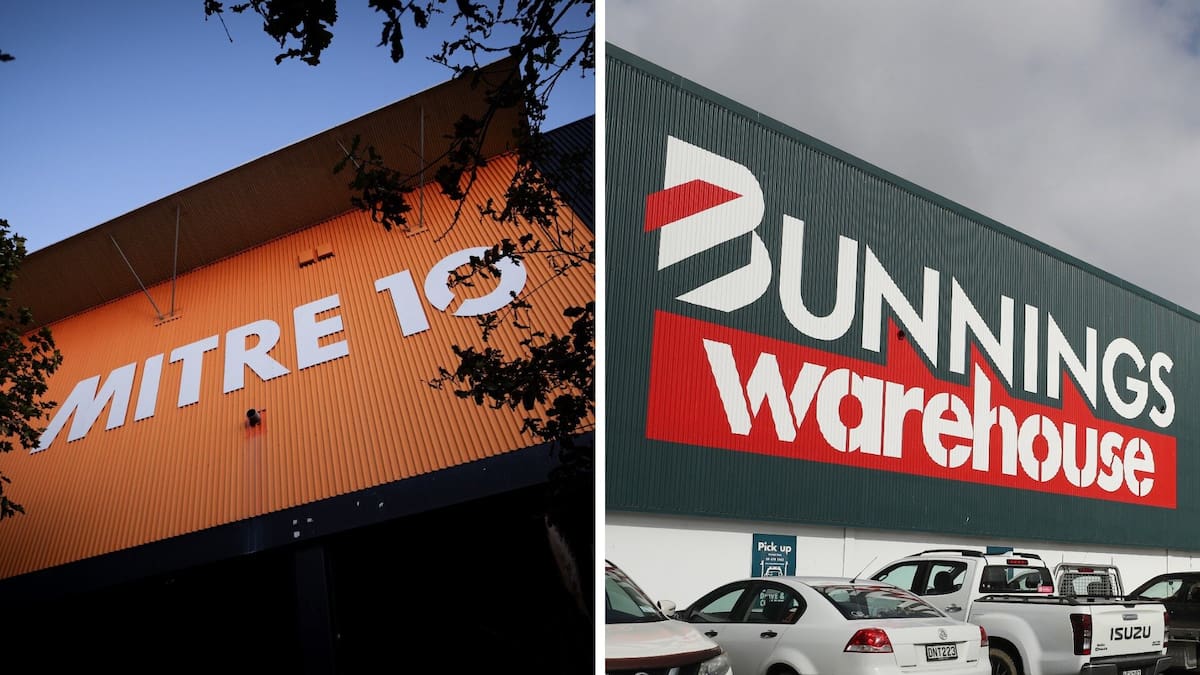
Why Your DIY Budget Is Shrinking
The ongoing conflict in Iran has sent shockwaves through global supply chains. Raw materials such as steel, aluminium and timber are now more expensive, and the cost increase is bubbling up at the retail level. Australia’s two biggest home‑improvement chains – Mitre 10 and Bunnings – have announced they will pass on a portion of these higher import costs to shoppers.
What This Means for Everyday Projects
From a new kitchen bench to a simple fence repair, the price tags on staple items are rising between 5‑15 %.
- Hardware: Nails, screws and brackets are up 4‑7 %.
- Building Materials: Timber, plasterboard and cement are seeing 6‑12 % hikes.
- Tools & Paint: Power tools and specialty paints have jumped roughly 5 %.
How the War Triggers These Increases
The Iranian conflict has disrupted maritime routes and forced carriers to reroute shipments, driving up freight fees. Sanctions on key exporters also limit the flow of raw commodities, which squeezes global prices. When manufacturers pay more for input, retailers like Mitre 10 and Bunnings have little choice but to adjust their price structures.
Tips to Mitigate the Impact on Your DIY Projects
- Shop Sales Cycles: Both chains run quarterly clearance events. Buying during these windows can offset the price hike.
- Buy in Bulk: If you have a larger renovation planned, purchasing larger quantities now locks in current prices before further spikes.
- Consider Alternatives: For example, engineered timber often costs less than solid hardwood and performs similarly for many indoor projects.
- Use Loyalty Programs: Mitre 10’s Trade Club and Bunnings’ PowerPass offer discounts and early‑access promotions.
- Rent Equipment: Instead of buying an expensive power tool you’ll use once, rent it from the store’s tool‑hire service.
Long‑Term Outlook
Analysts predict that as long as the geopolitical tension persists, supply‑chain volatility will remain high. However, once shipping lanes stabilise and sanctions ease, prices could gradually retreat. In the meantime, DIYers should plan projects with a buffer of 5‑10 % in their budgets and stay alert to retailer promotions.
Conclusion
Mitre 10 and Bunnings are simply reflecting a broader economic reality – the Iran war is inflating the cost of raw materials worldwide. By understanding why prices are rising and applying smart buying strategies, you can keep your home‑improvement projects affordable without sacrificing quality.

Comments are closed, but trackbacks and pingbacks are open.