

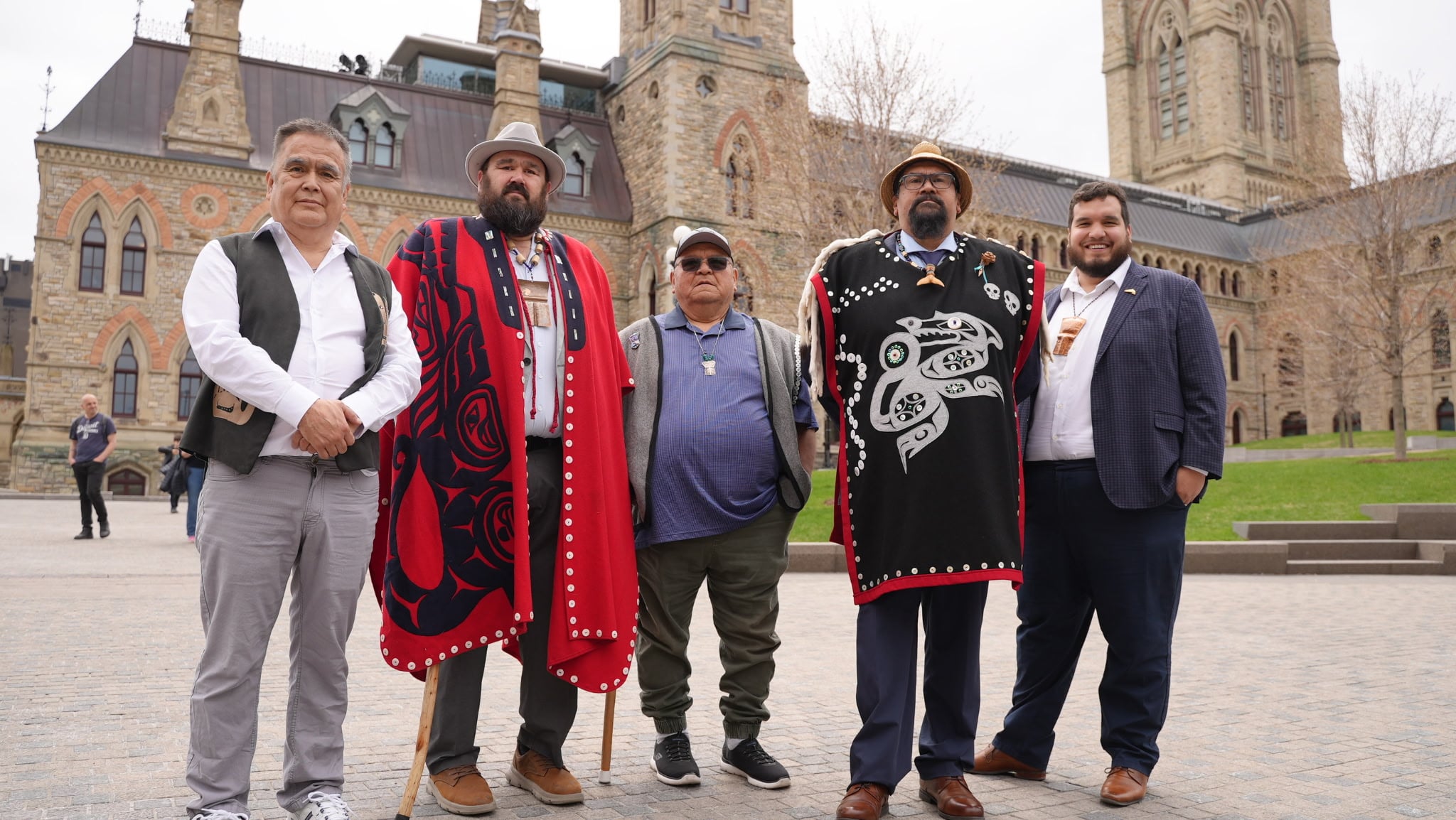
The B.C. government’s plan to phase out open-net salmon farming by 2025 has pitted environmental advocates against coastal workers for months. Now, First Nations across the province are stepping in with a third option: an Indigenous-designed management system that would replace the blanket ban, protect marine ecosystems, and preserve thousands of local jobs.
What’s Behind the Push for Indigenous-Led Salmon Farming?
First Nations leaders say the current provincial ban ignores their inherent right to steward traditional territories, as well as decades of data showing Indigenous-led management delivers better environmental and economic outcomes. The proposal, backed by the First Nations Fisheries Council, calls for co-governance of salmon farming operations rather than outright elimination.
“We’ve managed these waters for thousands of years, and we’re not choosing between jobs and the environment,” says Chief Mark Point of the Stz’uminus First Nation, a key supporter of the plan. “Our system would hold farms to strict environmental standards while keeping food on tables and paychecks flowing in coastal communities.”
The Proposed Indigenous Management Framework
The First Nations’ system would replace the province’s one-size-fits-all ban with site-specific rules, including:
- Mandatory Indigenous monitoring of water quality, sea lice levels, and fish health at all farm sites
- Closures only when verifiable data shows harm to wild salmon populations, not arbitrary license non-renewals
- Revenue-sharing agreements between farm operators and local First Nations
- Priority hiring for Indigenous workers in all farm operations
Jobs at Stake in Coastal Communities
Over 5,000 direct and indirect jobs are tied to B.C.’s salmon farming sector, according to the B.C. Salmon Farmers Association. Many of these roles are in remote Indigenous communities where alternative employment options are limited.
A blanket ban would disproportionately impact these communities, wiping out entry-level roles, technical positions, and support jobs in adjacent sectors like transport and processing. First Nations leaders note that many of their members rely on these jobs to support families and fund community programs.
Why First Nations Oppose the Blanket Ban
Critics of the current ban argue it prioritizes optics over science, ignoring independent studies that show properly managed open-net farms pose minimal risk to wild salmon when paired with strict oversight. First Nations say the blanket ban also sidelines their constitutionally protected rights to self-determination over traditional territories.
The proposal aligns with the United Nations Declaration on the Rights of Indigenous Peoples (UNDRIP), which B.C. adopted into provincial law in 2019. UNDRIP requires governments to consult with Indigenous nations on resource decisions that affect their territories.
Balancing Ecology and Economy
Contrary to claims that Indigenous-led management would weaken environmental protections, the proposed system includes stricter safeguards than current provincial rules. Farms would be required to submit to monthly Indigenous-led audits, and any operation that fails to meet health standards would face immediate suspension.
“We have more to lose than anyone if wild salmon populations decline,” says Dr. Andrea Reid, a First Nations fisheries scientist advising on the plan. “Our system centers both ecological health and community wellbeing, because you can’t have one without the other.”
What’s Next for the Proposal?
First Nations representatives are currently in closed-door negotiations with B.C.’s Ministry of Land, Water, and Resource Stewardship, as well as federal fisheries officials. Early indications suggest the province is open to modifying its phase-out plan, but no formal commitments have been made.
Industry groups have also voiced support for the First Nations proposal, noting that it offers a path forward that avoids mass job losses while addressing environmental concerns. A final decision on the 2025 phase-out is expected by the end of 2024.
Conclusion
The push for Indigenous-led salmon farming management represents a critical shift in B.C.’s resource policy, one that centers Indigenous rights, scientific evidence, and community needs. For coastal workers and First Nations alike, it’s a rare chance to move past divisive debates and build a system that works for everyone.
As the province weighs its next steps, all eyes are on whether it will embrace this Indigenous-designed solution, or double down on a ban that threatens both jobs and reconciliation efforts.

Comments are closed, but trackbacks and pingbacks are open.