

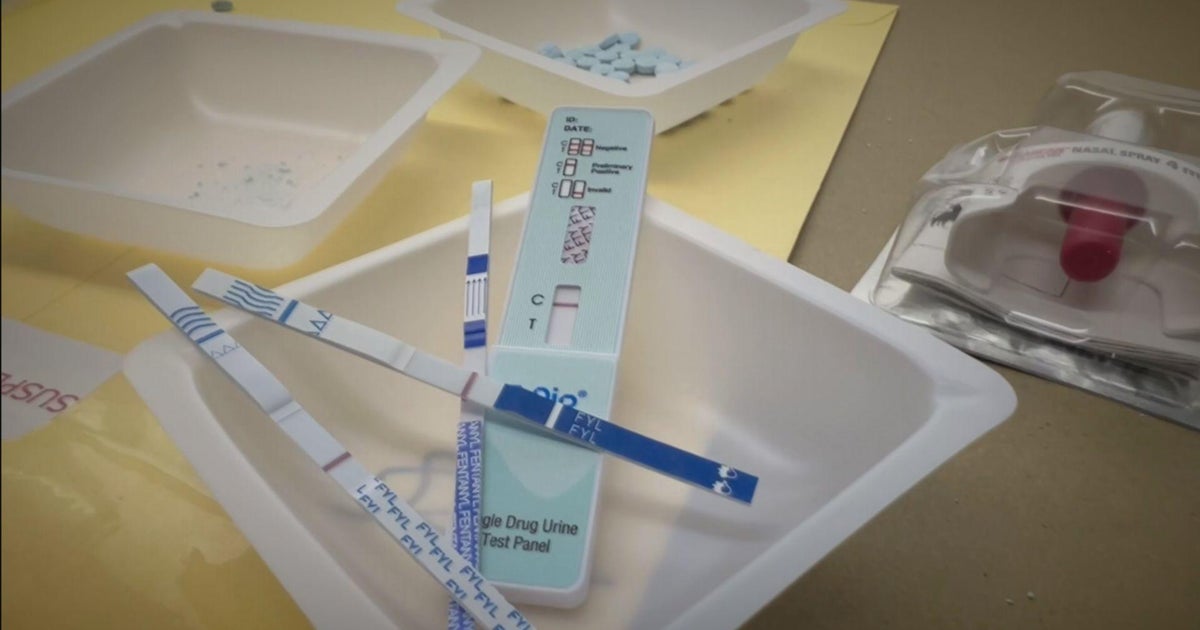
The Trump administration has officially ended federal funding for fentanyl test strips, a decision that has left public health experts baffled and concerned about the potential consequences for overdose prevention efforts across the United States.
What Are Fentanyl Test Strips?
Fentanyl test strips are small, portable tools that allow individuals to detect the presence of fentanyl in drugs before using them. These strips have become critical harm reduction tools in the fight against the ongoing opioid crisis, which continues to claim tens of thousands of American lives each year.
The strips work by detecting even small amounts of fentanyl in various substances, including heroin, cocaine, and counterfeit prescription pills. When used correctly, they can help individuals make more informed decisions about their drug use and potentially avoid fatal overdoses.
The Trump Administration’s Decision
The decision to terminate funding for these harm reduction tools represents a significant shift in federal approach to addressing the opioid epidemic. According to reports from CBS News, the administration has moved to cut off resources that have been instrumental in preventing overdose deaths across the nation.
This policy change comes at a particularly troubling time, as fentanyl remains the primary driver of drug overdose deaths in the United States. The synthetic opioid is often mixed with other substances without users’ knowledge, making test strips a potentially life-saving resource for those at risk.
Public Health Groups React
Public health organizations have responded with strong criticism and disbelief at the decision. Many experts have expressed confusion about the rationale behind cutting funding for a proven harm reduction tool.
"It doesn’t make sense," said representatives from multiple public health organizations. This sentiment has been echoed across the medical and advocacy communities, with experts emphasizing that removing access to fentanyl test strips will likely result in more preventable deaths.
Harm reduction advocates argue that these strips save lives by providing users with critical information about what substances they are actually consuming. Rather than enabling drug use, they argue, test strips serve as a bridge to treatment and recovery resources.
The Controversy Surrounding Harm Reduction
The debate over fentanyl test strips reflects a broader controversy in drug policy between harm reduction approaches and abstinence-only strategies. Critics of harm reduction argue that providing tools like test strips may inadvertently encourage drug use or send mixed messages about the dangers of illegal substance abuse.
However, research has consistently shown that harm reduction strategies, including test strip distribution, do not increase drug use rates. Instead, they provide opportunities for engagement with healthcare providers and treatment programs that might not otherwise occur.
Potential Consequences
Public health experts warn that ending federal funding for fentanyl test strips could have devastating consequences:
- Increased overdose deaths among users who are unaware their drugs contain fentanyl
- Reduced access to harm reduction services and resources
- Fewer opportunities for connecting users with treatment and recovery services
- Disruption of successful public health programs that have proven effective
- Increased burden on emergency responders and healthcare systems
Looking Ahead
As the policy change takes effect, public health advocates are calling on state and local governments to fill the gap left by federal funding cuts. Many organizations are working to secure alternative funding sources to continue providing these life-saving tools to communities in need.
The decision highlights the ongoing challenges in addressing America’s complex relationship with opioids and the tension between different approaches to drug policy. What remains clear is that the opioid crisis continues to devastate communities nationwide, and experts stress the need for evidence-based solutions that prioritize saving lives.
For more information about overdose prevention resources and support, individuals are encouraged to contact their local public health departments or harm reduction organizations in their area.

Comments are closed, but trackbacks and pingbacks are open.