

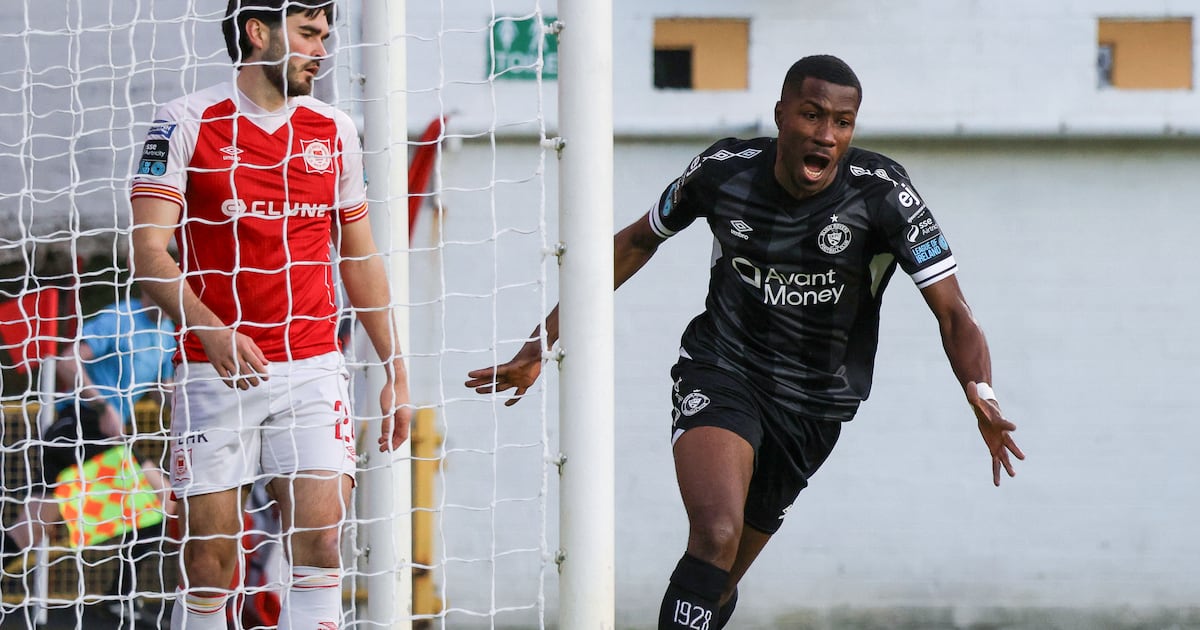
Introduction
The 2023‑24 season has revealed a stark financial divide in the League of Ireland. While most clubs are scrambling to balance budgets, Bohemians appear to be the sole exception, operating with relative stability. This article breaks down the reasons behind the crisis, the impact on clubs, and what it means for Irish football’s future.
The Current Landscape
Across the Premier and First Divisions, clubs are reporting reduced gate receipts, rising operational costs, and limited commercial sponsorship. The pandemic’s aftermath, coupled with higher player wages and a lack of TV revenue, has left many teams operating at a loss.
Key Financial Pressures
- Gate receipts: Attendance numbers have dropped 12% on average since 2021.
- Sponsorship gaps: Small‑to‑mid‑size companies are cutting marketing budgets, leaving clubs without vital cash flow.
- Wage inflation: Competitive player contracts now consume up to 60% of club budgets.
- Infrastructure costs: Required stadium upgrades for UEFA licensing add unexpected expenses.
Why Bohemians Are Different
Bohemians have managed to stay afloat thanks to a combination of strategic planning and diversified income streams.
Revenue Diversification
- Commercial partnerships: Long‑term deals with national brands provide a steady cash flow.
- Match‑day experience: Investment in hospitality suites and fan zones has boosted per‑capita spend.
- Academy model: A focus on developing home‑grown talent reduces reliance on expensive transfers.
Cost Management
- Strict salary caps for non‑first‑team players.
- Shared services with local community groups to cut facility expenses.
Impact on Other Clubs
Clubs such as Derry City, Shelbourne, and St Patricks Athletic are forced to make tough decisions:
- Reducing squad size or offering short‑term contracts.
- Delaying stadium renovation projects.
- Increasing reliance on youth players, which can affect on‑field performance.
Potential Long‑Term Consequences
- Reduced competitiveness in European qualifiers.
- Lower league attractiveness for broadcasters, creating a vicious cycle.
- Risk of clubs withdrawing or merging, threatening the league’s stability.
What Can Be Done?
Addressing the financial crunch requires coordinated action from clubs, the FAI, and government bodies.
Suggested Solutions
- Centralised TV rights: Pooling broadcasting revenue could provide a fairer distribution.
- Tax incentives for sponsors: Encourage local businesses to invest in football.
- Infrastructure grants: Government‑backed funding for stadium upgrades.
- Revenue‑sharing models: Larger clubs could allocate a percentage of gate receipts to smaller teams.
Conclusion
The League of Ireland’s financial health is at a crossroads. While Bohemians demonstrate that sustainable models are possible, most clubs face a precarious future without collective reform. Stakeholders must act quickly to preserve the league’s heritage and ensure a competitive, vibrant future for Irish football.

Comments are closed, but trackbacks and pingbacks are open.