

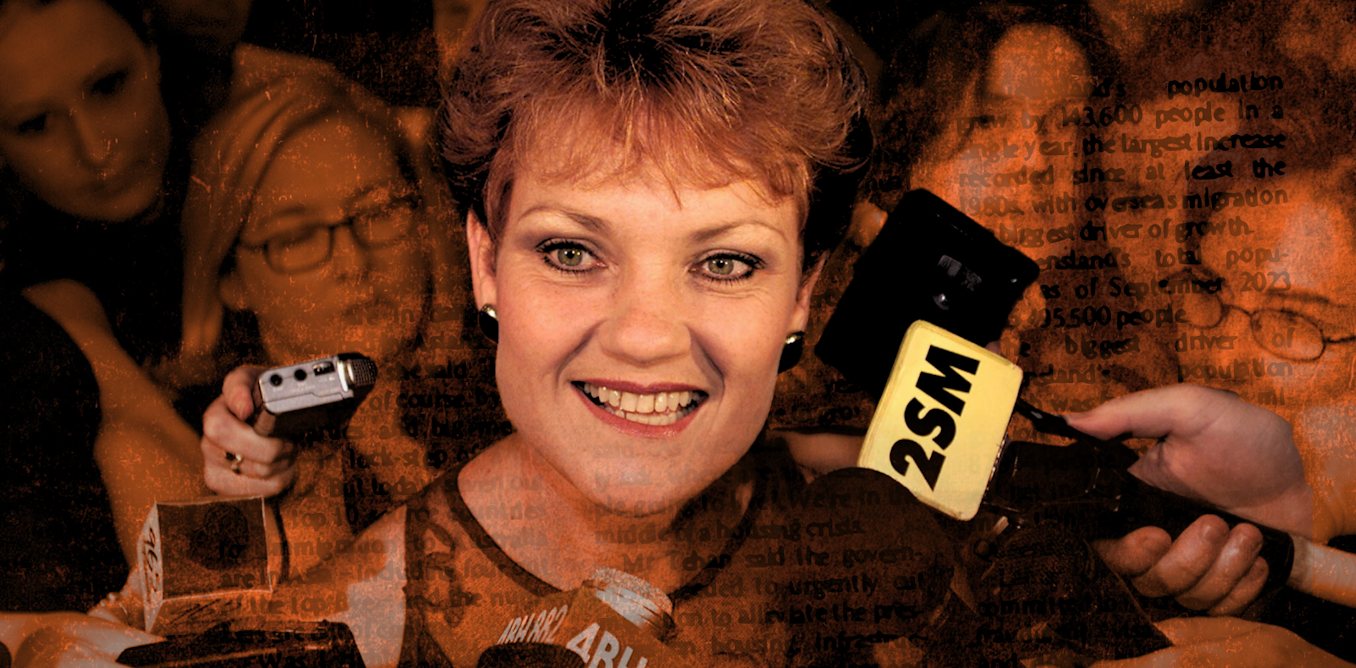
The rise of One Nation in Australian politics is one of the most fascinating stories of the modern era. What began as a controversial protest party has evolved into a digital powerhouse, fueled by a changing media landscape and the invisible hand of social media algorithms.
Understanding how One Nation operates today requires looking beyond traditional campaigning. It’s about understanding the ecosystem of attention.
The Media Foundation: Building the Brand
Long before Facebook ads and targeted outreach, One Nation was a creation of the mainstream media. The party’s founder, Pauline Hanson, understood the power of the soundbite and the controversy cycle.
Every headline, every news segment, and every debate appearance served as free advertising. The traditional media built the initial framework of the party, establishing its core identity and introducing its rhetoric to households across the nation.
The Shift from Traditional to Digital
While traditional media provided the stage, it was often unpredictable. To gain control, the party had to pivot. This shift marked the beginning of a new era for One Nation, moving from being a subject of news to becoming a publisher of news.
- Direct Communication: Bypassing journalists to speak straight to the voter.
- Controlled Narrative: Ensuring the message isn’t diluted by editorial oversight.
- Cost Efficiency: Reducing reliance on expensive TV spots for cheaper digital reach.
Supercharged by Algorithms: The Digital Engine
If the media built the house, algorithms provided the electricity. Social media platforms like Facebook, YouTube, and TikTok use engagement-based algorithms that prioritize content causing strong emotional reactions.
One Nation’s content strategy aligns perfectly with these technical requirements. Their posts often generate high volumes of comments, shares, and reactions, signaling the algorithm to push the content to even more users.
How the Algorithm Favors Disruption
Algorithms do not judge content based on political merit; they judge based on retention and interaction. Content that triggers anger or validates a user’s existing bias tends to perform best.
This creates a feedback loop. The more One Nation posts polarizing content, the more the algorithm promotes it, leading to higher visibility and further engagement.
The Strategy Behind the Screen
It isn’t just luck. There is a calculated strategy behind the digital dominance of the party. They utilize data analytics to understand what their audience wants to see and when they want to see it.
By analyzing trends and user behavior, the party can deploy resources to specific electorates or demographics, maximizing their impact during critical election periods.
Key Tactics Used Today
Here are the specific methods used to leverage technology for political gain:
- Micro-Targeting: Using data to show specific ads to very small, specific groups of voters.
- Video Content: Prioritizing short, punchy videos that are easily consumed on mobile devices.
- Community Engagement: Actively managing comment sections to foster a sense of belonging among supporters.
The Impact on Australian Politics
The combination of media heritage and algorithmic boost has changed the political landscape. One Nation is no longer just a fringe voice; it is a significant player that major parties must strategize around.
This evolution demonstrates a broader trend in global politics where digital savvy can outweigh traditional political funding. The ability to capture attention online translates directly into votes at the ballot box.
Conclusion
One Nation’s journey from a media sensation to an algorithmic force shows the power of adaptation. By harnessing the tools of the modern web, they have secured a place in the political conversation that is difficult to ignore.
As we look toward future elections, the relationship between politics, media, and technology will only grow stronger. Understanding this dynamic is crucial for anyone watching the future of democracy in Australia.

Comments are closed, but trackbacks and pingbacks are open.