

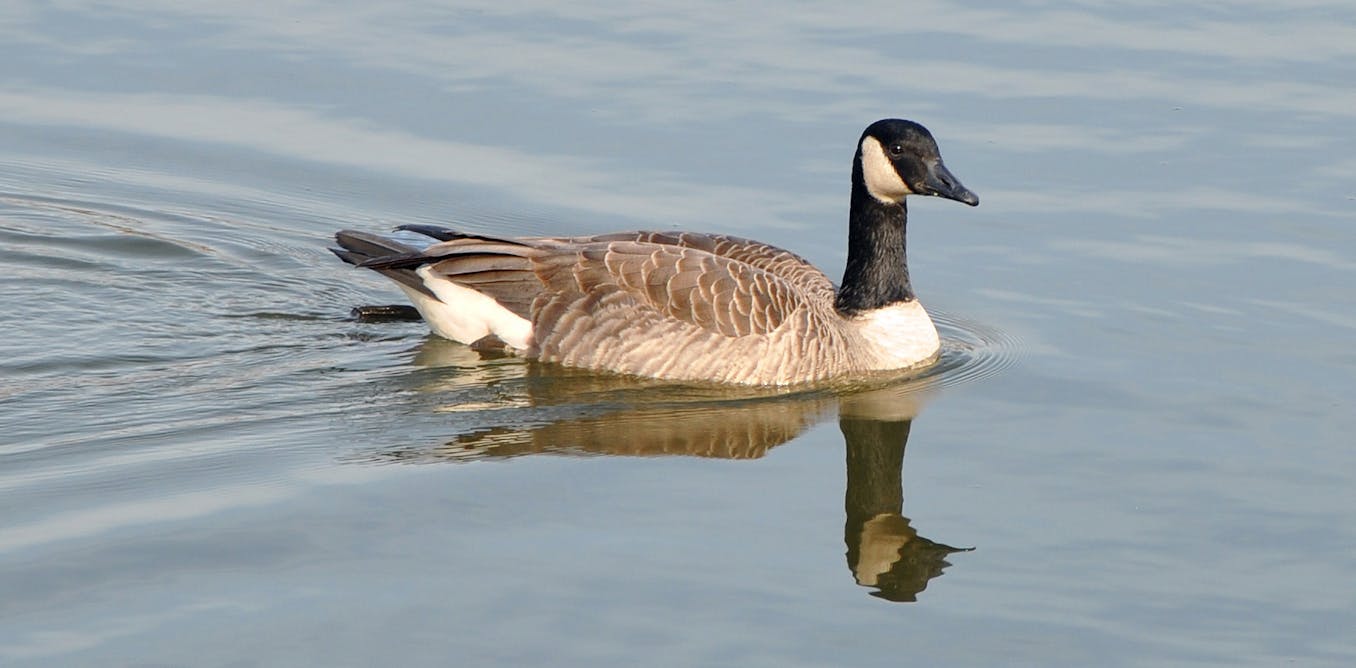
Canada geese are a familiar sight across parks, farmlands, and suburban neighborhoods — but their droppings are far more than a messy nuisance. A single adult goose produces up to 2 pounds of poop daily, adding up to millions of pounds of waste that clogs storm drains, contaminates waterways, and costs cities millions of dollars to clean up each year. Now, researchers have found a game-changing solution: turning that waste into high-quality chicken feed and organic crop fertilizer.
Why Canada Goose Poop Is a Hidden Waste Crisis
Over the past few decades, Canada goose populations have rebounded sharply, with an estimated 5 million birds now living in North America. Their droppings carry harmful bacteria like E. coli and salmonella, and excess nitrogen from poop runoff fuels toxic algae blooms in lakes and ponds.
Traditional waste management for goose poop involves hauling it to landfills, which takes up space and produces methane emissions. For farmers and property owners, it’s a costly, never-ending chore with no upside — until now.
How the Recycling Process Works
The new method turns a public nuisance into two valuable farm inputs, with strict safety protocols to eliminate health risks. Here’s the step-by-step breakdown:
1. Safe Collection and Sanitization
First, goose poop is collected from areas free of chemical contaminants (such as roadsides with oil runoff or industrial sites). Debris like grass, twigs, and plastic is screened out, then the waste is heat-treated at high temperatures to kill all pathogens, including bacteria, viruses, and parasites.
2. Processing for Chicken Feed
Once sanitized, the waste is dried to reduce moisture content, then ground into a fine meal. It has a protein content of 25-30%, making it a cost-effective substitute for soy or fish meal in standard poultry feed blends. Farmers can replace up to 15% of their regular feed with processed goose poop meal without affecting chicken health or egg quality.
3. Composting for Crop Fertilizer
For fertilizer use, the sanitized goose poop is mixed with carbon-rich materials like wood chips, straw, or dried leaves to create a balanced compost pile. The waste’s high nitrogen content speeds up the composting process, producing a nutrient-dense organic fertilizer rich in nitrogen, phosphorus, and potassium — the three key nutrients crops need to thrive.
Top Benefits for Farmers and Local Communities
This recycling method delivers wins for everyone, from small-scale gardeners to large commercial farms:
- Cuts waste management costs for cities, golf courses, and property owners by repurposing poop instead of paying for landfill hauling
- Reduces farm input costs by replacing expensive synthetic fertilizers and imported feed ingredients
- Lowers carbon footprints by using local waste instead of shipping feed and fertilizer across long distances
- Produces certified organic inputs for farms pursuing sustainable or regenerative agriculture certifications
- Reduces water contamination by keeping untreated goose poop out of storm drains and waterways
Is Recycled Goose Poop Safe?
Safety is the top priority for this process. Every batch of feed and fertilizer is tested for heavy metals, residual pathogens, and chemical contaminants before being sold to farmers. Studies show chickens fed the processed meal produce eggs and meat that meet all federal safety standards, and crops grown with the compost have no detectable contaminants.
Home gardeners should note: only use commercially processed goose poop products for chicken feed. Never feed fresh or unprocessed goose poop to poultry, as it carries high risks of bacterial infection.
Can Small Farms and Gardeners Use This Method?
Commercial-scale processing is required to make goose poop safe for chicken feed. However, small-scale composting of goose poop is safe for home gardeners to try. Follow standard hot composting guidelines (maintain pile temperatures of 130°F to 150°F for at least 3 days) to kill pathogens, then use the finished compost on vegetable gardens, flower beds, or fruit trees.
Final Thoughts
Turning Canada goose poop into chicken feed and crop fertilizer is a rare win-win for waste management and sustainable agriculture. It cuts costs, reduces pollution, and creates valuable resources from a material that was once nothing but a headache. As more communities adopt this method, we’ll see cleaner public spaces, healthier farms, and a more circular food system for everyone.

Comments are closed, but trackbacks and pingbacks are open.