
Characteristics and Dynamics of Malaria Vectors Around Soum Dam in Nanoro Health District, Burkina Faso

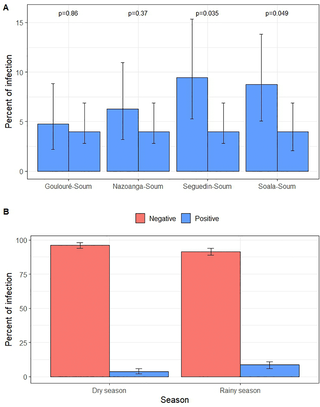
Malaria remains one of Burkina Faso’s deadliest public health challenges, with over 12 million cases reported nationally in 2023. In Nanoro Health District, transmission rates sit 30% above the national average — and the Soum Dam, a key water resource for local communities, may be driving spikes in malaria vector populations. New research mapping the characteristics and dynamics of malaria vectors around the Soum Dam in Nanoro Health District, Burkina Faso is shedding light on how water infrastructure shapes disease risk.
Why the Soum Dam Is a Vector Hotspot
Dams create ideal breeding conditions for Anopheles mosquitoes, the only insects that transmit malaria to humans. The Soum Dam supplies irrigation water for local farms and drinking water for nearby villages, but its associated water bodies — from irrigation canals to seasonal runoff pools — provide year-round breeding sites for malaria vectors.
Nanoro Health District already records high year-round transmission, but areas within 5km of the Soum Dam see 40% more confirmed malaria cases than farther communities. Studying vector behavior here is critical to closing that gap.
Core Characteristics of Malaria Vectors Near Soum Dam
Dominant Species and Resistance Profiles
Three Anopheles species make up 98% of malaria vectors captured in surveys around the Soum Dam:
- Anopheles gambiae: The primary vector, accounting for 65% of captures. It shows high resistance to pyrethroid insecticides, the most common chemical used on bed nets and for indoor spraying.
- Anopheles funestus: Accounts for 25% of vectors, with growing resistance to carbamate insecticides detected in 2024 surveys.
- Anopheles arabiensis: Makes up the remaining 10%, preferring outdoor breeding sites and showing lower insecticide resistance than other species.
Breeding Habitat Preferences
Vector surveys link 70% of Anopheles breeding sites to dam-related water bodies, including:
- Temporary pools formed by dam runoff during rainy season
- Slow-flowing irrigation canals connected to the dam
- Permanent stagnant pools near dam embankments
- Agricultural puddles flooded by dam irrigation systems
Wet season (June to September) sees 3x more active breeding sites than the dry season, but permanent dam-linked water bodies sustain small vector populations year-round.
Population Dynamics: How Vector Numbers Shift
Seasonal Fluctuations
Vector density peaks sharply during the wet season, with adult mosquito captures 5x higher in August than in January. Malaria case numbers in Nanoro Health District spike 8–10 weeks after peak vector density, as infected mosquitoes spread the parasite to humans.
Dry season (December to February) sees minimal breeding activity, but 15% of surveyed permanent water bodies near the dam still host Anopheles larvae, keeping low-level transmission risk alive.
Impact of Dam Operations
Dam water release cycles directly influence vector populations. When the Soum Dam releases excess water during heavy rains, temporary breeding pools form across surrounding farmland, driving a 20% spike in vector numbers within 2 weeks. When water is held for irrigation, larger stagnant areas near the dam embankment expand, creating more stable breeding habitats for Anopheles funestus.
What This Means for Malaria Control in Nanoro
Targeted Intervention Strategies
Findings from vector characterization studies support three high-impact control measures for communities near the Soum Dam:
- Year-round larval source management, including clearing temporary pools and applying larvicides to permanent dam-linked water bodies
- Indoor residual spraying (IRS) timed 6 weeks before the wet season peak, using insecticide formulations effective against locally resistant Anopheles strains
- Targeted distribution of long-lasting insecticidal nets (LLINs) to households within 5km of the dam, with regular replacement cycles to account for pyrethroid resistance
Critical Surveillance Gaps
Current monitoring only covers 60% of dam-linked breeding sites. Closing this gap requires:
- Monthly vector surveys across all water bodies within 10km of the Soum Dam
- Quarterly insecticide resistance testing to update control protocols quickly
- Community-led reporting systems to flag new breeding sites near villages
Conclusion
Understanding the unique characteristics and population dynamics of malaria vectors around the Soum Dam is not just an academic exercise — it is a lifeline for communities in Nanoro Health District. Tailoring control programs to the specific species, resistance profiles, and breeding patterns linked to the dam can cut transmission rates, reduce the burden on local clinics, and save thousands of lives each year.
As Burkina Faso works toward its 2030 malaria elimination goal, research like this proves that no public health intervention is one-size-fits-all. Local data on vector behavior must drive local solutions.

Comments are closed, but trackbacks and pingbacks are open.