

Introduction
lung adenocarcinoma (LUAD) remains the leading cause of cancer‑related death worldwide. While driver mutations such as EGFR and KRAS dominate the conversation, metabolic regulators are emerging as powerful modulators of tumor growth. One such factor, the carbohydrate‑responsive element‑binding protein (ChREBP), has long been studied in liver and adipose tissue, but its relevance in lung cancer is only beginning to surface. This article breaks down the latest findings on ChREBP expression in LUAD, maps its regulatory network, and highlights potential functional consequences that could translate into new therapeutic angles.
What Is ChREBP?
ChREBP (encoded by MLXIPL) is a basic‑helix‑loop‑helix leucine zipper transcription factor that senses intracellular glucose metabolites. Upon activation, it translocates to the nucleus and drives the expression of genes involved in glycolysis, lipogenesis, and the pentose‑phosphate pathway.
Key Functions in Normal Cells
- Regulates fructose‑2,6‑bisphosphate production, enhancing glycolytic flux.
- Induces de novo fatty‑acid synthesis enzymes (ACC, FAS, SCD1).
- Supports antioxidant defenses via NADPH generation.
ChREBP Expression in Lung Adenocarcinoma
Multiple public datasets (TCGA, GTEx, GEO) consistently show elevated MLXIPL mRNA in LUAD tumors compared with normal lung tissue. Immunohistochemistry from recent cohort studies confirms stronger nuclear ChREBP staining in >60% of patient samples, correlating with higher tumor grade.
Prognostic Significance
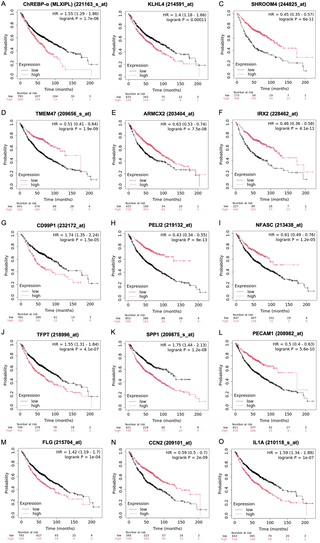
- High ChREBP expression = shorter overall survival (HR≈1.7, p<0.01).
- Stronger predictive value when combined with glycolytic markers such as GLUT1.
Regulatory Networks Around ChREBP in LUAD
Upstream Activators
- Glucose‑6‑phosphate & Xylulose‑5‑phosphate: Direct metabolic ligands that promote ChREBP nuclear entry.
- mTORC1 signaling: Phosphorylates ChREBP at Ser196, enhancing transcriptional activity.
- KRAS^G12D mutation: Increases intracellular glucose flux, indirectly boosting ChREBP activation.
Co‑factors and Partners
ChREBP forms heterodimers with MLX (MAX‑like protein X) to bind carbohydrate‑responsive elements (ChoREs) in target promoters. Recent chromatin‑immunoprecipitation sequencing (ChIP‑seq) data reveal co‑occupancy with HIF‑1α at hypoxia‑responsive genes, linking glucose sensing to the hypoxic tumor microenvironment.
Downstream Targets in LUAD
| Gene | Pathway | Potential Cancer Effect |
|---|---|---|
| ACC (ACACA) | Fatty‑acid synthesis | Provides membrane lipids for proliferating cells |
| SCD1 | Monounsaturated fatty‑acid production | Protects against lipotoxicity, supports cytokine signaling |
| G6PD | Pentose‑phosphate pathway | Generates NADPH for ROS detoxification |
| FASN | De novo lipogenesis | Correlates with invasion and metastasis |
| PDK1 | Glycolysis regulation | Shifts metabolism toward aerobic glycolysis (Warburg effect) |
Functional Impact on Tumor Biology
Collectively, these downstream programs create a metabolic niche that fuels rapid proliferation, reinforces resistance to oxidative stress, and facilitates membrane remodeling for migration. In vitro knock‑down of ChREBP in LUAD cell lines (A549, H1299) leads to:
- ~40% reduction in lipid droplet accumulation.
- Decreased lactate production and ATP generation.
- Increased sensitivity to ROS‑inducing agents (e.g., cisplatin).
In mouse xenograft models, stable ChREBP silencing delays tumor growth by ~50% and reduces metastatic nodules in the lungs.
Therapeutic Opportunities
- Direct Inhibitors: Small‑molecule screens have identified compounds (e.g., 2‑hydroxycinnamic acid analogs) that block ChREBP DNA binding.
- Metabolic Synergy: Combining ChREBP inhibition with glycolysis blockers (2‑DG) or fatty‑acid synthase inhibitors (TVB‑2640) produces synergistic cytotoxicity.
- Biomarker‑Guided Trials: Patients with high ChREBP/GLUT1 expression could be stratified for metabolic‑targeted therapies.
Future Research Directions
While evidence points to a pro‑tumorigenic role, unanswered questions remain:
- Does ChREBP influence immune‑cell infiltration via lipid‑mediated signaling?
- Can circulating microRNAs that target MLXIPL serve as non‑invasive biomarkers?
- What is the interplay between ChREBP and KRAS‑driven transcriptional programs?
Conclusion
ChREBP emerges as a metabolic hub that links glucose availability to lipid synthesis, redox balance, and aggressive phenotypes in lung adenocarcinoma. Its elevated expression, clear prognostic value, and druggable network make it a compelling candidate for next‑generation metabolic therapies. Continued integration of genomic, proteomic, and functional studies will determine whether targeting ChREBP can finally tip the balance in favor of patients battling LUAD.

Comments are closed, but trackbacks and pingbacks are open.