

Understanding the Legal Landscape for NHS Providers
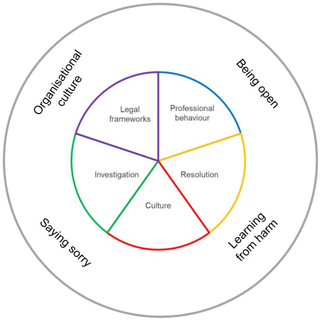
The National Health Service (NHS) in England operates within a complex framework of laws, regulations, and policies designed to protect patients and support healthcare providers when harm occurs during treatment. This scoping review examines the key mechanisms that enable providers to respond appropriately to patient safety incidents.
When patients experience harm during their care, NHS providers must navigate a multifaceted system that balances accountability, learning, and continuous improvement. The legal and policy framework in England provides clear guidance on how this should be achieved.
Statutory Duties and Legal Framework
English law establishes several statutory duties that NHS providers must fulfill when responding to patient harm. These include:
- Health and Social Care Act 2008: Requires registered care providers to have systems in place for identifying, reporting, and learning from safety incidents.
- Care Quality Commission (CQC) Regulations: Providers must notify the CQC of certain incidents, including serious injuries, unexpected deaths, and allegations of abuse.
- Common Law Duty of Care: Healthcare professionals owe a fiduciary duty to patients, requiring reasonable skill and care in treatment delivery.
The NHS Constitution further reinforces these obligations by establishing principles of transparency, accountability, and patient involvement in the healthcare system.
The Duty of Candour: A Cornerstone of Patient Safety
One of the most significant policy developments in recent years is the statutory duty of candour, introduced under the Health and Social Care Act 2008 (Regulated Activities) Regulations 2014. This requires:
- Open and honest communication with patients when things go wrong
- Apologising for any harm caused
- Providing clear explanations of what happened and what will be done to address it
- Recording these discussions appropriately
Healthcare providers must notify patients (or their representatives) as soon as reasonably practicable after becoming aware that a safety incident has occurred. This represents a fundamental shift towards a more transparent NHS culture.
NHS Resolution and Clinical Negligence
NHS Resolution, formerly known as the NHS Litigation Authority, plays a crucial role in supporting providers. It manages:
- Clinical negligence claims against NHS trusts
- The Being Open framework, which encourages honest discussions with patients
- Learning from claims to improve patient safety across the NHS
- Resolution strategies that focus on early intervention and settlement where appropriate
The organisation also operates the NIHR (National Incident Reporting) system and provides guidance on managing incidents effectively.
Incident Reporting and Learning Systems
England has developed robust systems for reporting and learning from patient safety incidents:
National Reporting and Learning System (NRLS)
The NRLS collects incident reports from NHS organisations across England. This data is analysed to identify trends, patterns, and emerging safety concerns that require national action.
Patient Safety Incident Response Framework (PSIRF)
The PSIRF, introduced by NHS England, replaces the previous Serious Incident Framework. It emphasises:
- Compassionate engagement with those affected
- Systems-based approaches to understanding why incidents occur
- proportionate responses to incidents
- Continuous learning and improvement
Regulatory Support and Oversight
Several regulatory bodies support providers in responding to patient harm:
- Care Quality Commission (CC): Monitors, inspects, and regulates health and social care services, including how providers handle complaints and incidents.
- NHS England: Provides guidance, frameworks, and support for patient safety improvement.
- Professional Regulators: Bodies such as the GMC, NMC, and GPhC set standards for healthcare professionals and handle concerns about individual practice.
Complaints and Redress Mechanisms
The NHS Complaints Procedure, established under the NHS Act 2006 and the Local Authority Social Services and NHS Complaints Regulations 2009, provides a formal mechanism for patients to raise concerns. Providers must:
- Acknowledge complaints within three working days
- Provide a full response within agreed timescales
- Offer the opportunity to discuss the complaint with a designated complaints manager
- Ensure patients have access to independent advocacy services
Additionally, the Ombudsman service (Parliamentary and Health Service Ombudsman) provides an independent review mechanism for unresolved complaints.
Support for Staff and Organisational Culture
Recognising that responding to patient harm affects healthcare staff, the policy framework includes provisions for staff support:
- Freedom to Speak Up policies that protect staff who raise concerns
- Access to occupational health and psychological support services
- Training in incident investigation and human factors
- Just Culture guidance to ensure fair treatment of staff involved in incidents
Key Findings from the Scoping Review
This scoping review reveals that NHS providers in England operate within a comprehensive legal and policy framework that supports effective responses to patient harm. The key elements include:
- Legal obligations: Clear statutory duties under health and social care legislation.
- Cultural shift: Movement towards openness, learning, and transparency rather than blame.
- Systematic approaches: Structured frameworks for incident reporting, investigation, and learning.
- Support mechanisms: Resources for both patients and staff affected by safety incidents.
- Regulatory oversight: Independent monitoring to ensure providers meet their obligations.
Conclusion
The legal and policy framework in England provides robust support for NHS healthcare providers responding to patient harm. Through statutory duties, regulatory oversight, and comprehensive incident management systems, the NHS aims to create a culture of openness, learning, and continuous improvement.
While challenges remain in implementation, the framework represents a significant advancement in how the NHS approaches patient safety. The focus on duty of candour, proportionate incident response, and systemic learning offers a positive direction for protecting patients and supporting staff when things go wrong.
For healthcare providers, understanding and effectively implementing these legal and policy requirements is essential for delivering safe, high-quality care and maintaining public trust in the NHS.

Comments are closed, but trackbacks and pingbacks are open.