

Maternal Anemia in Helminth-Infected Pregnant Women: Hookworm Intensity Dose-Response Findings from Ugandan Cross-Sectional Study
Maternal anemia remains one of the most persistent public health challenges for pregnant women in sub-Saharan Africa, raising risks of preterm birth, low infant birth weight, and maternal mortality. A new cross-sectional study conducted in Uganda sheds fresh light on how hookworm infections, a common helminth threat, drive anemia severity in infected pregnant women.
The research, focused on helminth-infected pregnant women across Ugandan health facilities, set out to map the dose-response relationship between hookworm intensity and maternal anemia, while identifying additional modifiable risk factors. Below, we break down its key findings and what they mean for maternal health programs.
What the Study Examined
Researchers conducted a cross-sectional analysis (a type of observational study that collects data from a population at a single point in time) of pregnant women confirmed to have helminth infections, including hookworm, roundworm, and whipworm. They measured two core metrics:
- Hookworm intensity, categorized as light, moderate, or heavy infection based on fecal egg counts
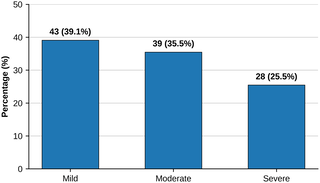
- Maternal hemoglobin levels, used to diagnose anemia severity (mild, moderate, severe)
The team also collected data on demographic, dietary, and antenatal care factors to isolate additional risk drivers for anemia.
Core Finding: Clear Dose-Response Link Between Hookworm Intensity and Anemia
The study’s most striking result was a linear dose-response relationship between hookworm burden and anemia severity. As hookworm intensity increased, pregnant women were far more likely to have lower hemoglobin levels and moderate-to-severe anemia.
Key patterns observed:
- Women with light hookworm infections had the lowest prevalence of severe anemia
- Moderate hookworm infections were associated with a 2x higher risk of moderate anemia compared to light infections
- Heavy hookworm infections correlated with a 4x higher risk of severe anemia, even when adjusting for other factors
While other helminth infections contributed to anemia risk, hookworm intensity was the strongest predictor of hemoglobin decline in the study population.
Additional Risk Factors for Maternal Anemia
Beyond hookworm intensity, the study identified several other factors that raised anemia risk for helminth-infected pregnant women:
- Advanced gestational age (third-trimester women faced higher risk than first-trimester participants)
- Low dietary iron intake, including infrequent consumption of iron-rich foods like red meat or fortified grains
- Fewer than four antenatal care visits, linked to missed iron supplementation and helminth screening
- Co-infection with multiple helminth species, which amplified nutrient depletion
- Low household socioeconomic status, tied to limited access to nutritious food and healthcare
Why These Findings Matter for Uganda and Endemic Regions
Uganda has one of the highest rates of hookworm infection in sub-Saharan Africa, with an estimated 30% of pregnant women affected by helminth infections annually. Maternal anemia affects up to 40% of pregnant women in the country, contributing to 20% of maternal deaths tied to pregnancy complications.
This study confirms that targeted deworming of pregnant women with moderate-to-heavy hookworm infections, paired with routine iron supplementation, could drastically reduce anemia rates. It also supports expanding routine helminth screening as part of standard antenatal care in endemic areas.
Study Limitations to Note
As a cross-sectional study, the research can only show associations, not prove that hookworm infections directly cause anemia (longitudinal studies are needed for causal confirmation). It also did not track pregnancy outcomes, so future research should link hookworm intensity to preterm birth and infant health metrics.
Conclusion
For policymakers and maternal health practitioners in Uganda and similar settings, this study offers clear, actionable insights: prioritizing integrated care that combines helminth screening, dose-appropriate deworming, and iron supplementation for pregnant women can save lives. Addressing hookworm intensity is not just a parasitic disease intervention, but a core strategy to reduce maternal and infant mortality.
Want to learn more about maternal health interventions in sub-Saharan Africa? Subscribe to our newsletter for the latest research updates and program insights.

Comments are closed, but trackbacks and pingbacks are open.