

For half a century, the United States has leaned on economic coercion as its preferred tool to shape foreign policy outcomes — from Cuba to North Korea, and most prominently, Iran. By weaponizing trade, financial systems, and sanctions, Washington has long forced adversarial states to bend to its demands without firing a shot, even as periodic ‘shadow war’ clashes with Iran have tested the limits of this approach.
But the decades-long standoff with Iran tells a different story. Even as the US ratcheted up its ‘maximum pressure’ campaign, and despite periodic military escalations, Tehran has held its ground, and America’s once-feared economic leverage has faded sharply. Here’s how the Iran case reveals the decline of US coercive power.
What Is US Economic Coercion?
Economic coercion refers to the use of non-military economic tools — including unilateral sanctions, trade bans, asset freezes, and restrictions on access to global financial systems — to force a target country to change its policies. For the US, this has been a low-risk alternative to war, with the added benefit of broad global compliance thanks to America’s post-Cold War economic dominance.
Nowhere is this strategy more prominent than in Iran. Since the 1979 Islamic Revolution, the US has imposed wave after wave of sanctions on Tehran, targeting its oil exports, banking sector, and military. The 2015 Joint Comprehensive Plan of Action (JCPOA) briefly eased these measures, but the US withdrawal from the deal in 2018 marked the start of the harshest coercive campaign yet.
The Iran Case: Decades of Coercion, Diminishing Returns
The Peak of US Coercive Power
In 2018, when the Trump administration reimposed sweeping sanctions on Iran, the US still held near-total sway over global economic flows. Washington’s threat of secondary sanctions — punishing third countries that traded with Iran — worked: Iran’s oil exports plummeted from 2.5 million barrels per day to under 200,000 by 2020.
At the time, experts warned Iran’s economy would collapse, forcing Tehran to capitulate to US demands on its nuclear program, missile development, and regional activity. That outcome never materialized.
Cracks in the Coercive Armor
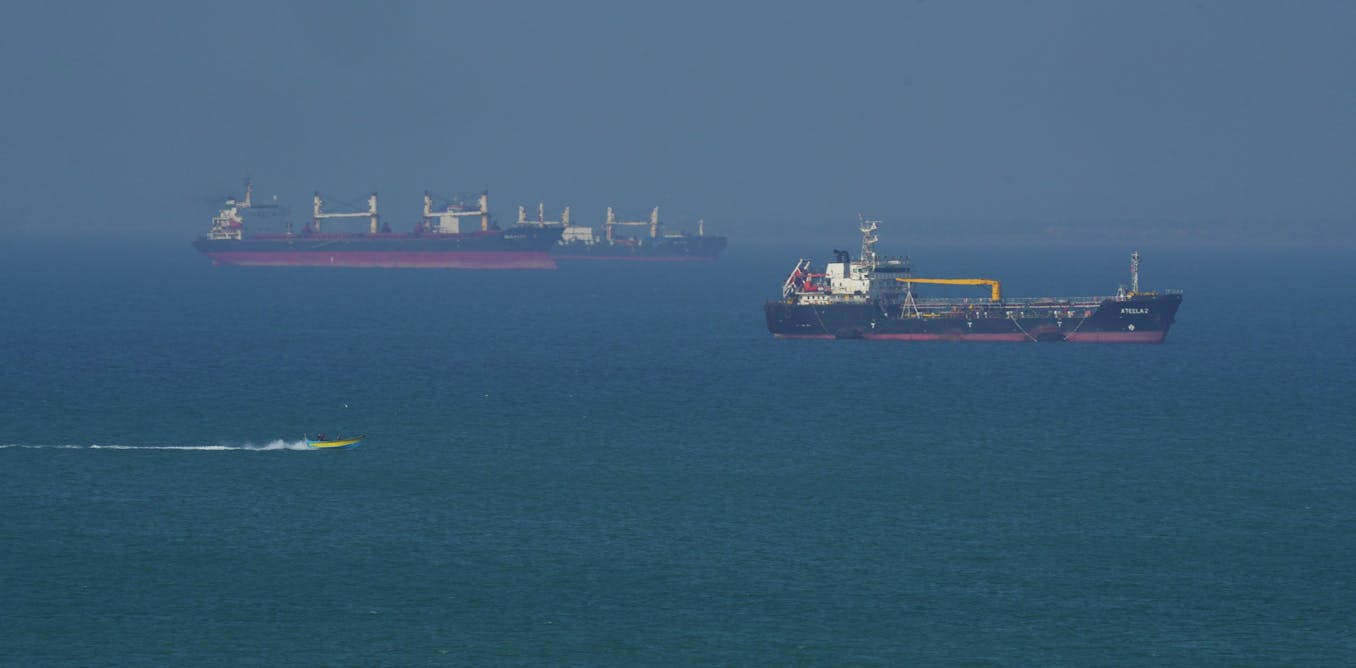
Today, Iran’s oil exports have rebounded to over 1.5 million barrels per day, largely thanks to buyers in China, India, and Turkey that ignore US sanctions. Shadow fleets of unregistered tankers, barter trade deals, and alternative payment systems have allowed Tehran to bypass US controls entirely.
More tellingly, US allies in Europe and Asia have grown reluctant to enforce American sanctions, fearing damage to their own trade ties with Iran and other non-Western economies. The era of automatic global compliance with US coercive demands is over.
Why US Economic Coercion Is Losing Impact
Several structural shifts have eroded America’s coercive leverage:
- Multipolar global trade: The US no longer dominates global commerce. China is now the top trading partner for more than 120 countries, making many governments unwilling to sacrifice their own economic interests to follow US sanctions.
- Alternative financial infrastructure: Systems like China’s CIPS, Russia’s SPFS, and Europe’s INSTEX let countries trade with Iran without using SWIFT, the Belgium-based system the US uses to enforce financial sanctions.
- Target adaptive strategies: Iran has built informal trade networks, expanded cryptocurrency use, and deepened ties with the BRICS bloc to offset US pressure. Coercion often forces targets to innovate workarounds rather than capitulate.
- Eroding US credibility: Unilateral withdrawals from deals like the JCPOA, inconsistent foreign policy shifts between administrations, and overreliance on sanctions have made allies and adversaries alike less willing to trust US coercive threats.
What This Means for US Foreign Policy
The Iran example proves that economic coercion is no longer a silver bullet for US foreign policy. As global power shifts away from unipolarity, Washington can no longer rely on unilateral sanctions to achieve its goals without broad multilateral support.
This forces a reckoning: the US must either invest in more diplomatic, multilateral approaches, or risk escalating to riskier military options when coercion fails. Early signs suggest the Biden administration is slowly pivoting toward renewed nuclear talks, but hardliners on both sides remain opposed.
Conclusion
For decades, US economic coercion was the gold standard of non-military foreign policy tools. But the long standoff with Iran shows that this power is fading fast, as a multipolar world makes unilateral pressure harder to enforce.
As geopolitical competition intensifies, Washington will have to adapt its toolkit — or watch its ability to shape global outcomes continue to shrink. What do you think the US should do next to address Iran? Let us know in the comments.

Comments are closed, but trackbacks and pingbacks are open.